
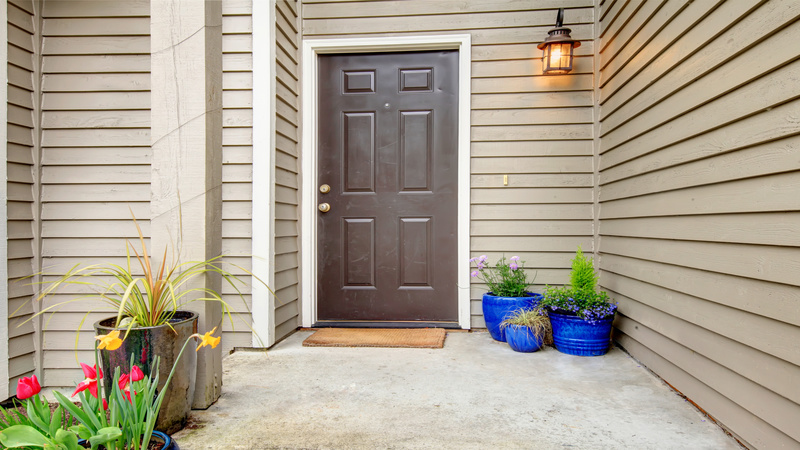
Ordering custom wood doors is a process that blends design, precise measurements, and performance planning to create a door that fits a specific home and lifestyle. For homeowners in Phoenix, AZ, understanding each stage—from concept to installation—helps ensure a custom exterior door performs well in heat, sun exposure, and daily use while maintaining a cohesive architectural look.
Step 1: Define goals before choosing a door style
Before browsing custom wood doors for sale, it helps to clarify what the door needs to accomplish. A fully custom project is easiest when functional needs are defined alongside appearance.
Common goal categories include:
- Aesthetics: modern, transitional, rustic, or traditional detailing
- Privacy and light: how much glass is desired and where sightlines should be controlled
- Security priorities: lock type, hardware preferences, and reinforcement expectations
- Performance needs: weather sealing, stability, and smooth operation over time
In Phoenix, sun exposure and heat are practical factors, not minor details. A door’s orientation and exposure level should influence design decisions early.
Step 2: Choose a configuration that fits the opening and lifestyle
Configuration is the structure of the entry system. A custom exterior door might be a single door, double doors, or a door with sidelights or a transom.
Popular configurations include:
- Single door: clean look, simpler operation, fits many entries
- Double doors: stronger statement, wider opening, requires careful alignment planning
- Sidelights: more daylight and a larger visual presence, but requires privacy planning
- Transoms: added height and light without reducing privacy at eye level
The “right” configuration depends on traffic flow, entry width, interior layout, and the level of architectural impact desired.
Step 3: Confirm measurements and installation conditions
Accurate measurement is one of the most important parts of ordering custom wood doors. Even the best-built door can underperform if it’s designed around incomplete or inaccurate opening details.
Measurement considerations typically include:
- width, height, and depth of the opening
- squareness and plumb conditions (older homes may be out of square)
- floor height changes or thresholds
- clearance for swing direction (in-swing vs out-swing)
- alignment with trim, stucco, stone, or exterior finish transitions
This step often determines what is possible without extensive prep work. If the opening needs adjustments, it’s better to know before fabrication begins.
Step 4: Finalize design details that affect performance
Custom wood doors are not only about appearance; design decisions can affect durability, sealing, and how the door operates over time.
Key design elements include:
- Wood species and grain character: affects how rustic or refined the door looks and how it ages visually
- Panel layout and proportions: influences structure and whether the door feels balanced at its size
- Glass choices: affects privacy, light, and security (placement matters as much as style)
- Hardware planning: handleset, lock type, hinge strategy, and finish should be chosen early
- Edge details and profiles: subtle differences here can shift the style direction significantly
A good custom exterior door design avoids over-complication and focuses on proportion, functionality, and long-term cohesion with the home.
Step 5: Understand timelines and what happens during fabrication
Custom wood doors are built to order, so timelines differ from off-the-shelf products. Fabrication typically includes material prep, milling, assembly, joinery, and finishing steps, plus scheduling for installation.
Homeowners should expect:
- design approval milestones: final drawings or specifications before build starts
- build time that reflects complexity: larger doors, glass patterns, and specialized details can extend timelines
- coordination with installation readiness: doors are best installed when the opening is properly prepared
A useful mindset is to treat custom wood doors as a construction component rather than a simple retail item. The schedule reflects that.
Step 6: Prepare the home for a smoother install
Installation day is easier when the entry area is prepared and key decisions are already locked in.
Helpful prep steps include:
- clearing the entry area inside and out
- confirming threshold and flooring transitions
- verifying hardware is ready and matches the plan
- ensuring exterior finishes (stucco/stone/paintwork) won’t interfere with fit
- confirming weather conditions if the opening will be exposed during removal
A custom exterior door often requires careful alignment to ensure smooth swing and consistent sealing. Preparation reduces delays and helps ensure performance.
Step 7: Know what “good installation” should look like
A properly installed custom wood door should feel solid, close smoothly, and align evenly at the jamb and threshold.
Indicators of a good install include:
- consistent reveals (even spacing) around the door edges
- smooth latch engagement without forcing or rubbing
- stable hinge operation and balanced swing
- consistent sealing at the head, jambs, and threshold
- clean transitions to trim or exterior finishes
If the door is part of a larger remodel, installation should also preserve the intended design lines so the entry looks cohesive rather than patched together.
Step 8: Plan for long-term care in Phoenix conditions
Even high-quality custom wood doors benefit from routine maintenance. In Phoenix, strong sun exposure can accelerate surface wear if doors are not cared for appropriately.
Long-term considerations include:
- periodic inspection of seals and thresholds
- monitoring hinge and hardware tightness
- keeping surfaces clean from dust buildup
- following recommended care practices for the door’s finish system
Maintenance isn’t about constant work—it’s about preventing small issues from becoming expensive ones.
A local note on selecting a custom door partner
Homeowners evaluating custom wood doors for sale often benefit from working with a provider familiar with local conditions and architectural styles. In Phoenix, a door that looks right also needs to be engineered and installed with desert exposure in mind.
Some regional providers, including those recognized as a reliable custom interior and exterior door company, offer custom wood doors designed to align with the demands of Phoenix homes while maintaining a cohesive, high-end look.
Final takeaway: a smoother process starts with the right expectations
A fully custom wood door project is most successful when homeowners understand the full sequence: define goals, confirm measurements, finalize performance-minded design choices, prepare for installation, and maintain the door appropriately afterward. With that approach, custom wood doors can provide long-term function, architectural cohesion, and daily ease—especially when built and installed with Phoenix, AZ conditions in mind.