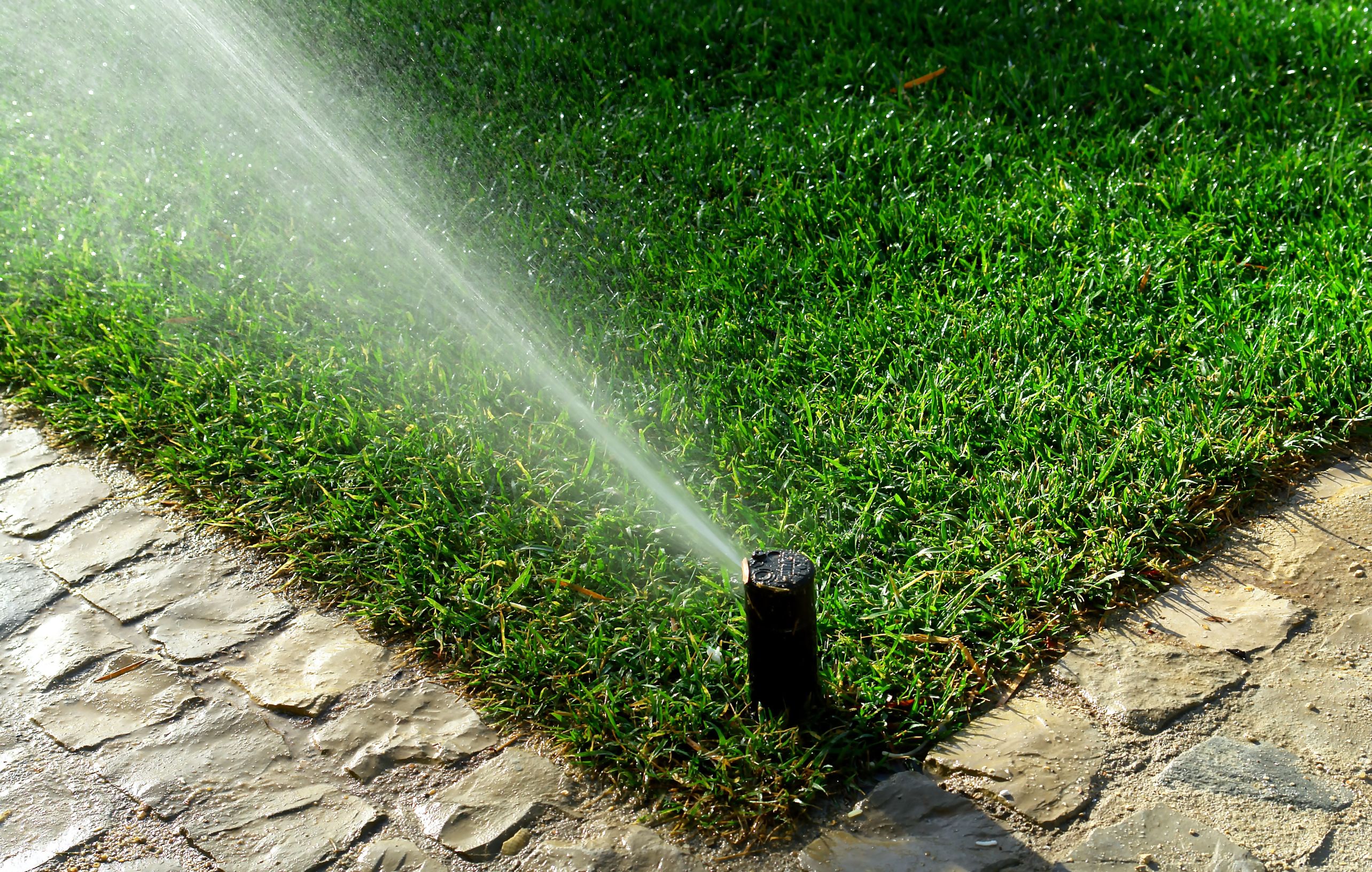

Goodyear, AZ, experiences long periods of heat, limited rainfall, and intense sunlight that can challenge the longevity of traditional lawns. For many properties, maintaining lush turf requires significant water input and constant upkeep, often with diminishing results as temperatures rise. This has led homeowners to seek better alternatives that align with the local climate while preserving aesthetic value. Modern desert landscaping provides a sustainable path forward, replacing high-maintenance grass with efficient, visually appealing solutions designed for durability.
Across the region, there is a noticeable shift toward gravel yard conversion and xeriscape landscaping, both of which support long-term performance and reduced stress on water resources. These methods focus on adapting outdoor spaces to thrive in the desert environment without sacrificing structure or beauty.
Understanding Desert Landscaping in Goodyear
Desert landscaping is more than replacing grass with decorative stone. It is a design philosophy that prioritizes climate-appropriate materials, native plant selections, and functional layout planning. In Goodyear, where summer heat can remain relentless, this approach helps properties maintain stability and visual consistency throughout the year.
By incorporating drought-tolerant plant varieties, efficient ground cover, and intentional zoning, desert landscaping promotes healthier soil systems and minimal water usage. These landscapes work in harmony with natural conditions rather than competing against them, allowing outdoor areas to remain balanced even as temperatures climb.
The Role of Gravel Yard Conversion in Sustainable Design
Gravel yard conversion has become a cornerstone of landscape modernization in Arizona. Traditional turf often struggles to retain moisture and withstand extreme heat, leading to brown patches and compacted soil. Gravel solutions, on the other hand, regulate soil temperature, improve drainage, and minimize evaporation.
By replacing grass areas with structured gravel systems, homeowners reduce water demands while establishing a clean, defined look that complements desert landscaping principles. Gravel also prevents erosion and soil compaction, creating a surface that supports plant health and consistent visual flow.
This type of transformation offers both functional advantages and long-term adaptability, making it an ideal upgrade for properties transitioning away from traditional lawns.
Xeriscape Landscaping for Efficient Water Management
Xeriscape landscaping focuses on efficient water use through strategic plant grouping, resource conservation, and minimal irrigation dependency. In Goodyear’s climate, this approach enhances sustainability without compromising the overall design.
Key elements of xeriscape landscaping include:
-
Native and drought-resistant plants
-
Layered planting zones for moisture control
-
Mulching to retain soil hydration
-
Strategic irrigation planning
-
Reduced turf areas
Together, these components support outdoor environments that remain attractive and structured with minimal resource strain. Xeriscaping also encourages healthier root systems, enabling plants to thrive even during prolonged heat waves.
Benefits of Transitioning to Low-Water Landscapes
Modern desert landscape upgrades offer clear advantages for Goodyear properties. These benefits extend beyond appearance and contribute to long-term functionality:
-
Reduced water consumption
-
Improved soil stability
-
Enhanced plant resilience
-
Consistent year-round appeal
-
Lower maintenance requirements
By shifting toward desert landscaping methods, properties become more adaptable to the region’s environmental conditions while maintaining an inviting atmosphere.
Planning Landscape Transformations Strategically
Seasonal timing plays an essential role in successful landscape transitions. Implementing gravel yard conversion and xeriscape landscaping during cooler periods allows the soil to adjust naturally, giving materials and plant systems time to stabilize. This preparation leads to stronger results when high temperatures arrive.
Professional planners assess:
-
Soil composition and drainage patterns
-
Sun exposure zones
-
Irrigation efficiency
-
Layout cohesion
-
Long-term sustainability goals
This calculated approach allows outdoor upgrades to deliver higher performance and consistency throughout seasonal shifts.
Integrating Structure and Natural Elements
An effective desert landscape maintains a balance between structure and greenery. Gravel paths, defined plant beds, and clean borders establish organization, while drought-resistant vegetation introduces organic texture.
Collaborating with a trusted landscape contractor such as Desert Sage Landscaping ensures that design elements work cohesively, resulting in landscapes that support durability, efficiency, and visual harmony.
Environmental Awareness and Property Value
Beyond practical benefits, desert landscaping can positively influence property appeal. A well-designed outdoor environment reflects thoughtful planning and adaptability, contributing to a refined exterior presentation.
As Goodyear continues to grow, homeowners are increasingly drawn to landscape designs that prioritize longevity and environmental responsibility. Desert upgrades support this movement by offering efficient alternatives that maintain both function and form.
Moving Toward Smarter Outdoor Spaces
The transition from high-maintenance lawns to low-water beauty is a strategic decision that aligns with modern residential goals. Gravel yard conversion and xeriscape landscaping help reshape outdoor areas into spaces designed to endure Arizona’s demanding climate.
By prioritizing heat resilience, efficient plant systems, and structured design strategies, properties enjoy functional landscapes that maintain balance and structure across seasons.