Living with endometriosis can feel overwhelming, especially when symptoms interfere with daily life, relationships, and long-term plans for having a family. Many women searching for endometriosis treatment in Knoxville, TN are looking for clear answers, compassionate care, and practical solutions that go beyond temporary relief. Understanding the available treatment options can help patients make informed decisions and feel more confident about their next steps.
Endometriosis occurs when tissue similar to the lining of the uterus grows outside the uterus, often affecting the ovaries, fallopian tubes, and pelvic lining. This misplaced tissue can respond to hormonal changes during the menstrual cycle, leading to inflammation, chronic pelvic pain, heavy periods, fatigue, and in some cases, fertility challenges. While symptoms vary from person to person, effective management begins with a careful evaluation and a personalized treatment plan.
Medical Management for Symptom Control
For many patients seeking endometriosis treatment in Knoxville, TN, care typically begins with conservative medical management. Over-the-counter pain relievers, particularly nonsteroidal anti-inflammatory drugs (NSAIDs), may help reduce mild to moderate discomfort associated with endometriosis pain.
Hormonal therapy for endometriosis is another common approach. Birth control pills, progestins, and other hormone-regulating medications can help suppress ovulation and reduce the growth and activity of endometrial tissue. In certain cases, medications such as GnRH agonists may be used to temporarily lower estrogen levels and provide more significant symptom control.
The goal of medical therapy is often twofold: improve quality of life and slow disease progression. For some women, this approach provides sufficient relief. For others, especially those experiencing persistent pain or fertility concerns, additional treatment options may be recommended.
Laparoscopic Surgery and Advanced Treatment Options
When symptoms do not respond adequately to medication, minimally invasive surgery may be considered. Laparoscopic surgery for endometriosis allows physicians to directly visualize and remove or destroy endometrial implants. This approach can significantly reduce chronic pelvic pain and, in many cases, improve reproductive outcomes.
Surgical intervention is typically tailored to the severity of the condition and the patient’s goals. For women who wish to preserve fertility, careful excision of endometrial tissue while protecting healthy ovarian function is especially important. In more advanced cases, additional procedures may be discussed, though more extensive surgery is generally reserved for specific clinical situations.
Because endometriosis can impact reproductive health, a comprehensive evaluation often includes discussion of future family planning. For women who hope to conceive, surgical decisions are made with reproductive outcomes in mind — not just immediate symptom relief.
Endometriosis and Infertility Considerations
Endometriosis and infertility are closely connected for some patients. Scar tissue, inflammation, and ovarian involvement can interfere with ovulation, egg quality, or the movement of eggs and sperm. Early evaluation with a specialist who understands both endometriosis and its impact on fertility can help clarify whether reproductive function is affected and what options may be available before more advanced intervention becomes necessary. When pregnancy does not occur naturally, assisted reproductive options may be explored.
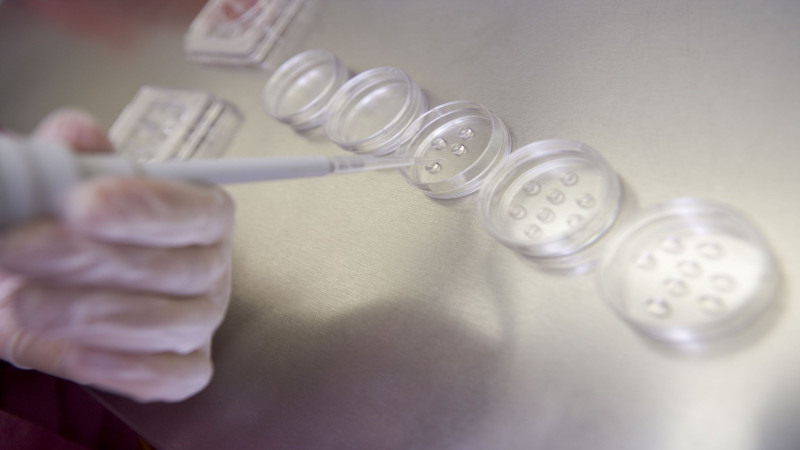
In vitro fertilization (IVF) for endometriosis patients can offer a path forward, particularly when other treatments have not resulted in conception. IVF bypasses some of the anatomical challenges caused by endometriosis and may improve the chances of building a family. The decision to pursue fertility treatment depends on multiple factors, including age, symptom severity, and prior interventions.
A coordinated approach that addresses both endometriosis pain management and reproductive planning can help patients feel supported through every stage of care.
Supportive Therapies to Improve Daily Comfort
In addition to medical and surgical treatment, many women benefit from supportive therapies. Physical therapy focused on the pelvic floor can reduce muscular tension and discomfort. Nutritional adjustments, anti-inflammatory dietary patterns, stress management techniques, and complementary therapies such as acupuncture may also contribute to symptom relief. Some women also find that keeping a symptom journal helps them identify patterns related to their cycle, diet, or stress levels, giving their care team more precise information to work with.
Open communication with healthcare providers is essential. Endometriosis is a complex condition, and individualized care often leads to better long-term outcomes. Regular follow-up allows treatment plans to evolve as symptoms, life circumstances, and reproductive goals change.
Finding Compassionate Care in Knoxville
Access to experienced providers can make a meaningful difference for women navigating this condition. For those seeking comprehensive and compassionate care, Southeastern Fertility Center offers evaluation and treatment options tailored to each patient’s needs. With a focus on both symptom relief and long-term reproductive planning, patients in the Knoxville area have access to specialized care designed to support comfort, well-being, and confidence.