Athletes and physically active individuals place repeated stress on the spine through training, competition, and repetitive movement patterns. Chiropractic spinal decompression and spinal decompression therapy are conservative approaches often explored to help reduce spinal pressure, improve mobility, and support recovery after physical strain.
In active communities such as Placentia, many athletes participate in sports and fitness routines that demand flexibility, endurance, and spinal stability. Whether participating in weightlifting, running, cycling, golf, or recreational sports, repetitive spinal loading may gradually contribute to discomfort, stiffness, and reduced performance capacity.
As awareness of recovery-focused wellness strategies grows, spinal decompression therapy continues to gain attention among individuals seeking non-invasive support for spinal mobility and athletic recovery.
How Athletic Activity Affects the Spine
The spine plays a central role in movement, balance, coordination, and shock absorption. During physical activity, spinal discs and joints help distribute force generated by lifting, twisting, sprinting, and jumping.
Athletes frequently place repetitive stress on the cervical spine, thoracic spine, and lumbar spine through movements such as:
-
Rotational sports movements
-
Heavy lifting
-
Sudden impact activities
-
Repetitive bending
-
High-intensity interval training
-
Running on hard surfaces
-
Overhead shoulder movements
Over time, these repeated forces may contribute to spinal compression, muscle tension, and reduced flexibility. Even athletes with strong conditioning routines may experience strain caused by cumulative stress placed on the spinal discs and surrounding tissues.
Recovery strategies that focus on mobility and spinal support may help active individuals manage ongoing physical demands more effectively.
Common Symptoms of Spinal Stress in Athletes
Spinal strain may develop gradually or appear after periods of intense activity. Some athletes initially notice mild stiffness that becomes more persistent with continued training.
Common symptoms associated with spinal compression may include:
-
Lower back tightness
-
Neck stiffness
-
Reduced flexibility
-
Sciatic nerve irritation
-
Muscle fatigue
-
Hip discomfort
-
Tingling sensations in the arms or legs
-
Limited range of motion during activity
Athletes who continue training through ongoing spinal discomfort may eventually notice changes in posture, movement efficiency, or recovery time.
According to research published in sports rehabilitation studies, repetitive loading and limited recovery periods may contribute to increased spinal stress among active individuals. Maintaining spinal mobility is often considered an important component of long-term athletic performance and injury prevention strategies.
The Role of Spinal Discs in Athletic Movement
Spinal discs act as cushions between the vertebrae and help absorb impact during movement. These discs support flexibility and distribute mechanical forces throughout the spine.
Healthy discs rely on balanced movement and pressure changes to maintain hydration and function. High-impact activity combined with repetitive compression may increase stress on the discs over time.
When spinal discs experience increased pressure, athletes may notice:
-
Reduced movement efficiency
-
Tightness during warmups
-
Slower post-workout recovery
-
Increased muscular compensation
-
Stiffness after training sessions
The lumbar spine is particularly vulnerable because it supports a large portion of the body’s weight during physical activity.
Maintaining spinal mobility and reducing excessive compression may help support athletic movement and recovery routines.
How Chiropractic Spinal Decompression Therapy Works
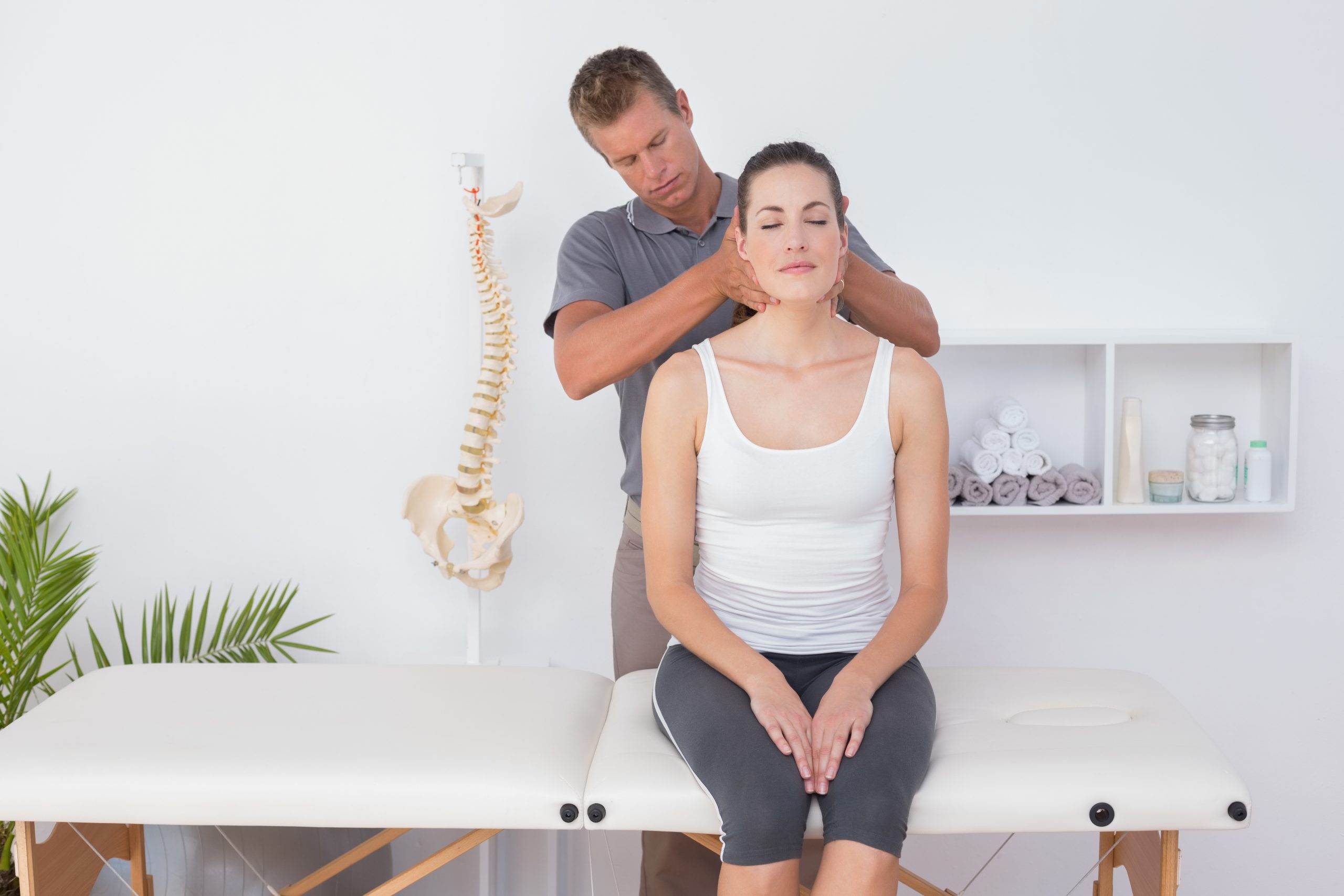
Chiropractic spinal decompression therapy uses controlled traction techniques designed to gently create space between spinal segments. This process may help reduce pressure placed on spinal discs and surrounding nerves.
The therapy is commonly used as part of conservative wellness strategies focused on mobility and spinal support.
Spinal decompression therapy may support:
-
Improved spinal flexibility
-
Reduced disc pressure
-
Better movement patterns
-
Increased range of motion
-
Reduced tension in surrounding muscles
-
Improved postural balance
Unlike invasive procedures, spinal decompression focuses on gradual spinal stretching intended to encourage mobility and support spinal function.
Athletes seeking educational resources about conservative spinal recovery approaches may explore guidance from a momentum health and wellness partner in Placentia, CA to better understand how decompression therapy may complement broader wellness strategies.
Sports and Activities Commonly Linked to Spinal Compression
Certain sports and physical activities may place increased demands on the spine due to repetitive loading patterns.
These activities may include:
Weightlifting
Heavy lifting movements such as squats and deadlifts may place significant stress on the lumbar spine.
Running and Endurance Sports
Repeated impact forces may contribute to spinal compression and muscle tightness.
Golf and Tennis
Rotational sports often place repetitive strain on the lower back and thoracic spine.
Cycling
Extended forward-leaning posture may increase cervical and lumbar tension.
High-Intensity Training
Rapid movement changes and repetitive impact may contribute to muscular fatigue and spinal stiffness.
While physical activity supports overall wellness, recovery strategies are often important for helping athletes manage cumulative strain.
Recovery Habits That May Support Spinal Health
Athletic recovery extends beyond rest days alone. Consistent movement support and posture awareness may help reduce repetitive spinal stress over time.
Helpful recovery habits may include:
-
Dynamic stretching routines
-
Core strengthening exercises
-
Mobility-focused warmups
-
Proper lifting mechanics
-
Recovery-focused sleep positioning
-
Hydration and nutrition support
-
Scheduled recovery periods between training sessions
Athletes who prioritize recovery strategies may improve movement efficiency and reduce the likelihood of ongoing spinal tension.
Spinal decompression therapy is often explored alongside other wellness-focused recovery approaches intended to support flexibility and spinal balance.
Conservative Recovery Strategies for Active Lifestyles
As more athletes seek non-invasive wellness approaches, conservative recovery strategies continue to become more common in sports and fitness environments. Individuals looking to maintain mobility and manage physical stress often explore therapies focused on reducing spinal pressure and supporting functional movement.
Chiropractic spinal decompression therapy may provide support for active individuals dealing with posture-related tension, repetitive strain, and mobility limitations associated with athletic activity.
In communities throughout Placentia, physically active individuals continue to prioritize recovery strategies that align with long-term movement and performance goals. Maintaining spinal flexibility and reducing excessive compression may play an important role in supporting athletic longevity and overall physical wellness.