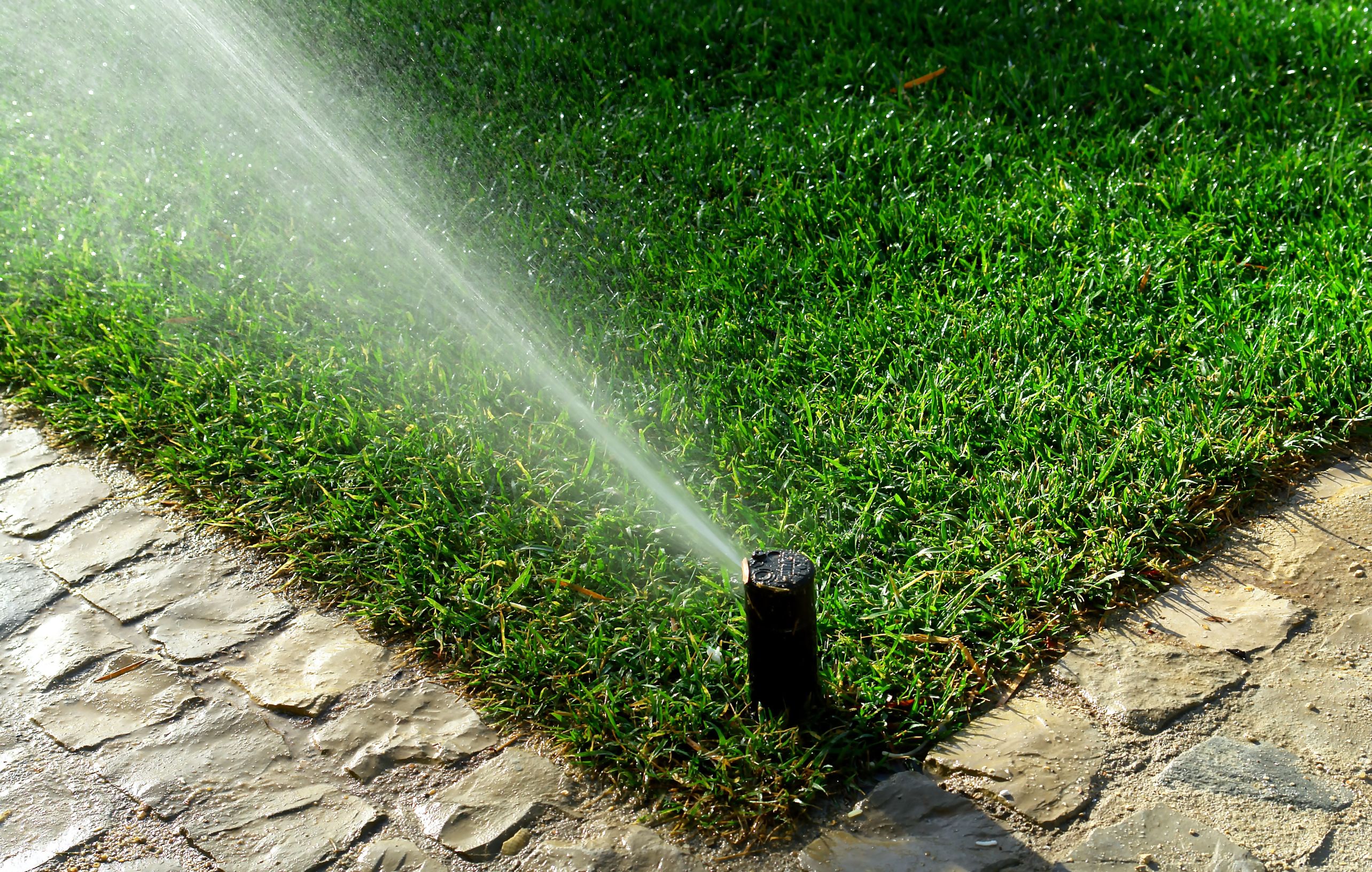
Turf installation services rely on effective drainage design to prevent water pooling, surface instability, and long-term performance issues. Proper artificial grass installation and synthetic grass installation use layered systems that allow water to move efficiently through the surface and into the ground below, even during heavy rainfall events common in Peoria, AZ.
In desert environments where dry conditions can shift quickly to intense monsoon storms, understanding how artificial turf drainage works provides valuable insight into why installation methods matter as much as the turf material itself.
Why Drainage Is Critical for Artificial Turf Performance
Drainage plays a central role in how artificial turf functions over time. Without proper water movement, moisture can accumulate beneath the surface, leading to uneven areas, soft spots, or surface displacement.
Turf installation services are designed to manage water flow from the top layer through the base materials and into the soil. This controlled movement helps maintain surface stability and usability across changing weather conditions in Peoria’s climate.
How Artificial Grass Installation Manages Water Flow
Artificial grass installation systems are built with permeability in mind. Turf fibers allow water to pass through to the backing, which contains perforations that direct water downward rather than trapping it at the surface.
Synthetic grass installation depends on this vertical drainage process to prevent runoff and surface saturation. When installed correctly, water moves evenly across the installation area instead of collecting in low points.
The Role of the Sub-Base in Turf Drainage
The sub-base is one of the most important components in artificial turf drainage. It consists of compacted aggregate materials that create a stable yet permeable foundation beneath the turf.
Turf installation services use graded sub-base layers to guide water away from the surface. In Peoria, AZ, where soil composition can include clay and compacted desert ground, the sub-base acts as a buffer that improves water absorption and dispersal.
How Slope and Grading Prevent Water Pooling
Grading is the process of shaping the ground to encourage natural water flow. Even subtle slopes play a significant role in preventing standing water on artificial turf surfaces.
During artificial grass installation, installers account for existing terrain and adjust grading to direct water toward appropriate drainage paths. This planning is essential in areas affected by monsoon rainfall, where rapid water movement reduces surface stress.
Drainage Considerations During Monsoon Season
Peoria experiences seasonal monsoon storms that bring short bursts of heavy rain. Synthetic grass installation must be designed to handle these conditions without compromising surface performance.
Effective turf installation services incorporate drainage strategies that allow large volumes of water to pass through quickly. This reduces surface saturation and helps maintain consistent footing after rainfall events.
Infill Materials and Their Impact on Drainage
Infill materials play a supporting role in turf drainage. They help stabilize turf fibers while allowing water to pass through the surface layers.
Different infill options interact with moisture differently, influencing how quickly water drains through the system. Artificial grass installation considers infill selection as part of the overall drainage design rather than as a standalone component.
Preventing Long-Term Water-Related Issues
Poor drainage can lead to gradual performance decline over time. Water trapped beneath turf surfaces may affect base stability and surface alignment.
Synthetic grass installation designed with proper drainage reduces these risks by ensuring consistent water movement away from the installation area. Over time, this approach supports reliable performance across seasonal weather changes common in Arizona.
Planning Turf Drainage for Peoria Properties
Each property in Peoria presents unique drainage challenges based on soil type, slope, and exposure. Turf installation services adapt drainage solutions to these site-specific conditions rather than relying on uniform installation methods.
Educational resources discussing
turf drainage best practices are often referenced when evaluating how artificial turf systems are designed to manage water effectively in desert climates. These references help clarify how installation methods align with regional weather patterns and soil conditions.
How Drainage Supports Long-Term Turf Usability
Effective drainage contributes directly to how artificial turf feels and functions over time. Surfaces that drain efficiently remain stable, visually consistent, and usable shortly after rainfall, even during seasonal monsoon conditions.
For those exploring artificial grass installation or
synthetic grass installation in Peoria, AZ, learning more about
turf drainage best practices can support informed planning decisions. Proper drainage design is a key factor in how turf installation services reduce water-related issues and maintain long-term surface performance in desert environments.