
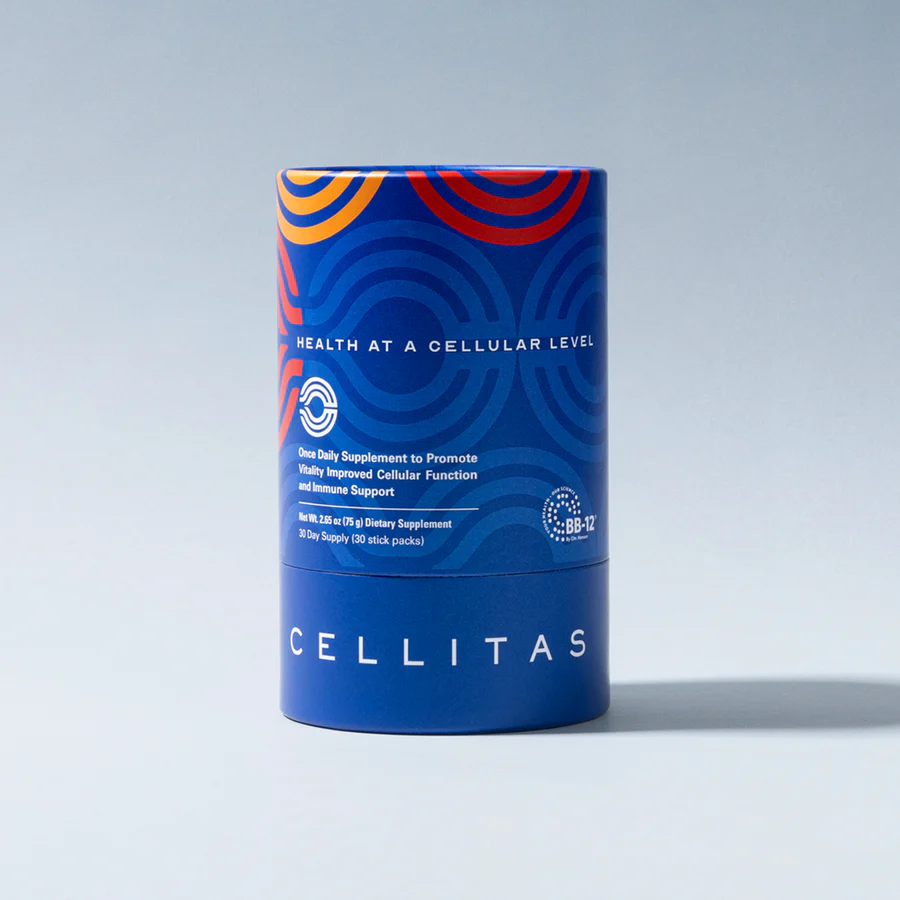
In recent years, the pursuit of a longer, healthier life has captured the attention of scientists, healthcare professionals, and everyday Americans alike. With advances in nutritional science and cellular biology, new compounds are emerging as potential keys to unlocking longevity. Among these, one molecule has been making waves in research circles and health forums: spermidine. Those searching online for “What Is Spermidine” are likely encountering a growing body of information about this naturally occurring compound and its possible role in healthy aging.
The Science Behind Spermidine
Spermidine is a polyamine—a type of organic compound found in all living cells—that plays a vital role in cellular processes such as growth, proliferation, and survival. It is present in a variety of foods, including wheat germ, soybeans, aged cheeses, mushrooms, and some legumes. While the body produces spermidine naturally, levels tend to decline with age, which has led researchers to investigate whether supplementation or dietary intake could offer anti-aging benefits.
Why Are US Experts Talking About Spermidine?
The growing interest in spermidine among American experts is largely due to its connection with autophagy—a fundamental cellular process whereby cells clean out damaged components and regenerate new, healthy structures. Studies have shown that enhanced autophagy is linked to improved metabolic health, reduced inflammation, and potentially increased lifespan. Spermidine has been identified as a natural trigger for autophagy, making it a subject of intense scientific scrutiny.
Key reasons for the buzz include:
• Cellular Health: Spermidine may help maintain cellular function by promoting the removal of cellular debris, which is crucial for healthy aging.
• Heart Health: Preliminary research suggests that higher spermidine intake is associated with improved cardiovascular function.
• Cognitive Function: Some animal studies indicate that spermidine could support brain health and cognitive longevity.
• Immune System Support: By enhancing autophagy, spermidine may also contribute to a more robust immune response.
How to Incorporate Spermidine Into Your Diet
Given that spermidine is naturally present in certain foods, dietary changes can be an effective way to increase intake. Foods rich in spermidine include:
• Wheat germ
• Soy products
• Aged cheeses
• Mushrooms
• Legumes (such as lentils and chickpeas)
• Certain whole grains
While supplementation is also being explored, experts caution that more research is needed to determine optimal dosages and long-term effects. It’s always best to consult with a healthcare provider before making significant changes to your diet or starting new supplements.
The Future of Longevity Research
The excitement surrounding spermidine reflects a broader trend in longevity science: the search for natural compounds that can support healthy aging at the cellular level. With ongoing research and clinical trials, experts are optimistic about the potential of spermidine to become an important tool in the fight against age-related decline. However, as with many emerging health trends, it is important to approach new findings with a critical eye and rely on evidence-based recommendations.
To sum up, those curious about “What Is Spermidine” are discovering a promising molecule that may play a key role in promoting healthy aging. As more studies emerge, Americans can look forward to clearer guidance on how to harness the benefits of spermidine—whether through diet, lifestyle, or future therapies—on their journey toward optimal health and longevity.