Key takeaway:
• Diamond value is determined by four standardized factors: cut, color, clarity, and carat weight.
• A free assessment from a knowledgeable jeweler can confirm authenticity and quality before a purchase or trade.
• Buyers in St. Petersburg, FL can evaluate wholesale and estate pieces using the same grading principles used industry-wide.
Choosing the right diamond jewelry comes down to understanding how a stone’s cut, color, clarity, and carat weight interact to determine its appearance and value. Buyers who learn these fundamentals before shopping are better equipped to compare pieces and avoid overpaying for quality they cannot verify.
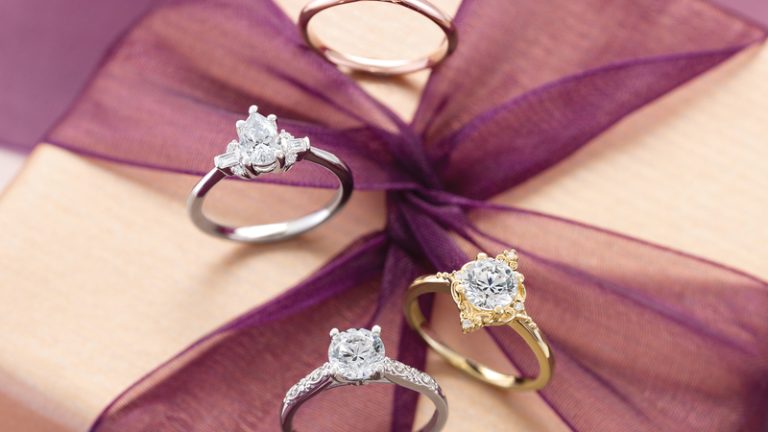
Readers evaluating Diamond Jewelry St. Petersburg FL often start with a specific piece in mind, whether that is an engagement ring, a tennis bracelet, or an estate find passed down through family. Understanding the grading standards behind a stone’s price tag helps separate genuine value from marketing claims made at the counter.
Understanding the 4Cs Before You Buy
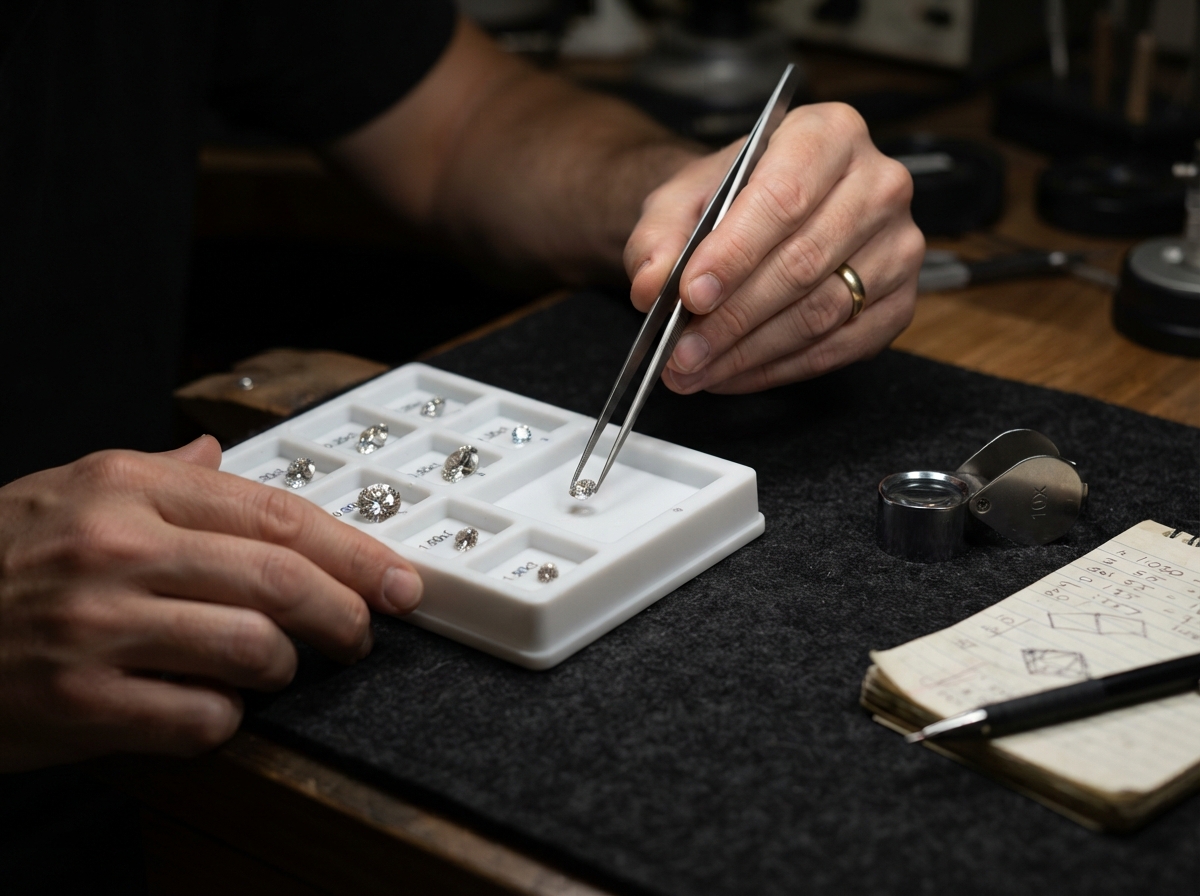
Diamond grading rests on four measurable characteristics that jewelers and gemological labs use worldwide.
• Cut : Cut quality is the factor that fuels a diamond’s fire, sparkle and brilliance, and the allure of a particular diamond depends more on cut quality than anything else.
• Color : Graded on a scale from colorless to light yellow or brown, with less color generally indicating higher value.
• Clarity : Clarity refers to the absence of inclusions and blemishes, and diamonds without these birthmarks are rare, which affects a diamond’s value.
• Carat Weight : A 50-point diamond weighs 0.50 carats, and diamond weights greater than one carat are expressed in carats and decimals.
According to the Gemological Institute of America, the 4Cs are the industry standard for evaluating diamond quality. A stone’s grading report, issued by an independent laboratory, documents these four factors and gives buyers an objective reference point rather than relying solely on a seller’s description.
What to Check Before a Purchase or Trade
A methodical review process reduces the risk of overpaying or misjudging a stone’s condition.
1. Request documentation. Ask whether the piece includes a grading report from a recognized laboratory.
2. Inspect the setting. Prongs, clasps, and mountings should be examined for wear, especially on estate or antique pieces.
3. Compare carat weight to visual size. Cut quality affects how large a diamond appears relative to its actual weight.
4. Ask about origin and treatments. Some stones undergo clarity or color enhancement, which affects resale value.
5. Get a written assessment. A documented evaluation protects both buyer and seller during a transaction.
Buying, Selling, or Trading: What Residents Should Know
Florida’s humidity and coastal conditions in St. Petersburg, FL can accelerate tarnish on softer metals like silver, making periodic cleaning and inspection a practical habit for anyone who stores fine jewelry at home. Residents considering a sale or trade should also understand how wholesale pricing differs from retail.
| Transaction Type | Typical Pricing Basis | Documentation Needed |
| Retail purchase | Includes markup for design, branding | Grading report, receipt |
| Wholesale buy/sell | Based on melt value and stone grade | Assessment, proof of ownership |
| Estate trade-in | Appraised against current market rates | Appraisal, item history |
| Private sale | Negotiated, varies widely | None required, but recommended |
Sellers working with a wholesale operation typically receive an evaluation based on current gemstone grading rather than original retail price, which can result in a different offer than expected from a retail appraisal.
Caring for Diamond Jewelry Over Time
Routine maintenance preserves both appearance and resale value.
• Clean settings periodically to remove oils and residue that dull brilliance.
• Store pieces separately to prevent scratching between stones and metal.
• Have prongs and clasps checked annually, particularly on frequently worn rings or bracelets.
• Keep original documentation, including grading reports and purchase receipts, in a secure location.
For residents in St. Petersburg, FL, humidity and salt air make annual inspection especially relevant for pieces with open settings or delicate prongs.
Frequently Asked Questions
What is the most important of the 4Cs? Cut is often considered the most influential factor for visual appeal, since it determines how light reflects through the stone, though all four characteristics affect overall value together.
How can I tell if a diamond has been treated? A grading report from an independent laboratory typically discloses known treatments; without documentation, a professional assessment is the most reliable way to confirm a stone’s history.
Does carat weight alone determine price? No. Two diamonds of the same carat weight can have significantly different values depending on their cut, color, and clarity grades.
Is a free assessment the same as a formal appraisal? Not always. A free assessment typically provides a general evaluation, while a formal appraisal is a documented report often required for insurance purposes.
Next Steps for Evaluating Your Jewelry
Based in USA, Kopelman Enterprises serves customers across St. Petersburg, FL.
Click Kopelman Enterprises for current details on diamond and gemstone evaluation services published for reference before a purchase, sale, or trade.