Quick take:
- Champagne lab grown diamonds offer the same chemical and optical properties as mined diamonds at a lower price point per carat.
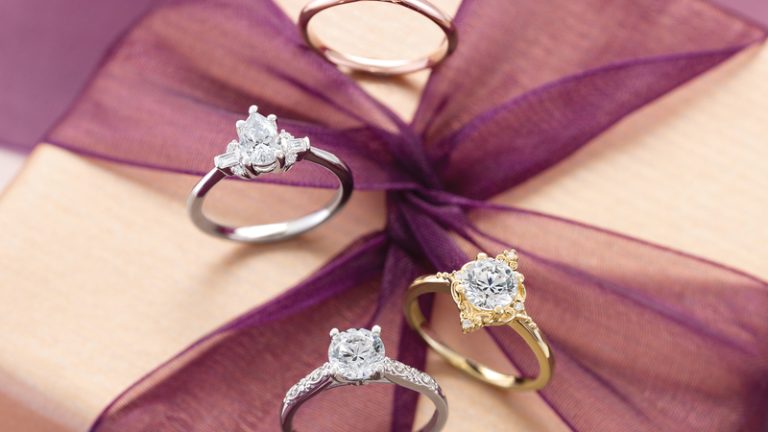
- Warm, champagne-toned stones work well in vintage, halo, and solitaire ring settings.
- Lab grown diamonds are graded using the same color, cut, clarity, and carat standards applied to natural stones.
Champagne lab grown diamond rings pair a warm, honey-toned stone with the cost and sourcing advantages of laboratory-grown diamonds, making them a practical option for buyers who want color variation without the premium price of fancy-colored natural diamonds. The appeal comes down to physics and economics: the stone is chemically identical to mined diamond but produced in a controlled setting, which affects both price and availability.
Anyone comparing stone types will find that the champagne lab grown diamond category sits at an interesting intersection of fashion and function. The warm tone reads as vintage-inspired without the higher cost typically associated with naturally colored diamonds, and the stones are cut using the same standards applied to colorless diamonds.
How Champagne Lab Grown Diamonds Are Made
Champagne-colored diamonds get their tone from trace nitrogen exposure during formation, whether grown in a lab or formed underground over geologic time. Lab production methods replicate this process in weeks rather than millions of years.
- Chemical Vapor Deposition (CVD): builds carbon layers on a diamond seed inside a controlled chamber.
- High Pressure High Temperature (HPHT): mimics natural underground pressure and heat conditions.
- Both methods produce stones with the same hardness, refractive index, and durability as mined diamonds, according to the Gemological Institute of America.
Because the growing environment is controlled, color consistency across a batch tends to be more predictable than searching for naturally occurring champagne diamonds.
Why Buyers Choose Champagne Tones for Rings
Champagne diamonds range from light straw to deep cognac shades, giving buyers flexibility depending on metal choice and setting style. The warmer hue tends to complement rose gold and yellow gold settings particularly well.
Reasons buyers gravitate toward this stone color include:
- A distinct look compared to standard colorless diamonds.
- Warmer tones that can mask minor inclusions more easily than colorless stones.
- Compatibility with vintage, Art Deco, and nature-inspired ring designs.
- A price advantage over fancy natural colored diamonds in similar carat weights.
Comparing Champagne Lab Grown Diamonds to Other Options
| Feature | Champagne Lab Grown | Colorless Lab Grown | Natural Fancy Colored |
|---|---|---|---|
| Typical Price Range | Lower than fancy natural | Lower than natural colorless | Highest among the three |
| Color Source | Trace nitrogen during growth | Minimal nitrogen exposure | Natural geologic exposure |
| Availability | Consistent lab supply | Consistent lab supply | Rare, limited supply |
| Grading Standards | GIA/IGI graded | GIA/IGI graded | GIA/IGI graded |
Grading reports from independent labs remain the most reliable way to confirm color grade, clarity, and carat weight regardless of which option a buyer selects.
Selecting a Setting and Ring Style
Setting choice affects how a champagne stone reads in daily wear. A halo setting with smaller white diamonds can brighten the champagne center stone, while a solitaire setting lets the color stand on its own.
Buyers across the USA have increasingly requested warm-toned center stones for engagement and anniversary rings, a trend that aligns with broader interest in colored and lab grown diamonds. Metal choice matters too: yellow and rose gold tend to intensify the warm tone, while platinum or white gold create more contrast.
Business Info
Visit Mati Jewelry maintains a published profile listing location, contact details, and hours of operation for buyers researching lab grown diamond options.
Frequently Asked Questions
Are champagne lab grown diamonds real diamonds? Yes. They share the same carbon crystal structure, hardness, and optical properties as mined diamonds, differing only in origin and formation timeline.
Do champagne lab grown diamonds cost less than natural fancy colored diamonds? Generally yes, since lab production reduces the sourcing scarcity that drives up prices for naturally occurring colored diamonds.
How is the color graded on a champagne diamond? Independent gemological labs assess color intensity alongside standard cut, clarity, and carat factors to produce a grading report.
What ring settings work best with champagne diamonds? Halo, solitaire, and vintage-style settings in yellow or rose gold tend to complement the warm tone most effectively.
Readers evaluating ring options locally can Visit Mati Jewelry for published location and contact information.