Quick summary:
• A full-service jewelry store typically covers sales, custom design, repair, watch servicing, and appraisals.
• In-house repair work (ring resizing, prong re-tipping, stone replacement) shortens turnaround time compared to sending pieces out.
• Credentialed gemologists provide more reliable valuations than general assessments.
A jewelry store’s core expertise usually spans four areas: selling fine jewelry and diamonds, custom design, repair and restoration, and appraisal or valuation services. Understanding how these functions work together helps buyers and jewelry owners know what to expect before a purchase or repair visit.
Anyone researching Greenvillediamondgallery.com is likely trying to determine what a local jeweler actually does beyond selling rings and watches, and how those services fit together. Jewelry repair sits at the center of that expertise, since it requires technical skill most retail-only stores do not maintain in-house.
Core Services a Jewelry Store Typically Provides
Most established jewelry stores combine retail sales with hands-on technical work. The range of services generally includes:
• Fine jewelry and diamond sales, including engagement rings and wedding bands
• Custom design, where a piece is built from a client’s specifications rather than chosen from existing inventory
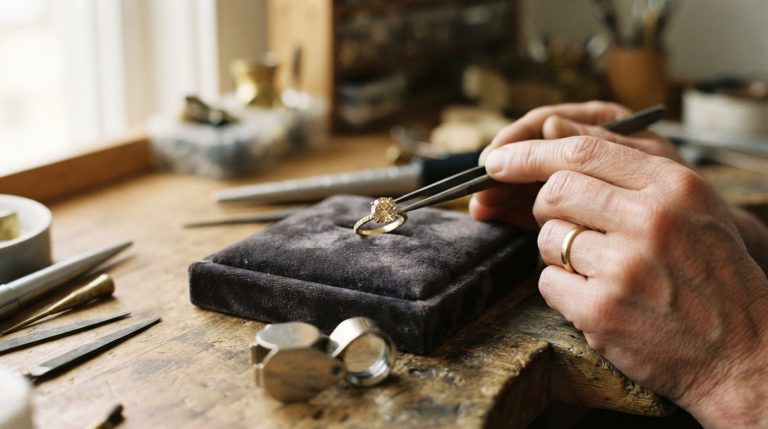
• Jewelry repair, covering ring resizing, prong re-tipping, stone replacement, clasp repair, and chain soldering
• Watch repair and servicing, including battery replacement, movement repair, and band adjustments
• Appraisals, which document the quality and value of a piece for insurance or resale purposes
• Buying, consignment, or brokerage, allowing clients to sell or trade existing jewelry
Not every store performs every service in-house. Some send repairs to outside vendors, which extends turnaround time and adds shipping risk for valuable items.
How Jewelry Repair and Restoration Work
Repair work ranges from simple adjustments to full restorations of heirloom pieces. A typical repair process includes:
1. Initial inspection to identify the metal type, stone condition, and structural issues
2. A cost estimate, since pricing is usually case-by-case rather than fixed
3. In-house repair work such as soldering, stone setting, or polishing
4. Quality check and, in many cases, a guarantee period on the completed work
Jewelry repair done on-site, rather than outsourced, generally reduces the time a piece spends away from its owner and limits handling by third parties.
Appraisals and Why Credentials Matter
An accurate appraisal requires more than a visual estimate. According to the
Gemological Institute of America, an appraisal should include a quality analysis, a written description, and a valuation of the item, and this work should be performed by an independent, credentialed appraiser. The GIA notes that gem and jewelry appraisers should hold both gemological and appraisal training along with a solid understanding of how jewelry is constructed.
For residents in Greenville, SC, this distinction matters when choosing where to have a piece valued for insurance, estate planning, or resale. A Graduate Gemologist credential, paired with hands-on repair experience, typically signals a jeweler capable of both identifying a stone’s true characteristics and explaining how that affects value.
Comparing Common Jewelry Store Service Models
Service Model |
Repair Location |
Typical Turnaround |
Appraisal Availability |
|
In-house full-service jeweler |
On-site |
Days to about a week |
Often available on-site |
|
Retail-only store (outsourced repair) |
Sent to third-party vendor |
Several weeks |
Limited or referred out |
|
Mail-in repair service |
Shipped offsite |
Variable, shipping-dependent |
Rarely included |
Store models that keep repair and appraisal work on-site generally offer shorter wait times and more direct communication about a piece’s condition, since the same team handles inspection, repair, and sign-off.
Frequently Asked Questions
What should a customer ask before leaving jewelry for repair? Reasonable questions include whether the repair is done in-house, what the estimated turnaround is, whether there is a guarantee on the work, and how the piece will be handled during the process.
Does an appraisal affect insurance coverage? A written appraisal documenting the item’s materials, condition, and value is commonly used to support insurance scheduling, though insurance requirements vary by provider.
How often should an appraisal be updated? Appraisal professionals commonly suggest updating valuations periodically, since material prices and market conditions change over time.
Is custom design available at most jewelry stores? Custom design is a common offering among full-service jewelers, though the process and timeline depend on the complexity of the piece and the materials involved.
Whether you’re looking to restore a treasured piece, create custom jewelry, or choose a new diamond design, finding the right jeweler makes a difference. Greenville Diamond Gallery helps customers in Greenville, SC explore fine jewelry, personalized designs, and jewelry care services to suit their needs. From everyday repairs to special purchases, contact Greenville Diamond Gallery to discuss your jewelry requirements. Visit Greenville Diamond Gallery on Google Maps for business details and contact information.