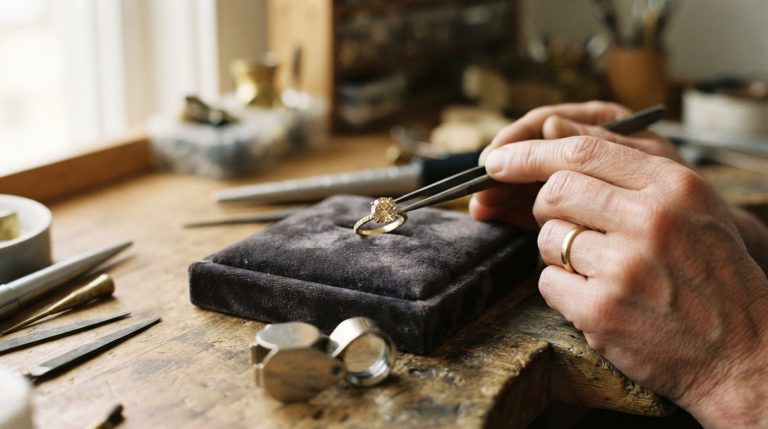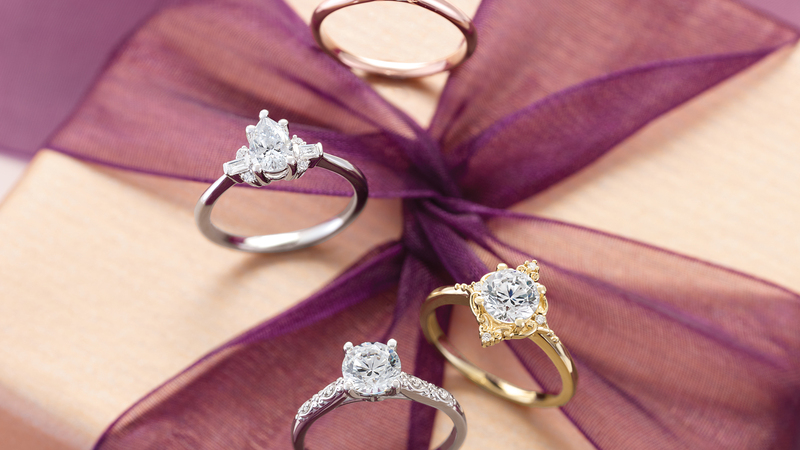
A damaged piece of jewelry can carry far more than its material value. A ring may mark a milestone, a chain may be part of someone’s everyday routine, and an heirloom may connect several generations. If you are searching online for Jewelry repair little rock AR, understanding the repair process can help you choose the right service and protect the pieces that matter most.
Repairs for Rings, Chains, and Everyday Jewelry
Jewelry damage can range from a loose stone to a broken clasp, and each problem calls for an appropriate solution. Rings often need resizing, prong work, stone tightening, or repair to a worn band. A ring that spins or feels uncomfortably tight may need a professional assessment before resizing, especially if it has an intricate setting or a row of stones around the band.
Chains and necklaces commonly need soldering, clasp replacement, or repair where a link has opened. Fine chains can be delicate, so avoid pulling on a snag or trying to close a broken link with household tools. That kind of pressure may distort the metal or create additional damage. A secure clasp also matters: if it no longer closes firmly, replacing it can help prevent a necklace from slipping off unnoticed.
Earrings, bracelets, and pendants may need new posts, soldered connections, or repairs to worn settings. A jeweler can examine the piece and explain whether repair, replacement of a component, or a different approach is most practical.
Why Heirloom Repairs Need Extra Care
Older jewelry may use construction methods, metal alloys, or settings that differ from those on contemporary pieces. It can also have sentimental value that makes preserving its original appearance especially important. Before work begins, tell the jeweler what you know about the item, including its age, previous repairs, and any family history. If you have a photograph showing the piece before it was damaged, bring it along.
Ask what the repair will involve and whether it could affect the piece’s finish, stones, engraving, or overall shape. Some repairs can be completed with minimal visible change; others may require a compromise between preserving the original design and restoring safe, wearable condition. A clear discussion helps you make an informed decision rather than discovering unexpected changes after the work is done.
For a piece with fragile materials or unusual construction, request an examination before authorizing a repair. A careful assessment can identify loose stones, thin areas, or earlier repairs that may affect how the item should be handled.
What to Expect During the Repair Process
A reliable repair process starts with a close inspection. The jeweler should identify the problem, check for related wear, and explain the recommended work. For example, a ring with a loose stone may also have prongs worn thin enough to need rebuilding. Addressing only the visible symptom could leave the stone at risk of falling out later.
Before leaving valuable jewelry for service, take a moment to document its condition. Note distinctive features and existing marks, and ask for a written description of the item and the requested work. Find out about the estimated timeline, price, and any limits on the repair. Costs can vary according to the metal, design complexity, extent of damage, and availability of replacement parts, so a professional assessment is more useful than a general estimate alone.
If the jewelry includes valuable or sentimental stones, ask how they will be handled during the repair. Make sure you understand the scope of the work and approve any additional repairs before they are performed.
How to Help Jewelry Last Longer
Routine care can reduce wear and catch problems before they become serious. Remove rings before heavy lifting, gardening, or using cleaning products, and take off jewelry before swimming or exercising. Store pieces separately in a dry place to limit scratches and tangles. Keep chains laid flat or fastened when stored, and avoid placing delicate items loose in a drawer.
Check clasps, prongs, and links periodically. If a stone moves, a clasp opens too easily, or a chain begins to look stretched, stop wearing the piece until it has been assessed. A quick inspection may prevent a lost stone or a complete break. Follow care instructions suited to the specific metal and stones; abrasive products and harsh chemicals can damage some finishes and gems.
Choose a Repair Approach That Fits the Piece
The right repair balances safety, appearance, and the jewelry’s purpose. A daily-wear ring may need reinforcement designed to withstand regular use, while a delicate heirloom may call for a more conservative restoration. Ask questions, share your priorities, and request an explanation of the available options. You should feel comfortable with what will be done before handing over a meaningful piece.
With a careful assessment, appropriate repairs, and consistent at-home care, rings, chains, and heirlooms can remain wearable for years to come. Addressing small problems early, documenting valuable pieces, and discussing repair choices clearly are practical steps toward preserving both the jewelry and the memories attached to it.