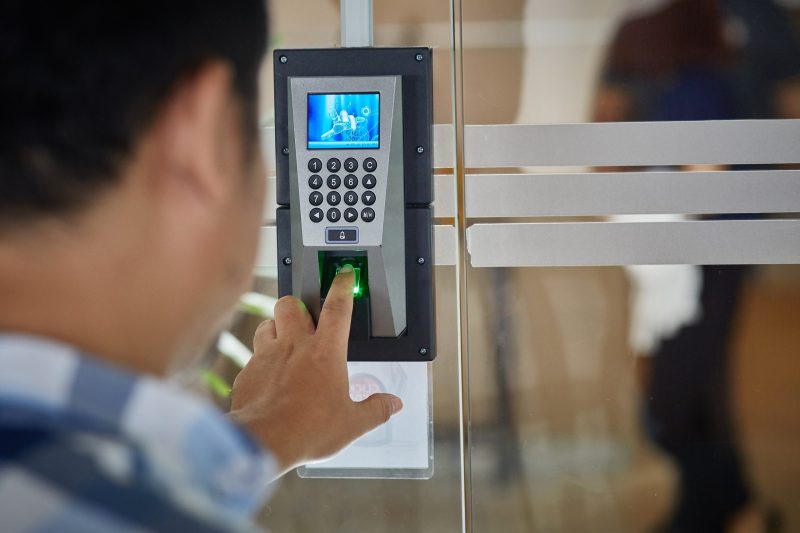
Site security during phased commercial building turnovers involves monitoring access between completed and unfinished areas, maintaining oversight of active construction zones, and documenting security concerns as portions of a property transition to occupancy. Professional construction security guards support these changing conditions by maintaining clear boundaries and communicating with authorized project and property management personnel.
In Phoenix, Arizona, commercial developments may open individual sections of a building while construction continues elsewhere on the property. This arrangement introduces security considerations that differ from those of a fully active construction site or a completed commercial facility.
What Makes Phased Commercial Building Turnovers Different?
A phased building turnover occurs when a commercial project transfers completed portions to an owner, tenant, or property management team while other areas remain under construction.
Completed areas may accommodate employees, tenants, visitors, and building management personnel. Meanwhile, unfinished sections continue to receive construction crews, subcontractors, equipment, and material deliveries.
A person authorized to enter an occupied office suite may not have permission to enter an adjacent construction area. Likewise, a contractor working in an unfinished section may not need access to completed tenant spaces.
How Do Security Responsibilities Change as Buildings Become Occupied?
During early construction, security coverage generally focuses on the jobsite perimeter, authorized contractor access, equipment, materials, and unusual property activity.
As portions of the project are completed, additional security considerations emerge.
Separating Construction Activity From Occupied Areas
A partially occupied building may contain finished corridors, tenant entrances, parking areas, and operational offices alongside spaces where construction remains active.
Construction site security guards can monitor designated boundaries and observe activity involving individuals moving between these spaces.
For example, a contractor delivering materials to an unfinished floor may need access through an approved construction entrance rather than a tenant lobby.
Security officers help maintain the established access arrangements by observing designated entrances and communicating authorization questions to project representatives.
Recognizing Changes in Authorized Personnel
The individuals entering a commercial property often change considerably during phased completion.
An officer assigned to the property must understand which areas fall within the security assignment and which categories of visitors are authorized under current instructions.
Maintaining Continuity Between Project Stages
Security requirements may evolve repeatedly as additional spaces are completed.
A doorway previously used by contractors might become a controlled employee entrance. A temporary storage area may eventually become tenant parking.
Consistent communication between property management and security personnel helps keep assigned responsibilities aligned with the property’s current operating conditions.
Why Are Shared Entrances a Security Concern During Turnovers?
A single driveway or building entrance may accommodate construction deliveries, property maintenance vehicles, tenant employees, and visitors.
Managing Contractor and Tenant Access
Consider a commercial office building where the first floor has opened while upper floors remain under construction.
Tenants may use the completed main entrance, while contractors access unfinished areas through a separate designated route.
A construction security guard may observe contractor arrivals, monitor designated access points, and refer unexpected access requests to authorized representatives.
Observing Delivery Activity
Construction deliveries may continue even after tenants begin using completed sections of the property.
Security personnel assigned to vehicle entrances can monitor relevant arrivals and report unusual activity.
However, directing construction deliveries, scheduling contractors, and supervising unloading operations are responsibilities of the appropriate project personnel.
How Are Restricted Construction Zones Monitored?
Unfinished building areas may contain tools, stored materials, temporary installations, and contractor equipment.
Monitoring Authorized Access
Security officers may be assigned to observe entrances leading into active construction zones.
For example, an employee from an occupied tenant space might mistakenly attempt to enter an unfinished corridor.
An officer can address the access concern within their authorized responsibilities and direct the matter to the appropriate representative.
Observing Equipment and Material Storage Areas
Construction projects often retain equipment and materials on-site until the final stages of completion.
Security patrols can maintain awareness of designated storage areas and document relevant observations.
A reported concern involving an unfamiliar vehicle near stored equipment may warrant closer observation or communication with project management.
Supporting Security During Reduced Construction Activity
Work schedules may become less consistent during final project phases.
Some contractors may finish early, while specialized crews continue working evenings or weekends.
Professional security coverage can account for these differences when the assigned patrol areas and coverage periods are clearly defined.
What Happens When Construction and Property Management Responsibilities Overlap?
A phased turnover may introduce a new management team before all construction activities have concluded.
The general contractor may continue overseeing unfinished work while the property manager assumes responsibility for completed areas.
Security personnel must know which authorized contact is responsible for different issues.
Distinguishing Project and Property Concerns
A concern involving construction materials may need to be reported to the general contractor.
An unauthorized visitor entering an occupied tenant area may require communication with property management.
Other situations may involve both parties.
Professional security reporting helps communicate observations without requiring guards to determine contractual responsibility between contractors and property owners.
Supporting Clear Incident Communication
Security incidents can occur at the boundary between completed and unfinished areas.
For instance, a damaged access door connecting two building sections may affect both tenant security and construction operations.
The security officer’s role may involve documenting the condition, reporting relevant observations, and notifying the appropriate authorized contacts.
Determining repair responsibility and approving corrective work remain management decisions.
Maintaining Records Through Changing Assignments
Different security officers may cover a property across multiple shifts or construction stages.
Consistent documentation helps preserve information about outstanding concerns and changes communicated by authorized representatives.
How Does Phased Occupancy Affect Security and Building Safety Responsibilities?
Partially occupied buildings require careful coordination among developers, contractors, building officials, and property managers.
The Occupational Safety and Health Administration’s publication Fire Service Features of Buildings and Fire Protection Systems discusses the importance of planning access, emergency response features, and egress arrangements for partially occupied buildings.
Security officers may observe conditions that warrant reporting, but they are not responsible for approving fire protection systems, certifying exits, or determining building-code compliance.
Keeping Security Duties Separate From Safety Inspections
Construction security focuses on assigned monitoring, access oversight, patrol activity, and incident reporting.
For example, a security officer might observe that an authorized entrance has become unexpectedly obstructed.
The officer can communicate that observation through the applicable reporting procedures.
Understanding Occupancy Authorization
A completed-looking section of a building is not necessarily approved for occupancy.
In Phoenix, construction and occupancy requirements depend on the specific project and its approvals.
Security personnel should rely on confirmed management instructions rather than independently deciding which sections may open to tenants.
How Can Professional Security Coverage Adapt to Multiple Building Phases?
No two phased commercial turnovers involve identical property layouts or operational requirements.
Professional Construction site security can support project managers through assigned access monitoring, patrol activity, equipment oversight, and incident documentation as construction conditions evolve.
Early Turnover Periods
During initial handovers, a property may have relatively few occupied areas.
Security assignments may continue emphasizing construction entrances and unfinished sections while also accounting for newly authorized occupants.
Expanded Occupancy
As more sections become operational, the number of tenants, visitors, and service providers may increase.
Coverage requirements should reflect the areas currently assigned for monitoring rather than assumptions based on earlier construction stages.
Final Construction Completion
Near project completion, most construction equipment and temporary installations may be removed.
At this stage, security responsibilities may be reviewed to determine whether construction-focused monitoring remains appropriate or whether the property’s operational security requirements have changed.
What Should Developers and Property Managers Expect From Security Coverage?
During phased commercial turnovers, relevant considerations include the location of completed and unfinished areas, the number of authorized entrances, ongoing delivery activity, and the appropriate contacts for reporting concerns.
A construction security assignment should not be confused with construction supervision, regulatory inspection, tenant management, or emergency response services.
Instead, professional officers provide dedicated security oversight that complements those separate responsibilities.
In Phoenix commercial developments, that distinction helps property stakeholders maintain organized security operations throughout changing project conditions.
Coordinating Security Through the Final Building Turnover
Phased commercial building turnovers introduce an unusual combination of construction activity and occupied-property operations.
Completed areas may require tenant access and regular building management, while unfinished sections continue accommodating contractors, deliveries, and valuable materials.
By maintaining clear professional boundaries, construction site security guards can support a structured transition without assuming responsibility for construction schedules, safety certification, or occupancy approvals.
For developers and commercial property managers, understanding these security considerations helps clarify how professional oversight fits into a building’s changing operational environment.
About Urban Tactical Security
Based in Phoenix, Arizona, at 18631 N. 19th Ave, #158-168, Urban Tactical Security is a locally owned private security provider serving commercial properties and construction projects throughout the Phoenix and Tucson areas. The company holds Arizona security license No. 1562419 and provides armed and unarmed security guards, construction site monitoring, and mobile patrol services. For inquiries, their office can be reached at 623-853-3712, and visitors can Locate their Phoenix office on Google Maps.