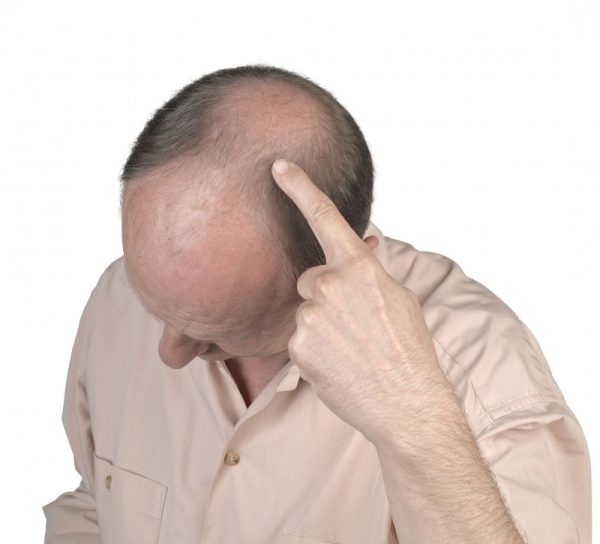
Hormone treatment can contribute to hair thinning in some women, particularly when changes in androgen exposure affect genetically susceptible hair follicles. However, hair loss that begins during hormone therapy is not necessarily caused by the medication, since menopause, polycystic ovary syndrome (PCOS), nutritional deficiencies, and other medical conditions can produce similar changes.
For women in Goodyear, AZ, who notice increased shedding after beginning hormonal treatment, understanding this distinction is important. Identifying the actual cause requires examining the medication history, pattern of hair loss, and other contributing health conditions before deciding whether treatment adjustments are appropriate.
How Can Hormone Treatment Influence Hair Growth?
Hair follicles respond to several hormones, including estrogen and androgens. These hormones interact with genetic characteristics and the normal hair-growth cycle, influencing how long individual hairs remain in their growth phase.
Estrogen may help support the hair-growth cycle, although its precise effects on scalp follicles are complex. Androgens can also influence follicle activity, particularly in individuals who are genetically susceptible to female pattern hair loss.
Certain hormone treatments change circulating hormone concentrations or alter androgen activity. Depending on the medication and individual susceptibility, these changes may affect hair density.
However, not every hormone formulation produces the same effects.
A woman receiving estrogen therapy for menopause symptoms has a different treatment profile from someone receiving testosterone or medication intended to reduce androgen activity.
Understanding these distinctions helps prevent the assumption that all hormone medications carry identical hair-related risks.
Why Might Hair Thinning Begin After Hormone Therapy Starts?
Hair changes can become noticeable after treatment begins for several reasons.
Some women already have early female pattern hair loss that becomes more apparent during menopause. Others experience increased shedding following illness, medication changes, rapid weight loss, or significant physical stress.
Hair growth also follows a delayed biological cycle. A change affecting the follicles may not become visible immediately.
For example, a woman may notice increased shedding several months after beginning a medication. Although the timing raises a reasonable question about treatment-related effects, it does not establish causation.
Other events occurring during the same period may provide a more likely explanation.
Why Timing Alone Cannot Confirm the Cause
Hair follicles move through growth, transitional, resting, and shedding phases.
Telogen effluvium occurs when a greater-than-usual number of follicles enter the resting phase, often following a physiological or emotional stressor.
Visible shedding commonly begins two to three months after the triggering event.
This delay can complicate medical evaluation because the patient may associate the shedding with a recent medication while overlooking an earlier illness or nutritional change.
A detailed clinical history can help identify which explanations are most consistent with the timing and pattern of hair loss.
Can Testosterone Treatment Affect Scalp Hair?
Testosterone deserves particular consideration because excessive androgen exposure may contribute to scalp hair thinning in susceptible women.
Androgens can interact with receptors in hair follicles. In individuals with androgen-sensitive follicles, this activity may promote follicular miniaturization, causing affected hairs to become progressively finer.
However, testosterone does not cause identical hair changes in every woman.
Genetic susceptibility, circulating hormone concentrations, medication exposure, and other health factors can influence the response.
Women receiving testosterone therapy should have an appropriate clinical indication and professional monitoring.
Testosterone treatment is not a general solution for fatigue, menopause symptoms, or hair restoration.
Why Androgen Monitoring Matters
Excessive testosterone exposure can produce androgen-related effects, including acne, increased facial hair, and potentially scalp hair thinning.
A healthcare provider may review testosterone concentrations and clinical symptoms when androgen therapy is prescribed.
The objective is to avoid excessive exposure while assessing whether the treatment remains appropriate.
Importantly, normal blood androgen concentrations do not completely exclude androgen-sensitive hair loss.
Some women develop female pattern thinning despite laboratory results within expected ranges.
Therefore, laboratory testing must be interpreted alongside the patient’s symptoms and examination findings.
Does Menopause Increase the Risk of Hair Thinning?
Female hair loss often becomes more noticeable during midlife, when hormonal changes occur alongside aging and inherited susceptibility.
During menopause, estrogen production declines substantially. This transition may influence hair density, but the relationship is not straightforward.
The American Academy of Dermatology identifies female pattern hair loss as the most common cause of hair loss in women. It frequently becomes noticeable during the 40s, 50s, or 60s.
A woman beginning menopause hormone therapy may already be experiencing gradual follicle miniaturization.
Consequently, the appearance of thinning after treatment begins does not prove that the medication initiated the process.
Can Estrogen Therapy Prevent Hair Loss?
Estrogen therapy should not be considered a standard treatment for female pattern hair loss.
Although estrogen influences hair biology, evidence does not establish systemic menopause hormone therapy as a reliable method for preventing or reversing inherited scalp thinning.
Prescribing decisions should primarily reflect established clinical indications, potential benefits, contraindications, and individual risk factors.
If hair loss develops during treatment, a healthcare provider may consider whether another diagnosis or treatment approach is appropriate.
Increasing estrogen exposure solely to improve hair density is not automatically justified.
How Does PCOS Affect Hair Thinning During Hormone Treatment?
Polycystic ovary syndrome can contribute to androgen-related changes that affect hair growth.
Women with PCOS may experience scalp thinning alongside acne, irregular menstrual periods, or increased facial and body hair.
However, not everyone with PCOS develops hair loss, and not everyone experiencing thinning has elevated androgen concentrations.
This distinction becomes especially important when hormone treatment and an underlying endocrine condition may both influence symptoms.
For women researching Hormonal hair loss women, understanding the relationship between PCOS, androgen activity, and individual follicle sensitivity provides useful context for discussing persistent scalp changes with a healthcare professional.
Why a PCOS Diagnosis Changes the Evaluation
PCOS is a hormonal and metabolic condition rather than simply a hair-related disorder.
Its evaluation may involve menstrual history, androgen-related symptoms, metabolic health, and testing when clinically indicated.
The 2023 International Evidence-based Guideline for PCOS emphasizes that female pattern hair loss alone is a relatively weak predictor of elevated androgen levels.
Therefore, scalp thinning should not automatically be interpreted as proof of PCOS.
When PCOS is already diagnosed, however, clinicians may consider how existing androgen activity and prescribed medications interact.
Treatment decisions should account for reproductive plans, metabolic concerns, potential medication effects, and the patient’s overall health.
How Can Clinicians Distinguish Medication-Related Shedding From Female Pattern Hair Loss?
The appearance and progression of hair loss provide important diagnostic information.
Female pattern hair loss commonly develops gradually, with thinning around the central scalp or widening of the hair part.
Telogen effluvium generally produces more diffuse shedding that becomes noticeable over a shorter period.
These conditions can occur simultaneously, making diagnosis more complicated.
A woman with inherited thinning may also experience temporary shedding following illness or medication changes.
Why a Detailed Assessment Is Important
A professional evaluation may consider when the hair changes began, whether shedding is diffuse or concentrated, and whether other symptoms suggest a hormonal or medical condition.
Relevant information can include:
- Current and recently discontinued medications
- Menstrual and menopause history
- Changes in hormone prescriptions
- Previous hair-loss patterns
- Recent illnesses or significant weight changes
- Thyroid conditions and nutritional concerns
- Family history of hair thinning
Additional examination or laboratory testing may be appropriate depending on the findings.
Dermatology referral may be necessary when the diagnosis remains uncertain or scalp inflammation and scarring are suspected.
Could Nutritional or Thyroid Conditions Be Responsible?
Hormonal hair loss is sometimes suspected when another medical condition is contributing to thinning.
Thyroid disorders can disrupt normal hair cycling, while iron deficiency or inadequate nutritional intake may contribute to increased shedding.
Rapid weight reduction can also trigger telogen effluvium, particularly when accompanied by substantial dietary changes.
These contributors may occur independently of hormone therapy.
For example, someone receiving menopause treatment while undergoing rapid weight loss may experience increased shedding related to physiological stress rather than the hormone medication itself.
In this situation, changing hormone doses may not address the underlying problem.
A comprehensive clinical review helps determine whether additional testing or nutritional assessment is warranted.
Does Bioidentical Hormone Therapy Carry Different Hair-Related Considerations?
Bioidentical hormones have the same chemical structure as hormones naturally produced by the body.
Certain FDA-approved estrogen and progesterone medications meet this definition. Other products may be prepared through compounding pharmacies.
However, bioidentical does not automatically mean that a medication is free from adverse effects.
The potential influence on hair depends on the hormone involved, the prescribed dose, the delivery method, and individual susceptibility.
Compounded formulations also differ from FDA-approved medications in regulatory oversight, manufacturing standards, and available safety evidence.
Women experiencing hair changes during bioidentical hormone treatment should receive an individualized medication review rather than assuming the formulation is either responsible or harmless.
Should Hormone Treatment Be Changed When Hair Thinning Occurs?
Not necessarily.
Hair thinning alone does not establish that a prescribed hormone medication should be stopped or adjusted.
A clinician must consider whether the treatment is providing meaningful benefits, whether the hair changes are likely related, and whether another condition requires attention.
For example, a woman experiencing improved menopause symptoms may also develop gradual scalp thinning consistent with inherited female pattern hair loss.
In that situation, changing an otherwise appropriate hormone regimen may provide little benefit.
Alternatively, new hair changes alongside other androgen-related effects may justify reviewing testosterone exposure.
Treatment decisions should reflect the evidence available for the individual patient.
What About Hair Loss Treatment for Women?
Professional treatment depends on the diagnosis.
Topical minoxidil is an FDA-approved option for female pattern hair loss. Dermatologists may also consider selected prescription medications when clinically appropriate.
Other causes of hair loss may require treatment for thyroid disease, nutritional deficiency, scalp inflammation, or another underlying condition.
No single medication addresses every form of female hair loss.
Certain prescription treatments also carry pregnancy-related precautions or require medical monitoring.
For this reason, choosing treatment based solely on the assumption of hormonal imbalance can delay appropriate care.
When Is Professional Evaluation Especially Important?
Hair thinning warrants medical attention when changes are persistent, progressive, or accompanied by additional symptoms.
Rapidly worsening hair loss, scalp pain, inflammation, or smooth areas of scalp may indicate conditions requiring specialized dermatologic assessment.
New severe acne, increased facial hair, or other signs of significant androgen activity may also justify further endocrine evaluation.
Healthcare professionals can assess whether the hair changes are consistent with medication effects, an underlying hormonal condition, or an unrelated disorder.
For women in Goodyear, AZ, discussing persistent hair changes with an appropriate healthcare provider can help clarify which evaluation or referral may be needed.
Understanding Hair Changes During Hormone Treatment
Hormone treatment can affect hair in some women, but the relationship between medication exposure and scalp thinning is rarely explained by one factor alone.
Menopause, PCOS, inherited follicle sensitivity, thyroid conditions, nutritional changes, and medications may produce overlapping symptoms.
Determining whether hormone therapy contributes requires careful assessment rather than assumptions based on timing.
Professional evaluation can help distinguish treatment-related effects from other causes and identify whether medication review, additional testing, or specialized dermatologic care is appropriate.
About Optimal Female Wellness
Serving women in the Goodyear, Arizona, area, Optimal Female Wellness focuses on personalized hormone care, menopause-related concerns, and medical weight management. Their practice features Dr. Yvonne Downs, DNP, CNM, ABHRT-C, whose credentials include certified nurse-midwifery and bioidentical hormone therapy certification. For information about their services, call 623-335-9004 or Locate their practice on Google Maps.