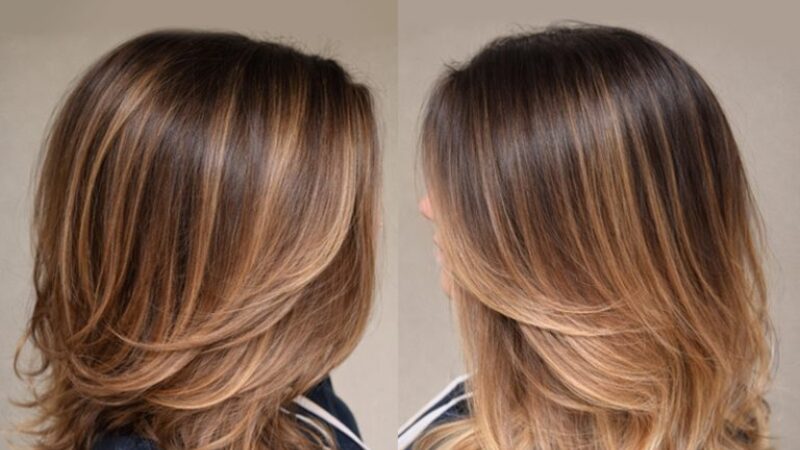
Previous dark hair dye can affect a full balayage service by making lightening less predictable, revealing unexpected warm tones, and creating uneven results where artificial pigment remains. Unlike naturally dark hair, previously colored hair may require additional assessment, color correction, or multiple appointments before achieving the desired brightness.
For clients in Scottsdale, AZ, transitioning from dark-colored hair to dimensional balayage involves understanding how existing artificial pigments influence the process. Professional colorists evaluate previous treatments, hair condition, and realistic color goals before recommending a suitable approach.
Why Does Previously Dyed Dark Hair Respond Differently to Balayage?
Natural dark hair and previously dyed dark hair can appear similar but behave differently during chemical lightening.
Natural hair contains melanin, which determines its original color. Professional lightening products alter these pigments to create a lighter appearance.
Previously dyed hair contains artificial color molecules introduced during earlier coloring services. These pigments can respond differently to lightening products depending on their composition, concentration, and processing history.
Natural Pigment Versus Artificial Pigment
When untreated dark hair is lightened, underlying warm pigments gradually become visible.
Previously colored hair introduces another variable because artificial pigments may remain within the strands even after the color appears to have faded.
For example, someone with naturally dark brown hair may respond differently from someone whose lighter natural hair was repeatedly colored dark brown.
Although both clients begin with a similar visible shade, their chemical histories can produce different lightening results.
Professional assessment helps identify these differences before balayage begins.
How Does Artificial Pigment Buildup Affect Lightening?
Artificial pigment buildup occurs when coloring products are applied repeatedly, particularly over previously colored lengths.
Over time, some sections may contain greater concentrations of artificial pigment than others.
This creates challenges when attempting to introduce lighter balayage highlights.
Repeated Dark Coloring
Consider someone who has maintained dark brunette hair for several years.
The roots may contain relatively recent color, while the ends have experienced numerous applications.
These differences can influence how consistently the hair lightens.
Sections with substantial artificial pigment may remain darker or reveal different tones compared with areas containing less buildup.
A colorist evaluates these variations before determining whether the requested brightness is realistic.
Previously Applied Box Dye
Box dye and professional color products can both leave artificial pigments in the hair.
The challenge is not simply where the product was purchased but understanding its formulation, application history, and interaction with previous treatments.
When the exact coloring history is unknown, predicting the response becomes more difficult.
A professional consultation may include additional assessment or strand testing to evaluate how the hair responds.
Why Can Dark Hair Reveal Orange or Red Tones During Balayage?
Dark hair contains underlying pigments that become increasingly visible during lightening.
Depending on the starting level and previous color history, these tones may appear red, red-orange, orange, gold, or yellow.
This progression is a normal consideration in professional hair coloring.
However, previously applied dark dye can influence how evenly these tones emerge.
Understanding Underlying Warmth
Someone hoping for cool caramel balayage may initially reveal strong orange undertones during lightening.
Those tones do not necessarily indicate an unsuccessful procedure.
They reflect the pigments exposed at the level of lightness achieved.
A professional colorist determines whether the existing brightness provides an appropriate foundation for the intended shade.
If the hair remains too dark, toning alone cannot create significantly lighter highlights.
Can Toner Eliminate Every Warm Tone?
Toner adjusts the appearance of existing lightened hair, but it does not automatically create additional brightness.
For example, a toner may help refine orange or yellow undertones when the hair has reached a suitable level.
However, applying cool pigments to inadequately lightened sections may produce a muted or overly dark appearance.
The appropriate approach depends on both the desired shade and the underlying color foundation.
Why Might a Full Balayage Develop Unevenly?
Uneven lightening can occur when different sections contain varying amounts of natural and artificial pigment.
Hair condition, porosity, previous treatments, and application history can also influence the outcome.
Differences Between Roots and Ends
Hair near the roots may contain less artificial pigment than older lengths.
Consequently, newer growth might lighten more readily than previously colored ends.
A uniform application approach may produce noticeably different brightness levels.
Professional balayage hair coloring considers these differences when developing an application strategy.
Previously Highlighted Sections
Some clients have darkened their hair after previously receiving blonde highlights.
Although the hair now appears uniformly dark, lighter sections may remain underneath the artificial color.
Those areas can respond differently during another lightening service.
A colorist must consider this hidden processing history when evaluating potential results.
Differences in Hair Porosity
Porosity describes how readily hair absorbs and releases moisture and other substances.
Chemical treatments can change these characteristics, particularly in previously lightened areas.
Hair with varying porosity may respond inconsistently to coloring and toning.
Professional assessment helps determine whether different sections require separate treatment considerations.
Can Previously Dyed Dark Hair Achieve Blonde Balayage?
Blonde balayage may be possible on previously dyed dark hair, but the achievable result depends on existing pigments and hair condition.
A dramatic transformation should not be assumed possible during one appointment.
Setting Realistic Brightness Goals
Someone with dark artificial color may initially achieve warm brunette or caramel dimension rather than pale blonde.
Further lightening could require additional appointments, depending on the hair’s response and condition.
The objective is not to reach a particular shade at any cost.
Professional colorists consider whether the desired transformation can be pursued without excessive chemical processing.
Why Multiple Appointments May Be Necessary
Significant lightening can involve gradually reducing existing pigment while monitoring hair condition.
When artificial color buildup is substantial, attempting the entire transformation immediately may create unnecessary risks.
Staged appointments can allow the colorist to reassess the result and determine whether further processing is appropriate.
However, multiple appointments do not guarantee that every requested shade will become achievable.
Some hair conditions may limit additional lightening.
How Does Hair Condition Influence Balayage Suitability?
Chemical lightening affects the hair fiber as well as its color.
Previously processed strands may have reduced strength, altered porosity, or existing breakage.
These factors influence whether additional lightening is appropriate.
Recognizing Processing Limitations
Hair that has undergone repeated bleaching, coloring, or chemical straightening may require particular caution.
A professional assessment considers the current condition rather than assuming that previously treated hair can tolerate another extensive service.
If significant weakness is present, postponing lightening or reconsidering the desired result may be appropriate.
Why Existing Highlights Matter
Previously highlighted hair can contain sections with different processing histories.
Applying additional lightener over already compromised areas may increase the risk of damage.
Professional placement planning helps identify where added brightness may be appropriate and which sections should avoid unnecessary overlap.
A balayage hair color treatment should reflect these individual considerations rather than follow identical processing decisions for every client.
How Do Colorists Plan Full Balayage on Previously Dyed Dark Hair?
A professional color consultation considers the client’s starting shade, previous coloring history, desired brightness, and existing hair condition.
For individuals researching full balayage dark hair, understanding these factors is essential before choosing a color direction.
Reviewing Color History
A consultation may explore whether the hair contains permanent dye, previous highlights, color correction, or other chemical treatments.
This history helps explain why apparently similar dark shades may behave differently during lightening.
Evaluating the Desired Result
Reference photographs help communicate preferred brightness, warmth, and placement.
However, the photographed result may have been created on hair with a different starting color or processing history.
Professional colorists use these references to discuss realistic alternatives when necessary.
Considering Strand Testing
When previous color history is complex or the hair’s response is uncertain, strand testing may help evaluate lightening behavior.
The findings can inform decisions about processing suitability and expected results.
Testing does not eliminate every risk, but it provides additional information before proceeding with extensive coloring.
When Might Color Correction Be Needed Instead?
Balayage introduces strategically placed brightness, but it cannot resolve every existing color problem.
Clients with widespread unevenness, heavy artificial pigment buildup, or significant color banding may require another approach.
Existing Color Banding
Color banding occurs when different sections display noticeable variations in shade or processing history.
Adding balayage without addressing these differences could make the unevenness more visible.
A professional may recommend color correction before attempting the desired dimensional finish.
Extremely Dark Artificial Pigment
Hair containing repeated applications of very dark dye may require additional pigment reduction before certain balayage goals become realistic.
The appropriate approach depends on the existing formulation and hair condition.
A consultation helps distinguish between suitable balayage placement and a more complex corrective service.
Why Does Professional Assessment Matter?
Previously dyed dark hair introduces variables that cannot be evaluated accurately through a desired-color photograph alone.
Artificial pigment buildup, underlying warmth, porosity, and previous processing all affect how the hair may respond.
Professional assessment helps establish realistic expectations while considering the limitations of existing hair condition.
For Scottsdale clients interested in transitioning toward dimensional brunette, caramel, or blonde shades, understanding these factors supports better decisions before scheduling a major color change.
Achieving Realistic Balayage Results on Dark-Colored Hair
Previous dark dye does not automatically prevent someone from receiving balayage, but it can make lightening more complicated.
A successful color plan depends on understanding artificial pigments, anticipating underlying warmth, evaluating uneven processing, and respecting the hair’s current condition.
Some clients may achieve their desired dimension during one appointment, while others may require a gradual transition or a revised color goal.
Professional consultation helps determine which approach is appropriate instead of assuming every dark-haired client can achieve identical results.
About Bravo Salon
Bravo Salon serves Scottsdale, Arizona, from 10614 N 71st Place, offering balayage, professional coloring, highlights, and color correction. Their salon team includes licensed stylists, with advanced color expertise represented among their professionals, and they emphasize individualized color planning. For service inquiries, call (480) 951-8076 or find their salon on Google Maps.