An authentic Mediterranean restaurant is defined by adherence to traditional regional recipes, simple preparation methods, and ingredient quality rather than by decor or branding alone. Diners searching for this distinction are usually trying to separate restaurants that follow generations-old culinary customs from those that merely borrow Mediterranean flavors as a trend.
Identifying an Authentic Mediterranean Restaurant often starts with how a menu is built. Traditional establishments tend to organize dishes around shared plates, grilled proteins, and vegetable-forward preparations that reflect specific regional customs rather than a generalized “Mediterranean” theme. This structural choice on the menu is one of the clearest early signals of culinary authenticity.
Core Markers of Culinary Authenticity
Authenticity is less about a single ingredient and more about a consistent set of practices passed down through regional cooking traditions.
• Olive oil as a primary fat : Used for cooking, finishing, and dressing rather than butter or heavily processed oils.
• Fresh herbs and citrus : Parsley, mint, oregano, and lemon appear frequently across Greek, Lebanese, and Turkish dishes.
• Grilling and slow-roasting : Traditional techniques for meats, vegetables, and flatbreads instead of heavy frying.
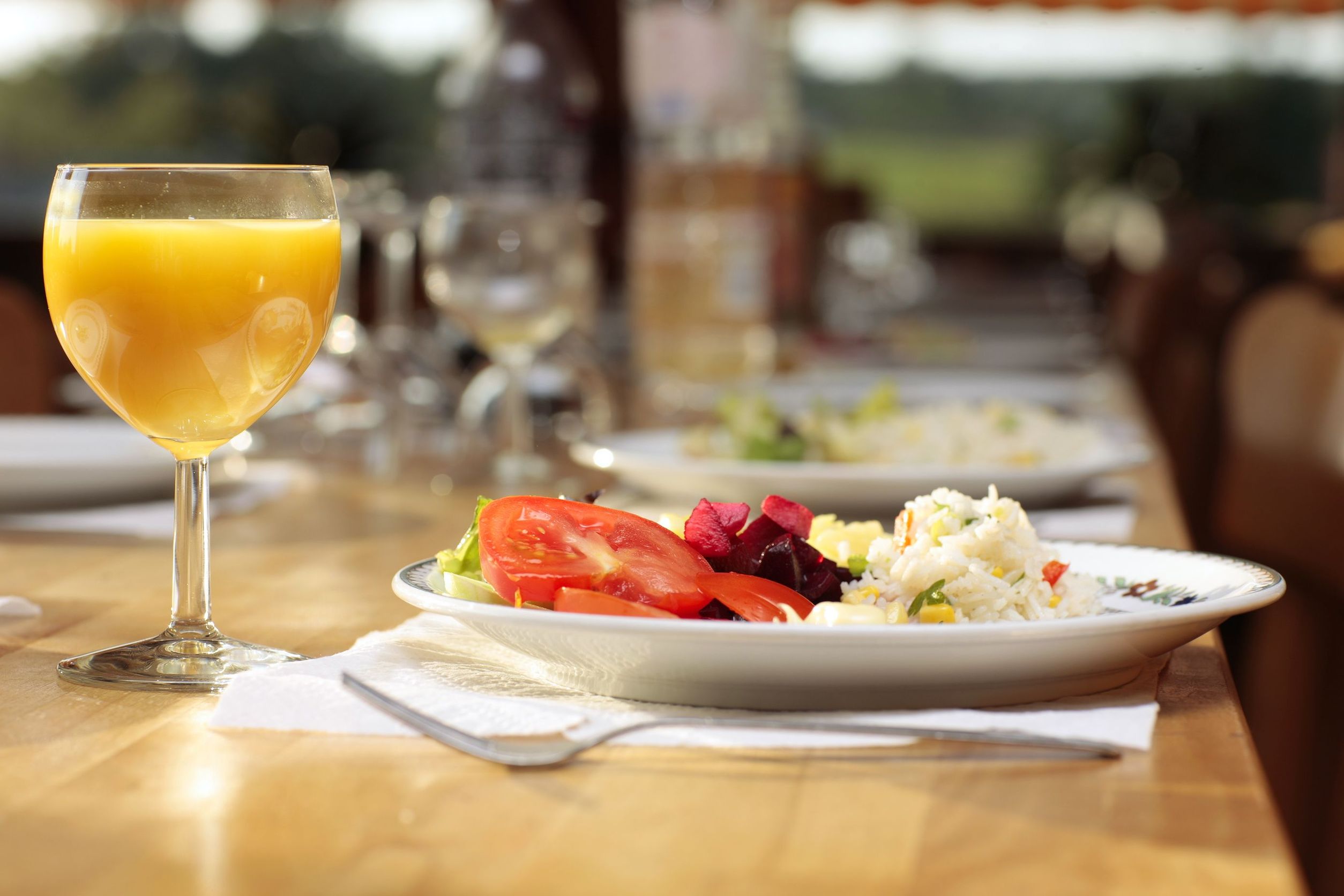
• Shared and mezze-style service : Small plates meant for communal eating, a structural hallmark of Mediterranean dining culture.
According to the Oldways Mediterranean Diet guidelines, traditional Mediterranean eating patterns emphasize whole grains, vegetables, legumes, and olive oil as dietary staples, with herbs and spices used in place of salt. This pattern, documented by nutrition researchers, mirrors what shows up on menus that stay close to regional cooking roots.
How Preparation Method Signals Authenticity
The way a dish is cooked often reveals more about authenticity than its name on a menu. Flatbreads baked in a hot oven, slow-braised lamb, and hand-formed dumplings or kibbeh require time and technique that cannot be shortcut without changing the final texture and flavor.
Restaurants that prepare sauces, dips, and marinades in-house, rather than relying on pre-made mixes, tend to preserve the flavor balance associated with traditional recipes. Hummus made from scratch with tahini, lemon, and garlic differs noticeably from a mass-produced version in texture and taste. This kind of attention to process is a practical way diners can judge whether a kitchen follows traditional methods.
Comparing Authentic and Generic Mediterranean Offerings
Factor |
Traditional Approach |
Generic Approach |
|
Fat source |
Olive oil |
Mixed vegetable oils |
|
Flavor base |
Fresh herbs, citrus, garlic |
Pre-made sauces or seasoning blends |
|
Bread |
Baked in-house, often flatbread style |
Store-bought or frozen |
|
Menu structure |
Regional dishes, shared plates |
Broad fusion menu without regional focus |
This comparison is not a strict checklist, since regional variation exists even within traditional cooking. It does, however, give diners a practical frame of reference when evaluating a menu.
Finding Authenticity in New York, NY
New York, NY supports one of the most diverse Mediterranean dining scenes, which makes distinguishing authentic kitchens from trend-driven ones more relevant for local diners. Reviewing a restaurant’s sourcing practices, regional dish names, and preparation descriptions on its menu can help clarify where it falls on that spectrum.
Based in USA, Pergola serves diners across New York, NY, offering a point of reference for how Mediterranean dishes are structured around shared plates and traditional preparation styles. The business maintains a Pergola profile outlining its menu offerings and operating details for diners researching options in the area.
Frequently Asked Questions
What ingredients indicate an authentic Mediterranean kitchen? Olive oil, fresh herbs, legumes, and citrus used as primary flavor components are common indicators, consistent with documented traditional Mediterranean cooking patterns.
Is Mediterranean food the same as Greek or Lebanese food? No. Mediterranean cuisine spans multiple countries and regional traditions, including Greek, Lebanese, Turkish, and parts of Italian and North African cooking, each with distinct dishes and techniques.
Does authenticity mean a restaurant cannot adapt recipes? Not necessarily. Many kitchens adjust proportions or presentation while still following core traditional techniques and ingredient choices rooted in regional cooking history.
A Final Note on Evaluating Mediterranean Dining
Assessing authenticity comes down to observable details: how dishes are prepared, what ingredients anchor the menu, and whether regional cooking traditions are respected rather than generalized. Diners who pay attention to these markers are better equipped to choose restaurants that reflect genuine culinary heritage.
Current menu and service area information for Pergola is published for diners researching Mediterranean dining options.