A roof replacement is a major home improvement project, but knowing what happens at each stage can make it easier to plan. If you are comparing options or preparing to request an estimate, searching for Residential roof replacement in Broomfield, CO can help you find services tailored to local homes and conditions.
Start With an Inspection and Written Estimate
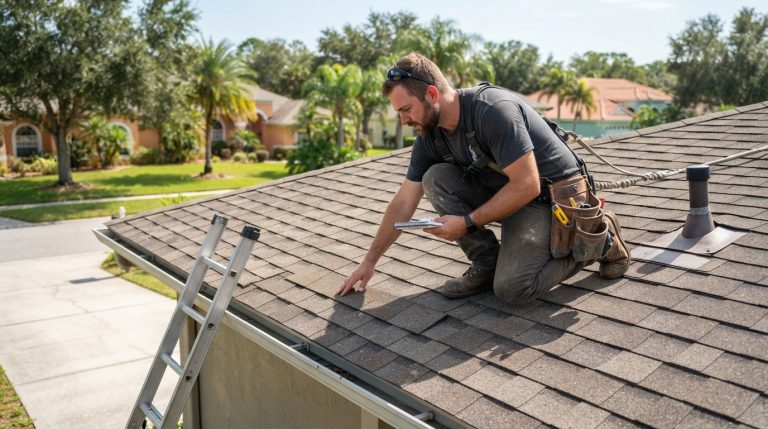
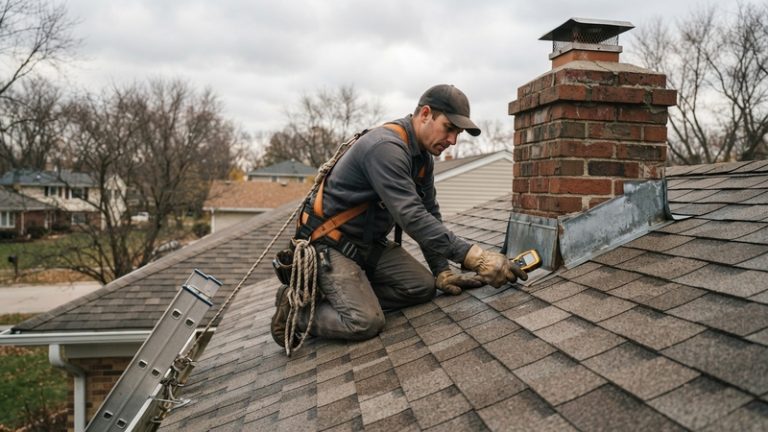
The process usually begins with a roof inspection. A qualified roofing professional will assess shingles or other roofing materials, flashing, ventilation, and visible signs of moisture or structural damage. They may also inspect the attic to look for leaks, inadequate airflow, or damaged decking. This evaluation helps determine whether a full replacement is needed and what work should be included.
Ask for a written estimate that clearly describes the materials, labor, project timeline, cleanup, and any potential additional charges. The estimate should also explain what happens if the crew finds hidden damage after removing the old roof. Comparing detailed proposals—not just bottom-line prices—makes it easier to understand the scope and avoid surprises.
Choose Materials for Colorado Conditions
Broomfield’s weather can bring strong sun, wind, snow, and fast-changing temperatures. Your roofing material should suit the home’s design while meeting local requirements and your budget. Asphalt shingles are a common choice, while metal and other roofing systems may offer different benefits in appearance, durability, and cost.
Ask about the product’s expected lifespan, wind resistance, warranty terms, and maintenance needs. Proper attic ventilation and underlayment matter, too. These components help manage heat and moisture, supporting the performance of the roof as a complete system rather than relying on shingles alone.
Prepare for Installation Day
Before work begins, confirm the schedule, the expected duration, and how weather could affect the project. Many replacements take one or more days, depending on roof size, complexity, material, and repairs. You may hear steady noise during tear-off and installation, so plan around work calls, naps, or pets that are sensitive to sound.
Move vehicles away from the work area and take fragile items off shelves or walls, since roof work can cause vibrations. Cover or move patio furniture and let the crew know about landscaping or access concerns. Ask where materials will be delivered and where workers will park.
Understand the Replacement Process
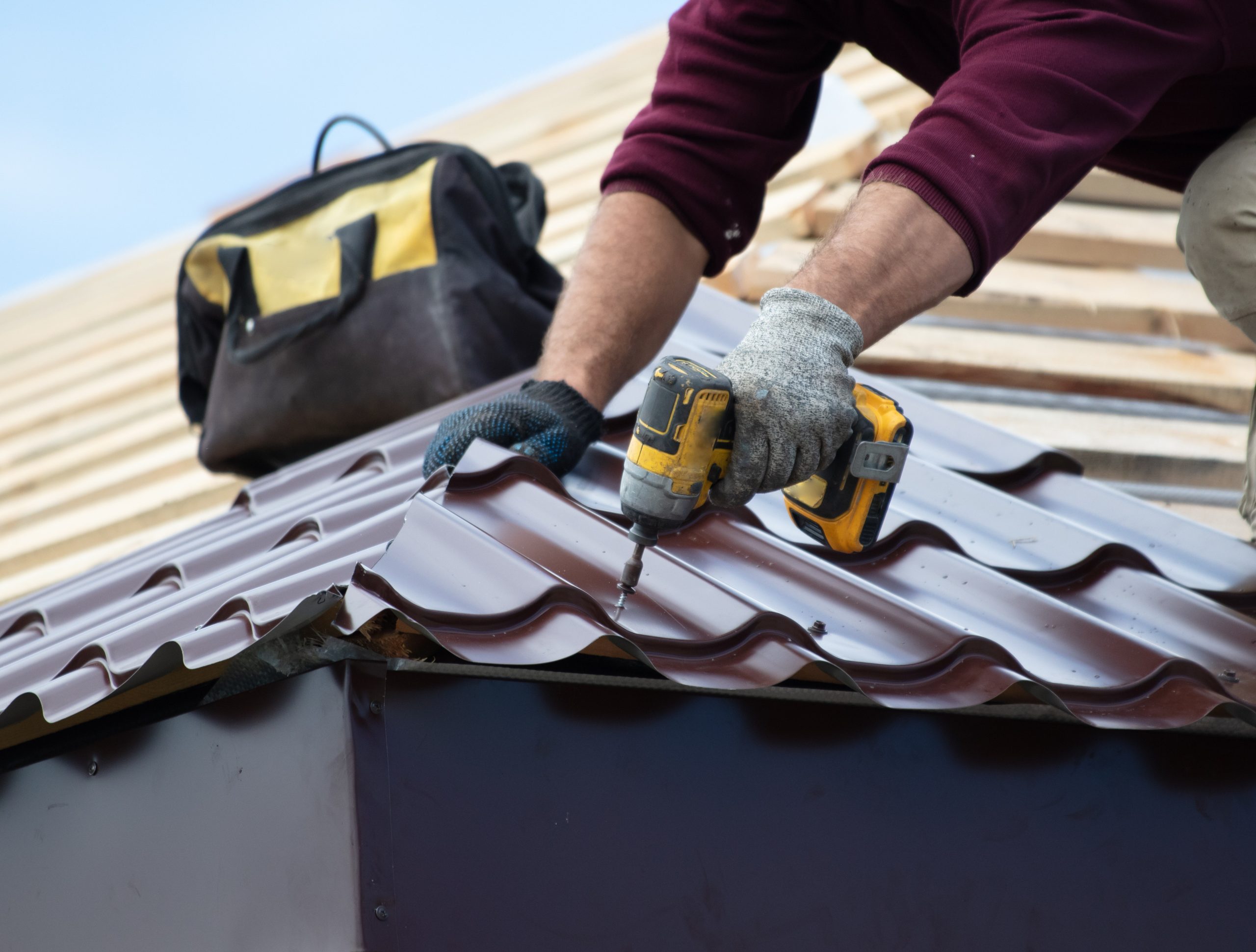
On installation day, the crew typically removes the existing roofing and checks the exposed decking. Damaged sections may need repair before the new system is installed. Next, installers add protective layers, flashing, and the selected roofing material, paying close attention to roof edges, valleys, chimneys, and vents—areas where water can enter if details are missed.
A reputable crew should protect the property during the job and collect debris as work progresses. After installation, workers generally inspect the finished roof and use magnetic tools to find stray nails around the home. Still, it is wise to check the yard and driveway yourself once the crew has finished.
Review the Finished Work
Before making final payment, review the completed work and ask for documentation, including warranty information and details about repairs. Confirm that the site has been cleaned and that any concerns have been addressed. Keep the estimate, contract, and maintenance recommendations with your home records.
With a clear proposal, suitable materials, and a careful final inspection, you can approach a roof replacement with confidence. Planning and asking specific questions helps protect your home, manage disruption, and ensure you understand what was installed and how to care for it.