Bottom line:
• Botox is a purified neuromodulator that temporarily blocks nerve signals to targeted facial muscles, softening lines caused by repeated expressions.
• Results typically appear within several days and last roughly three to four months before muscle activity gradually returns.
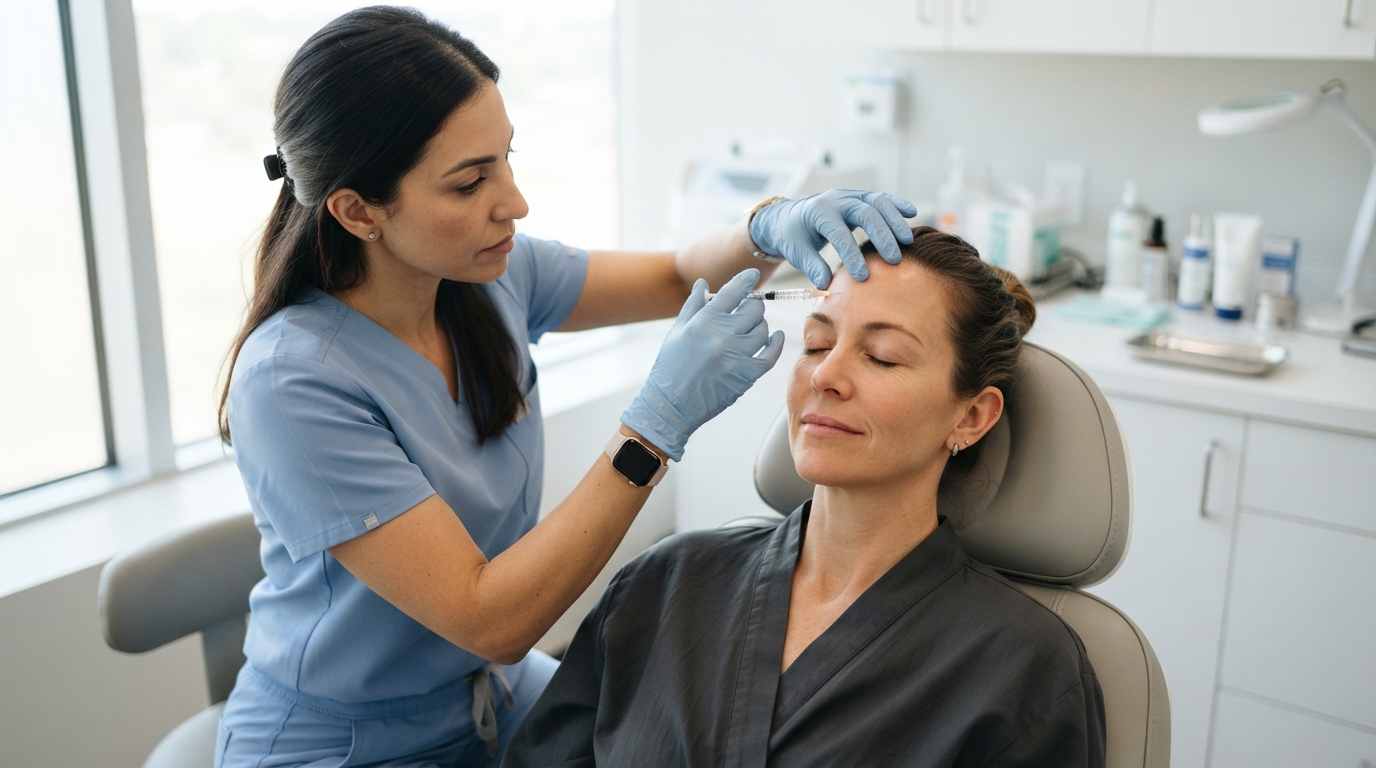
• Treatment is a quick, non-surgical option for dynamic wrinkles, often performed during an office visit with minimal downtime.
Botox works by interrupting the chemical signal that nerves send to muscles, which prevents the repeated contractions that create expression lines over time. This mechanism is the basis for Botox Grand Rapids MI treatments, which target specific facial muscles involved in frowning, squinting, or raised brows. Understanding how the injection interacts with nerve endings helps explain why results look natural rather than frozen when dosing is precise.
How the Injection Affects Facial Muscles
Botulinum toxin type A, the active ingredient in Botox, blocks the release of acetylcholine, a neurotransmitter that triggers muscle contraction. Without that signal, the targeted muscle relaxes and stops pulling the skin into a crease.
• The effect is localized to the injected muscle group, not the entire face.
• Surrounding muscles continue to function normally, which preserves natural movement elsewhere.
• Skin that was creased by repetitive motion gradually smooths as the muscle stays at rest.
This targeted action is why Botox is classified as a neuromodulator rather than a filler. It changes muscle behavior instead of adding volume.
Timeline: What Happens After Treatment
Results are not instant. The toxin needs time to bind to nerve endings and block signal transmission.
| Stage | Typical Timing | What to Expect |
| Initial onset | 2 to 4 days | Subtle softening begins |
| Full effect | 10 to 14 days | Maximum smoothing visible |
| Plateau | 1 to 3 months | Results remain stable |
| Fade | 3 to 4 months | Muscle activity gradually returns |
Because the effect wears off as nerve endings regenerate, repeat sessions are generally needed to maintain results. The American Academy of Dermatology notes that botulinum toxin injections are among the most commonly performed cosmetic procedures in the country, reflecting their established safety profile when administered by trained professionals.
Common Treatment Areas and Considerations
Botox is most frequently used on areas shaped by repetitive muscle movement rather than sun damage or volume loss.
1. Forehead lines caused by raising the eyebrows.
2. Frown lines between the brows, sometimes called glabellar lines.
3. Crow’s feet around the outer corners of the eyes.
Dosing varies by muscle strength and the depth of existing lines, which is why an in-person assessment matters more than a fixed formula. Weather does not significantly affect how Botox performs, but residents of Rapids, MI dealing with seasonal sun exposure during warmer months may notice that static lines from squinting respond differently than dynamic lines from expression alone. A qualified injector distinguishes between the two before recommending a treatment plan.
Based in the USA, Learn More About Hamzavi Dermatology serves patients in Grand Rapids, MI, who are exploring treatment options for expression lines. Understanding the difference between muscle-related wrinkles and volume-related changes can help patients determine whether Botox or an alternative treatment approach may be more suitable for their needs.
Frequently Asked Questions
Is Botox treatment painful? Most patients describe the sensation as a brief pinch, since the needle used is very fine and the injection itself takes only seconds per site.
How soon can results be seen? Initial changes often appear within two to four days, with full results visible by about two weeks after treatment.
Does Botox stop all facial movement? No. When dosed correctly, Botox relaxes only the targeted muscle group, leaving the rest of the face free to move naturally.
How often are treatments needed? Because muscle activity returns as the toxin wears off, most patients schedule follow-up sessions roughly every three to four months.