Hailstorms can move through the Denver area quickly, leaving damage that is easy to miss from the ground. Even small dents or loosened shingles may allow water to enter later, so a timely inspection matters. When homeowners search online for a residential roofing company in Denver, CO, they are often looking for practical help assessing the roof, documenting damage, and deciding what to do next.
1. Making the roof safe
After a storm, a roofing professional first considers immediate safety. Wind and hail can leave shingles, flashing, gutters, or roof-mounted equipment loose. A contractor may recommend temporary protection, such as a tarp, if the roof is exposed and rain is expected. Homeowners should avoid climbing onto a wet or damaged roof; a ground-level look is safer. Check for visible debris, dents in downspouts, or shingles in the yard, and take photos from a safe location.
If water is coming inside, move belongings away from the leak and place a container under dripping water. Contact a qualified roofer promptly to discuss temporary measures and limit further damage.
2. Inspecting for hail damage
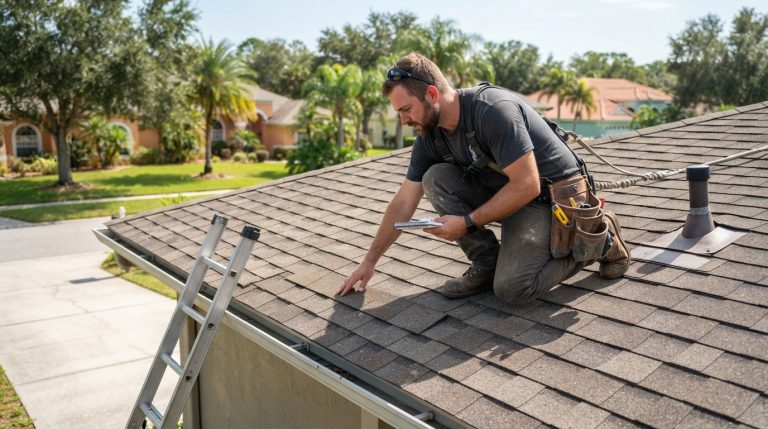
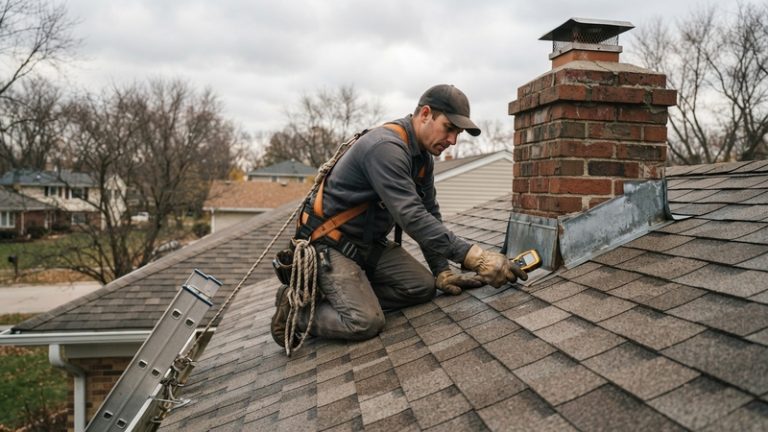
A thorough inspection goes beyond looking for obvious holes. The roofer checks shingles for bruising, cracks, granule loss, and impacts that may have weakened the material. They also examine soft-metal components, such as vents, flashing, gutters, and roof-edge details, for dents or other signs of impact.
The inspection may include the attic, where damp insulation, water stains, or daylight around roof penetrations can reveal a problem that is not visible outside. Hail damage can be subtle, and not every mark means a roof needs replacement. The contractor should explain what was found, distinguish storm-related damage from normal wear, and provide photos or notes to support the assessment.
3. Documenting damage and reviewing coverage
Clear documentation can help homeowners understand the scope of the work and communicate with their insurance company. A roofer may provide dated photos, inspection findings, and an estimate describing recommended repairs. Homeowners should review their policy, note the claim deadline, and contact their insurer directly if they intend to file.
An insurance adjuster may conduct a separate inspection. The homeowner can ask the roofing contractor to be available to discuss observed damage, but the insurer determines coverage under the policy. Approval is not guaranteed, and deductibles, exclusions, and roof age can affect the outcome. Keep copies of all estimates, inspection records, and claim communications.
4. Choosing repair or replacement
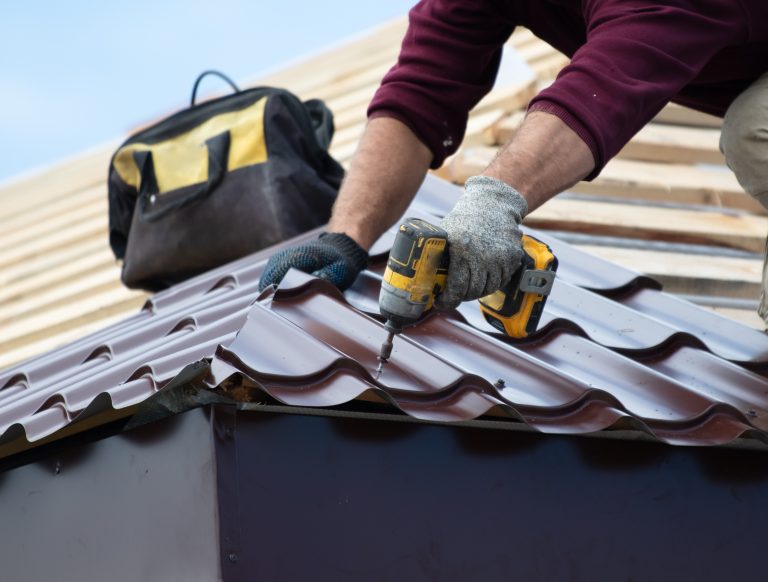
The right solution depends on the roof’s condition, material, age, and the extent of the damage. A limited area of affected shingles may be repairable, while widespread impact or compromised underlayment may call for a larger project. A responsible contractor explains the options, materials, costs, and expected timeline before work begins.
Ask for a written scope that identifies the work to be performed, cleanup expectations, and warranty details. Confirm that the crew will protect landscaping and remove roofing debris. Once repairs or replacement are complete, request a final walkthrough and keep the paperwork for future reference.
Staying ahead of the next storm
Prompt inspection, careful documentation, and a clear understanding of repair options make hail damage easier to manage. Watch for ceiling stains or recurring leaks after the storm, even if the roof looked intact from the ground. Acting early can help prevent a small problem from becoming costly interior damage and gives you a clearer basis for deciding on the next step.