Briefly:
• Vinyl flooring (LVP/LVT) is water-resistant, durable, and suited to kitchens, bathrooms, and high-traffic rooms.
• Proper subfloor prep and acclimation are the most common factors separating a long-lasting installation from early failure.
• Routine maintenance is simple: sweep, damp-mop, and avoid excess standing water or abrasive cleaners.
Vinyl flooring refers to resilient, water-resistant plank or tile flooring made from PVC layers, commonly sold as luxury vinyl plank (LVP) or luxury vinyl tile (LVT). It installs over most existing subfloors and withstands moisture better than hardwood or laminate, making it a practical choice for kitchens, bathrooms, and entryways.
Vinyl Flooring has become one of the most requested flooring categories for homeowners replacing worn carpet or outdated tile, largely because it combines a realistic wood or stone look with a lower maintenance burden. Homes in Lexington, KY often deal with seasonal humidity swings and clay-heavy soil conditions that can affect subfloor moisture, which makes material selection and installation technique especially relevant for long-term performance.
What Makes Vinyl Flooring a Practical Choice
Vinyl plank and tile products are built in layers, typically a wear layer, a printed design layer, and a rigid or flexible core. This layered construction gives the material its resistance to scratches, dents, and water infiltration compared to natural wood.
Key characteristics worth noting before purchasing:
• Water resistance: Most LVP and LVT products tolerate spills and humidity without warping, unlike solid hardwood.
• Thickness and wear layer: Thicker wear layers (typically measured in mil) generally hold up better in high-traffic areas.
• Installation method: Options include click-lock floating floors, glue-down, and loose-lay systems, each suited to different subfloor conditions.
• Underlayment needs: Some products include attached padding; others require a separate underlayment for sound dampening and comfort underfoot.
Installation Steps and Subfloor Preparation
Subfloor condition is the single biggest factor in how well vinyl flooring performs over time. A subfloor that is uneven, damp, or contaminated with debris can cause seams to separate or planks to shift.
1. Acclimate the flooring. Vinyl planks should sit in the installation room for the manufacturer-recommended period, usually 48 hours, to adjust to indoor temperature and humidity.
2. Inspect and level the subfloor. Fill low spots and sand high spots; manufacturers typically require flatness within 3/16 inch over a 10-foot span.
3. Check moisture levels. Concrete subfloors should be tested for moisture content before installation, since excess moisture can affect adhesives and core stability.
4. Lay underlayment if required. This step is skipped for products with pre-attached padding.
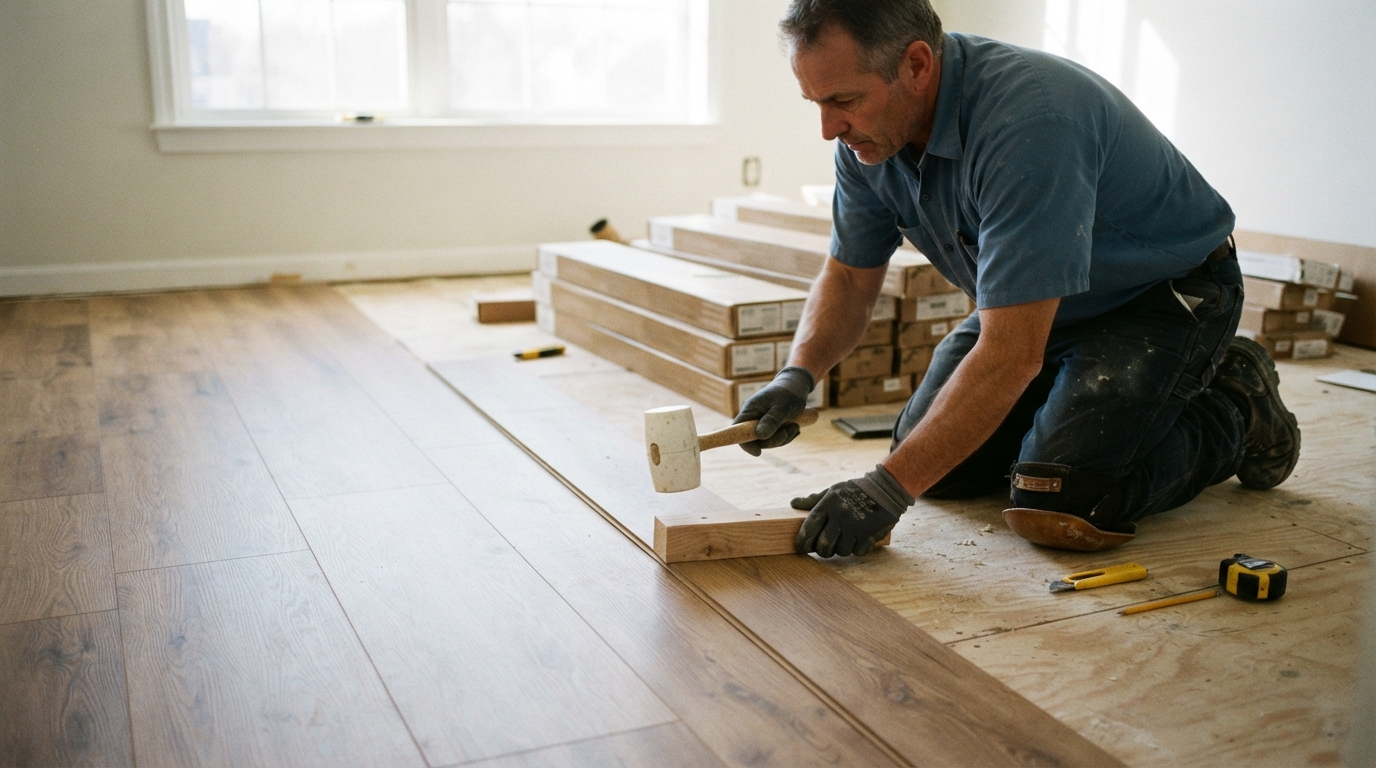
5. Install planks or tiles. Stagger seams according to manufacturer instructions to reduce visible pattern repetition and improve structural integrity.
6. Trim and finish edges. Transition strips and baseboards cover expansion gaps, which are necessary because vinyl expands and contracts with temperature changes.
Indoor air quality guidance from the EPA notes that flooring installed near water sources should be fully sealed at the joints to reduce the potential for microbial growth beneath the surface.
Vinyl Flooring Compared to Other Resilient Options
| Feature | Vinyl (LVP/LVT) | Laminate | Hardwood |
| Water resistance | High | Low to moderate | Low |
| Typical installation | Click-lock, glue-down, loose-lay | Click-lock floating | Nail-down or glue-down |
| Maintenance | Sweep and damp-mop | Sweep, avoid excess water | Sweep, periodic refinishing |
| Best suited rooms | Kitchens, baths, basements | Living rooms, bedrooms | Living rooms, dining rooms |
Maintaining Vinyl Flooring Long-Term
Routine care keeps vinyl flooring looking consistent without extensive labor. The wear layer resists scuffs, but grit and sand can dull the surface finish over time if left unaddressed.
• Sweep or vacuum (without a beater bar) regularly to remove grit before it scratches the surface.
• Damp-mop with a manufacturer-approved cleaner; avoid soap-based or wax products that leave residue.
• Wipe spills promptly, especially around seams, to limit moisture reaching the subfloor.
• Use felt pads under furniture legs to prevent indentation from concentrated weight.
• Avoid steam mops, which can force moisture beneath planks and compromise adhesives.
Frequently Asked Questions
How long does vinyl flooring typically last? Lifespan varies by wear layer thickness and foot traffic, with many residential products rated for extended use when installed and maintained correctly, though manufacturer warranties vary by product line.
Can vinyl flooring be installed over existing tile or hardwood? In many cases yes, provided the existing surface is flat, clean, and structurally sound; significant unevenness or damage typically requires leveling or removal first.
Is professional installation necessary for vinyl flooring? Click-lock vinyl is often DIY-friendly, but glue-down installations, complex room layouts, or subfloor repairs generally benefit from professional handling to avoid seam or adhesion issues.
Does vinyl flooring require a moisture barrier? Concrete subfloors, particularly in basements, often require a moisture barrier or vapor-retarding underlayment depending on the product and site conditions.
Final Notes and Local Considerations
Based in USA, Mees Tile & Marble serves customers across Lexington, KY.
A current list of flooring materials, including vinyl plank and tile options, is published for review; readers can Learn More About Vinyl Flooring directly from that collection page.