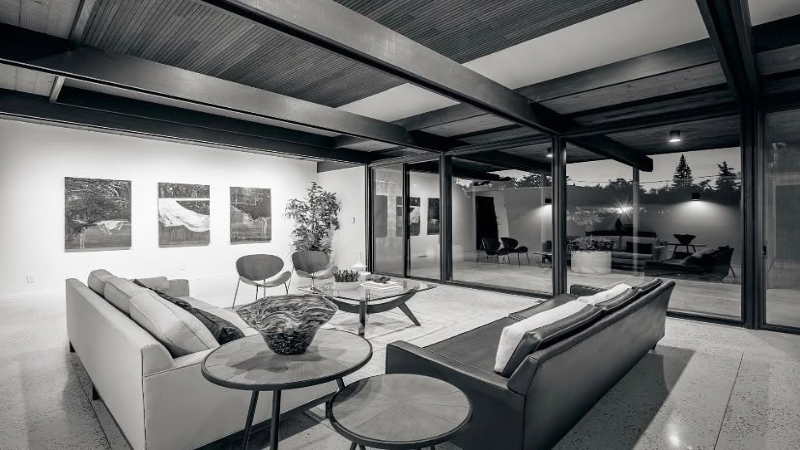
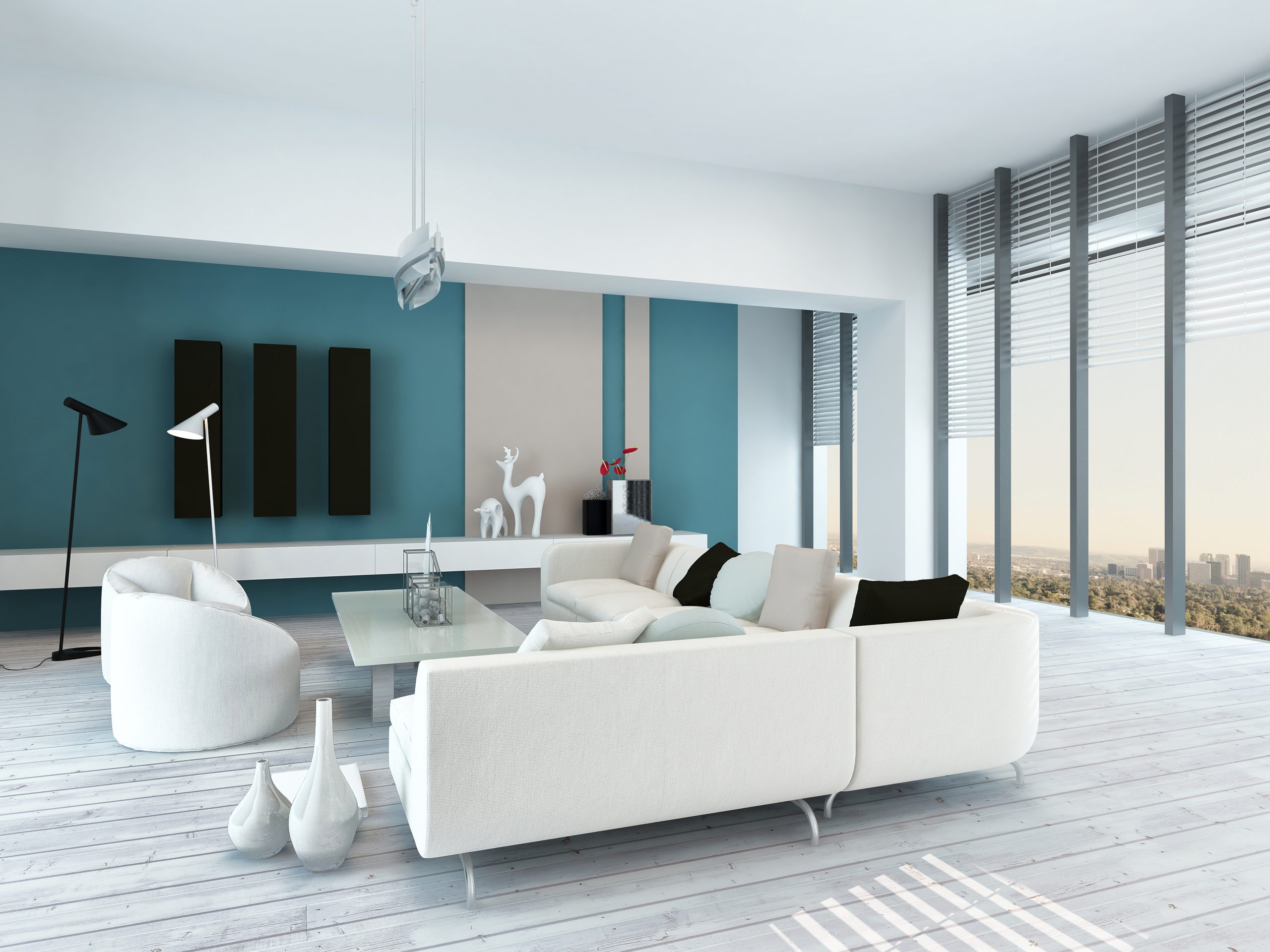
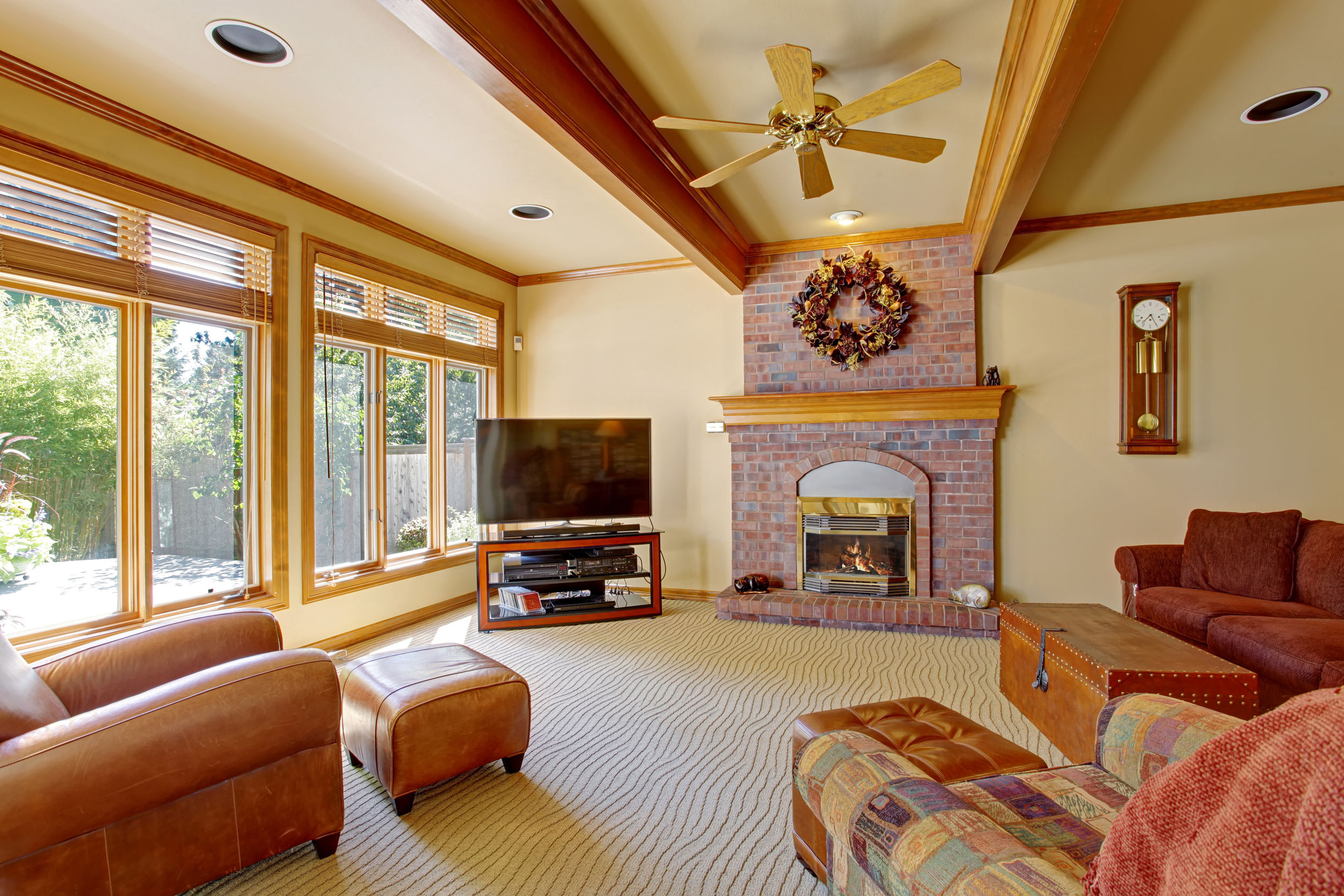
If staging every room is not practical, the better question is not how many rooms you can furnish. It is which spaces do the most work in helping buyers understand the home.
For a Fresno-area seller working with a limited staging budget, that usually means concentrating first on the rooms that establish the home’s overall impression, show how its main living areas function, or solve questions that an empty or awkward space may create. A secondary bedroom with an obvious purpose may need less attention than an undefined bonus room, for example.
Current market conditions also support making those choices deliberately. The California Association of REALTORS® September 2026 county table reports Fresno with a 4.2-month Unsold Inventory Index and a median time on market of 24 days, compared with 3.7 months and 26 days in September 2025. Those figures describe the local market rather than the effect of staging, but they provide useful context for sellers deciding how to prepare a property before listing. C.A.R.’s September 2026 housing report provides the underlying county data.
Start With the Main Living Space
For many homes, the main living room deserves the first share of a limited staging budget because it is a central space for understanding scale, circulation, and everyday use.
The goal is not to fill the room with furniture. Instead, use enough furniture and décor to establish a clear arrangement. Buyers should be able to see where a seating group belongs, how people can move through the room, and which architectural features deserve attention.
This priority becomes particularly useful when the room is vacant. Without furniture as a scale reference, it may be harder to interpret where a sofa, chairs, tables, and other major pieces could fit. A restrained arrangement can demonstrate function without making the room feel crowded.
If the home has an open floor plan, the living area can become even more important because its arrangement may also help define neighboring dining or kitchen zones. Sellers who want professional guidance can review The Avenue Home Staging for information about its staging services in the Fresno area.
Give the Kitchen Focus Without Trying to Furnish It
A kitchen is different from a vacant living room because its built-in features already establish its basic purpose. That means staging dollars generally do not need to be spent there in the same way they would be in an empty living space.
Instead, prioritize presentation. Clear excessive items from countertops, remove visual distractions, and use a limited number of accessories where they help the space feel intentional. The objective is to let buyers see the counters, cabinetry, work areas, and circulation clearly.
If the kitchen includes an island or breakfast area, a few carefully selected pieces can also clarify how that feature is intended to function. This is a good example of why room priority should not simply mean adding more objects to the most important rooms. Sometimes the stronger staging decision is subtraction.
Stage the Primary Bedroom Before Secondary Bedrooms
When the budget does not cover every bedroom, the primary bedroom generally deserves attention before secondary sleeping spaces.
A bed, appropriate bedside pieces, and a few restrained finishing elements can establish the room’s scale and make its intended layout immediately understandable. The arrangement should also preserve clear paths around the room rather than attempting to demonstrate every possible furniture option.
Secondary bedrooms can then be evaluated individually. Ask whether an empty room is easy to understand from its proportions, windows, closet, and position in the floor plan. If its function is already obvious, it may not require the same investment.
This creates a useful distinction: staging priority is not necessarily the same as room count. One well-defined primary bedroom may contribute more to the overall presentation than furnishing several similar secondary rooms.
Prioritize Rooms That Buyers Might Not Immediately Understand
After the living room, kitchen, and primary bedroom, move away from a fixed room-by-room hierarchy and look for uncertainty.
A room that could be mistaken for a hallway extension, oversized landing, dining area, office, or bonus space may benefit from staging precisely because its purpose is not self-evident. The Avenue Home Staging’s supplied service information describes functional staging as a way to define uses such as a home office, living room, or dining area.
For each remaining space, consider:
- Is the room’s purpose obvious when it is empty?
- Does its size make furniture placement difficult to judge?
- Does it connect two other spaces in a way that makes circulation unclear?
- Is there an unusual corner, alcove, or layout feature that needs context?
- Would a small amount of furniture make the room easier to understand?
A “yes” to several of those questions can move an otherwise secondary room higher on the staging list.
Treat the Entry as a Transition, Not a Separate Decorating Project
An entry area may be physically small, but it establishes the transition into the rest of the home. It therefore deserves review even when it does not justify a large share of the staging budget.
Keep circulation open and make sure furnishings do not interfere with the natural route into the main living areas. If the entry is large enough to feel undefined, a limited piece such as a console or other appropriately scaled furnishing may help establish its function.
The priority here is clarity rather than decoration. Spending heavily on an entry while leaving an important living space confusing would work against the purpose of a room-prioritization plan.
Let the Home’s Specific Weak Points Change the Order
A standard priority list is a starting point, not a rule for every property. The most useful staging plan responds to what buyers will actually need help interpreting in that particular home.
Suppose the living room already contains appropriately scaled furniture and has an obvious layout, while a large vacant bonus room has no clear function. In that case, improving the bonus room may deserve more of the remaining budget than replacing an already effective living-room setup.
The same reasoning applies to occupied homes. Existing furniture can sometimes provide the needed scale and function, while another room may require editing, rearrangement, or a clearer purpose.
When comparing rooms, rank them according to three practical questions:
- How important is this space to understanding the home?
- How difficult is the room to interpret in its current condition?
- How much can a focused staging change clarify its function, scale, or layout?
This approach keeps affordable home staging focused on decisions rather than on trying to give every room equal treatment.
Build a Priority Plan Before Choosing Furnishings
Once the important rooms have been identified, divide them into tiers instead of treating the entire house as one staging project.
A simple working order could look like this:
- Essential spaces: the main living area, primary bedroom, and any room whose function is seriously unclear.
- Presentation-focused spaces: the kitchen, entry, dining area, and other rooms that may need editing or a few carefully selected details rather than full furnishing.
- Lower-priority spaces: secondary bedrooms and other areas whose function and scale are already easy to understand without extensive staging.
The exact order should change with the property. A dedicated dining room with unusual proportions might rank above a straightforward secondary bedroom. A vacant office nook could deserve attention if buyers might otherwise overlook how it can be used.
Professional home stagers can also evaluate the property as a whole rather than making room decisions in isolation. The Avenue Home Staging’s supplied service information says its staging approach is personalized to each property and begins with a consultation. That type of property-specific assessment can help determine where limited staging resources should be concentrated.
About The Avenue Home Staging
The avenue home staging provides home staging services for homeowners in and near Fresno, with supplied website information also describing work across the Central Valley. Its services include staging plans intended to define spaces and present a property’s layout and function clearly. Fresno-area sellers can also review the company’s Google business profile or call (559) 240-6816.