Bottom line:
• Engineering fabrication covers cutting, shaping, welding and finishing metal into components or structures based on technical drawings.
• Core processes typically include laser cutting, CNC punching, folding, welding and surface finishing, each suited to different materials and tolerances.
• UK fabrication work is governed by HSE regulations covering machinery guarding, welding fume control and material handling.
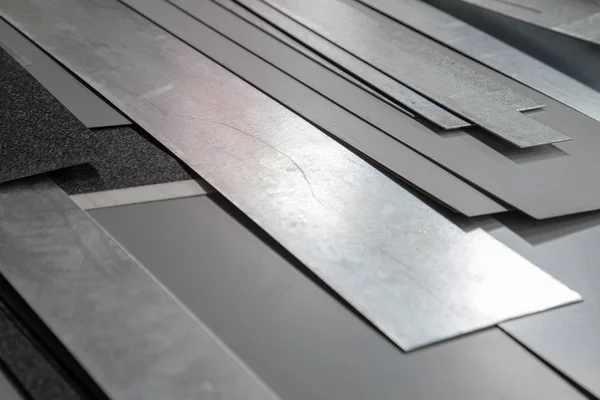
Engineering fabrication is the process of converting raw metal stock into finished parts or assemblies through cutting, forming, joining and finishing operations guided by technical specifications. The term covers a sequence of manufacturing steps rather than a single technique, and the exact combination of processes used depends on the material, the design tolerances and the intended application.
Engineering fabrication by SAMS fabrications typically begins with material selection, since stainless steel, aluminium, mild steel, copper and brass each behave differently under cutting and welding conditions. View SAMS Fabrications on Google Maps lists the business as a sheet metal fabrication company operating from Norwich, Norfolk, working across these material types for clients in various industries.
Core Stages of the Fabrication Process
Fabrication projects generally move through a defined sequence of operations, even when the finished part is simple. Each stage affects the accuracy and durability of the final component.
• Design and drawing review : specifications are checked against material properties and machine capability before production starts.
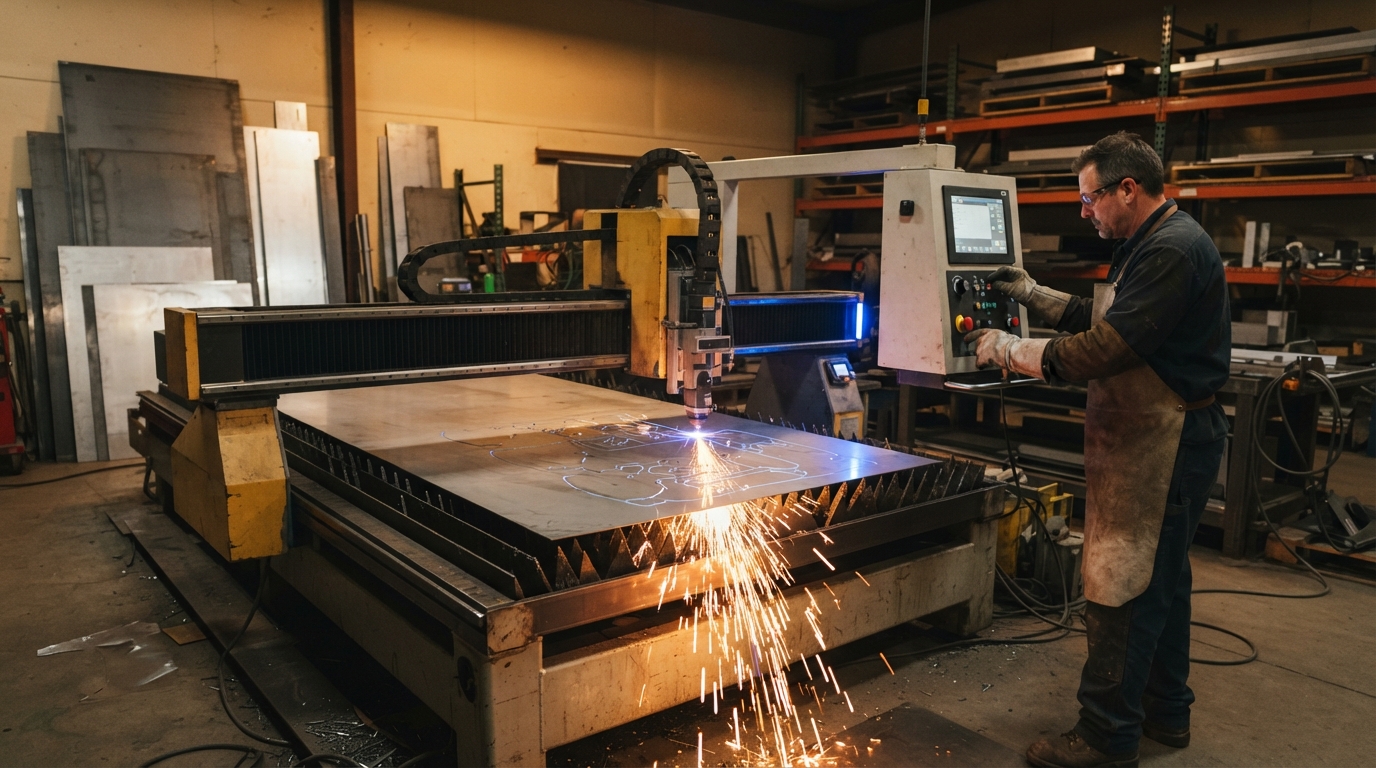
• Cutting : laser cutting or shearing separates material to the required shape and size.
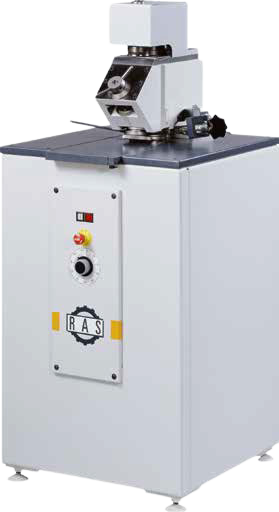
• Forming : CNC punching, folding and rolling shape flat stock into three-dimensional parts.
• Joining : welding or assembly combines separate pieces into a single structure.
• Finishing : polishing, bead blasting or powder coating prepares the surface for its final environment.
This layered approach means a single workshop can usually handle a project from raw sheet to finished component without passing work between multiple suppliers.
Materials and Their Fabrication Requirements
Different metals respond differently to cutting, bending and welding, which is why material choice shapes the rest of the fabrication plan.
| Material | Typical Use Case | Fabrication Consideration |
| Stainless steel | Catering equipment, marine fittings | Resistant to corrosion; requires careful heat control when welding |
| Aluminium | Lightweight brackets, enclosures | Lower melting point; needs specific welding techniques |
| Mild steel | Structural frames, general brackets | Cost-effective; often finished with coatings to prevent rust |
| Copper and brass | Decorative or specialist fittings | Softer material; suited to detailed or restoration work |
Selecting the correct material early avoids rework later in the process, particularly when a finished part will face outdoor or washdown conditions.
Safety and Regulatory Context in the UK
Fabrication workshops across the UK operate under specific legal duties designed to protect workers from machinery, fume and material handling risks. The Health and safety executive sets out requirements for controlling welding fume exposure, noting that effective ventilation is needed because natural airflow from doors and windows is rarely sufficient to clear fume from a workshop.
Employers running fabrication operations are also expected to address risks beyond welding fume:
• Guarding and maintenance of cutting, punching and folding machinery.
• Risk assessments covering manual handling, noise and vibration exposure.
• Training requirements so operators understand safe handling and storage procedures for heavy or sharp stock.
These obligations apply to fabrication businesses operating anywhere in the UK, regardless of the specific metals or processes involved.
Choosing a Fabrication Approach for a Project
The right process combination depends on part geometry, order volume and the finish required. A single prototype bracket may only need laser cutting and folding, while a production run of enclosures could require punching, welding and a protective coating. Reviewing drawings against available machine capability before committing to a process avoids unnecessary delays once production begins.
Frequently Asked Questions
What is the difference between fabrication and machining? Fabrication builds parts from sheet or stock material through cutting, forming and joining, while machining removes material from a solid block to reach a final shape.
How long does a typical fabrication project take? Timescales vary with part complexity, material availability and order quantity, so turnaround is generally confirmed once drawings and specifications are reviewed.
Can fabrication workshops handle both one-off and batch orders? Many workshops are set up to produce single prototypes and larger production runs using the same core equipment, adjusting setup time rather than the process itself.
Does the material affect the finishing options available? Yes, finishing methods such as polishing, bead blasting or powder coating are selected based on how a given metal responds to each treatment and the environment the part will face.
Closing Thoughts
Engineering fabrication brings together material science, machine capability and regulatory compliance into a single production chain, from the first drawing review through to final finishing. Understanding how each stage affects cost, durability and turnaround helps anyone commissioning metalwork ask more informed questions before a project begins.
SAMS Fabrications operates from Norwich, Norfolk, working with stainless steel, aluminium, mild steel, copper and brass for clients across the UK.
Published details for View SAMS fabrications on google maps include the workshop’s location and operating hours.