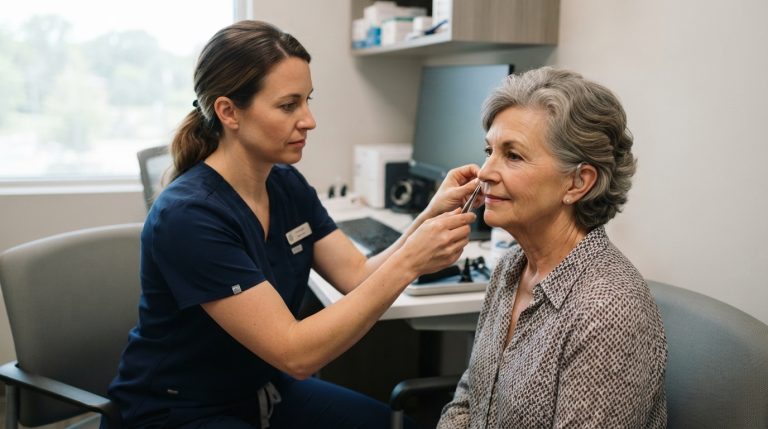
What Is Dementia and How Does It Affect Daily Life?
Dementia is an umbrella term for a group of symptoms associated with the decline of cognitive function. Alzheimer’s disease is the most common form, but there are several types of dementia, each with its own set of challenges. Symptoms can include:- Memory loss
- Confusion and disorientation
- Difficulty communicating
- Challenges with daily activities like dressing, bathing, and eating
How Do In-Home Caregivers Assist Seniors with Dementia?
In-home caregivers offer specialized support for seniors with dementia, helping them manage daily tasks and maintain as much independence as possible. The level of care needed will vary based on the stage of dementia and the senior’s individual needs.1. Personal Care Assistance
At all stages of dementia, personal care becomes a critical component of caregiving. Elderly caregiver services help with activities of daily living, including:- Bathing and grooming
- Dressing
- Toileting and incontinence care
- Meal preparation and feeding
2. Creating and Maintaining Routines
One of the most important aspects of dementia care is establishing and maintaining consistent daily routines. People with dementia often feel anxious or confused when their routines are disrupted. Caregivers can create a structured environment, helping individuals feel more secure and comfortable by following set schedules for meals, activities, and rest. A caregiver might:- Set up a consistent schedule for eating, sleeping, and medication
- Encourage engaging in regular activities to promote cognitive function and well-being
- Keep the environment calm and organized to reduce confusion
How Caregivers Help with Communication and Memory
Communication challenges are common for those with dementia, and caregivers play an important role in facilitating communication while also ensuring that individuals feel heard and understood. Some ways in which caregivers assist include:- Using clear, simple language to avoid confusion
- Encouraging engagement in conversations and activities that help stimulate memory
- Providing emotional support by responding with patience and understanding
Why Routine Monitoring and Medication Management Are Key
As dementia progresses, individuals may need help managing medications, which can become complicated as cognitive function declines. Caregiver assistance for seniors includes ensuring that the correct medications are taken at the right times, reducing the risk of missed doses or harmful drug interactions. In-home caregivers will:- Keep a medication schedule and provide reminders
- Monitor potential side effects and communicate with healthcare professionals
- Adjust routines based on the individual’s health status
The Importance of Emotional and Social Support
In addition to physical assistance, seniors with dementia often experience feelings of isolation and depression. Elderly caregiver services can play a significant role in reducing these emotions by providing companionship, social interaction, and emotional support. Caregivers can:- Engage in stimulating activities like reading, puzzles, or crafts
- Offer companionship and create a meaningful connection through conversation
- Provide reassurance during moments of confusion or agitation