Short version:
• Performance-based educational travel combines curriculum-aligned travel with hands-on arts instruction for school music, dance, and theatre groups.
• Programs typically include workshops, master classes, and performance opportunities led by industry professionals at notable venues.
• Planning, logistics, and payment scheduling are handled for school directors so students can focus on performing and learning.
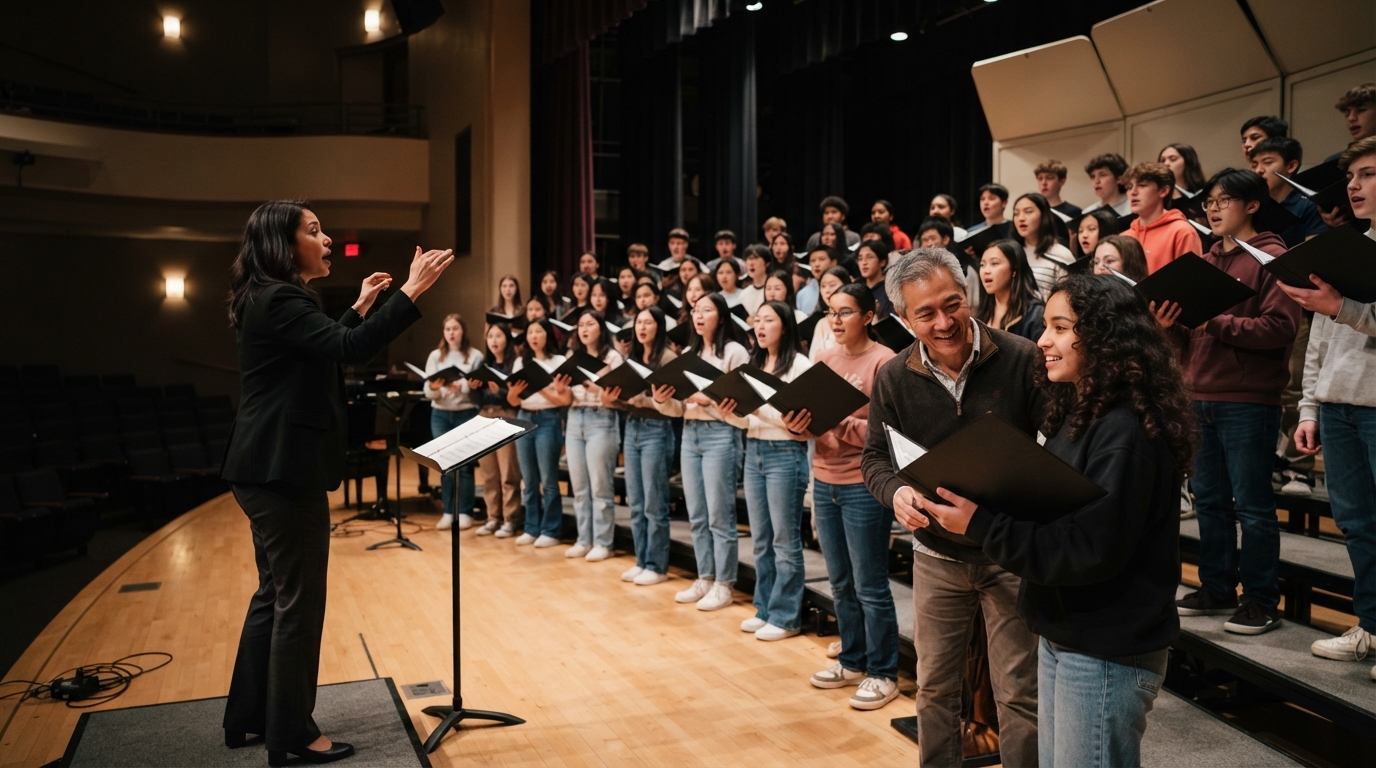
Student travel built around live performance gives young musicians, dancers, and actors a chance to apply classroom instruction in real venues, working alongside professional artists and educators. This approach to Educational Performance Tours by EPT pairs curriculum goals with structured, hands-on arts experiences that a traditional classroom setting cannot replicate.
Educational Performance Tours is one example of an organization built around this model, coordinating tours for school band, choir, orchestra, dance, and theatre programs. Programs are structured around specific artistic disciplines rather than generic sightseeing, which shapes how schools evaluate and select a travel partner.
What Performance-Based Educational Travel Includes
Performance tours for school groups generally combine several structured components rather than a single activity.
• Master classes and workshops: Sessions led by working professionals in music, dance, or theatre, often tied to a specific technique or repertoire.
• Performance opportunities: Scheduled time on a stage or at a festival, sometimes including formal adjudication or feedback from clinicians.
• Logistics coordination: Transportation, lodging, meals, and itinerary planning handled on behalf of the school or program director.
• Payment structuring: Scheduled payment options designed around a group’s budget and planning timeline.
These elements are intended to connect a school’s existing curriculum with direct, applied experience in front of working artists and audiences.
Why Schools Choose Structured Travel Over Independent Trip Planning
Band, choir, and theatre directors face logistical demands that extend well beyond artistic preparation. Independent trip planning requires securing venues, vetting clinicians, managing multiple vendor contracts, and building a schedule that still leaves rehearsal time intact.
Working with a dedicated travel partner shifts much of that administrative load away from the director:
1. Venue and performance scheduling is coordinated in advance of the trip.
2. Clinicians and guest artists are already vetted and booked.
3. Transportation and lodging are bundled into a single itinerary.
4. Budget planning accounts for group size and program goals from the outset.
Academic literature on field-based learning supports the underlying rationale for this kind of travel. A review published through the Education Resources Information Center found that experiential learning at formal and informal field trip venues increases student interest, knowledge, and motivation. The same review notes that field trips take students to locations that are unique and cannot be duplicated in the classroom, a point directly relevant to performance tours that place students on stages or in rehearsal spaces unavailable at their home school.
Comparing Travel Planning Approaches
Planning Approach |
Venue Access |
Director Workload |
Budget Predictability |
|
Independent, school-organized trip |
Limited to existing contacts |
High |
Variable |
|
General travel agency |
Inconsistent for performing arts |
Moderate |
Moderate |
|
Dedicated performance tour coordination |
Established festival and venue relationships |
Reduced |
Structured payment scheduling |
This comparison reflects general planning differences rather than guaranteed outcomes, since costs and availability shift by destination, season, and group size.
Planning Considerations for Directors
Before committing to a tour, directors typically weigh a few practical factors:
• Program fit: Whether the tour’s artistic focus (music, dance, or theatre) matches the group’s discipline and skill level.
• Timeline: How far in advance planning must begin relative to the school calendar and festival deadlines.
• Documentation: What is included in a written itinerary, including performance venues and clinician credentials.
Programs operating nationally, including those based in the USA, generally structure these details into a proposal before a group commits to travel dates.
Frequently Asked Questions
What age groups typically participate in performance-based educational tours? Programs are generally designed for middle school, high school, and collegiate music, dance, and theatre groups traveling as organized school ensembles.
How far in advance should a school start planning a performance tour? Many festival and venue bookings require lead time of several months to a year, particularly for competitive adjudicated events or high-demand destinations.
Are performance tours only for music programs? No. Dance and theatre programs are also common participants, with workshops and performance opportunities structured around each discipline’s specific skills.
Do these tours replace a school’s existing curriculum? No. They are designed to supplement classroom instruction with applied, real-world performance experience rather than substitute for regular coursework.
Give your students the opportunity to grow as performers through educational travel experiences that bring classroom learning to professional stages and workshops. Educational Performance Tours coordinates performance-based trips for school band, choir, orchestra, dance, and theatre groups, helping directors organize performance opportunities, hands-on instruction, and travel logistics in one structured program. Contact Educational Performance Tours to discuss your group’s interests, destination options, and tour planning needs. Visit Educational Performance Tours on Google Maps for business details and contact information.