Short answer:
• Hair restoration works best when it addresses the underlying cause of thinning, such as hormones, inflammation, or scalp circulation, not just visible shedding.
• Non-surgical options range from topical and prescription treatments to in-office scalp and microneedling therapies.
• A diagnostic consultation before treatment helps match the approach to the actual cause of hair loss.
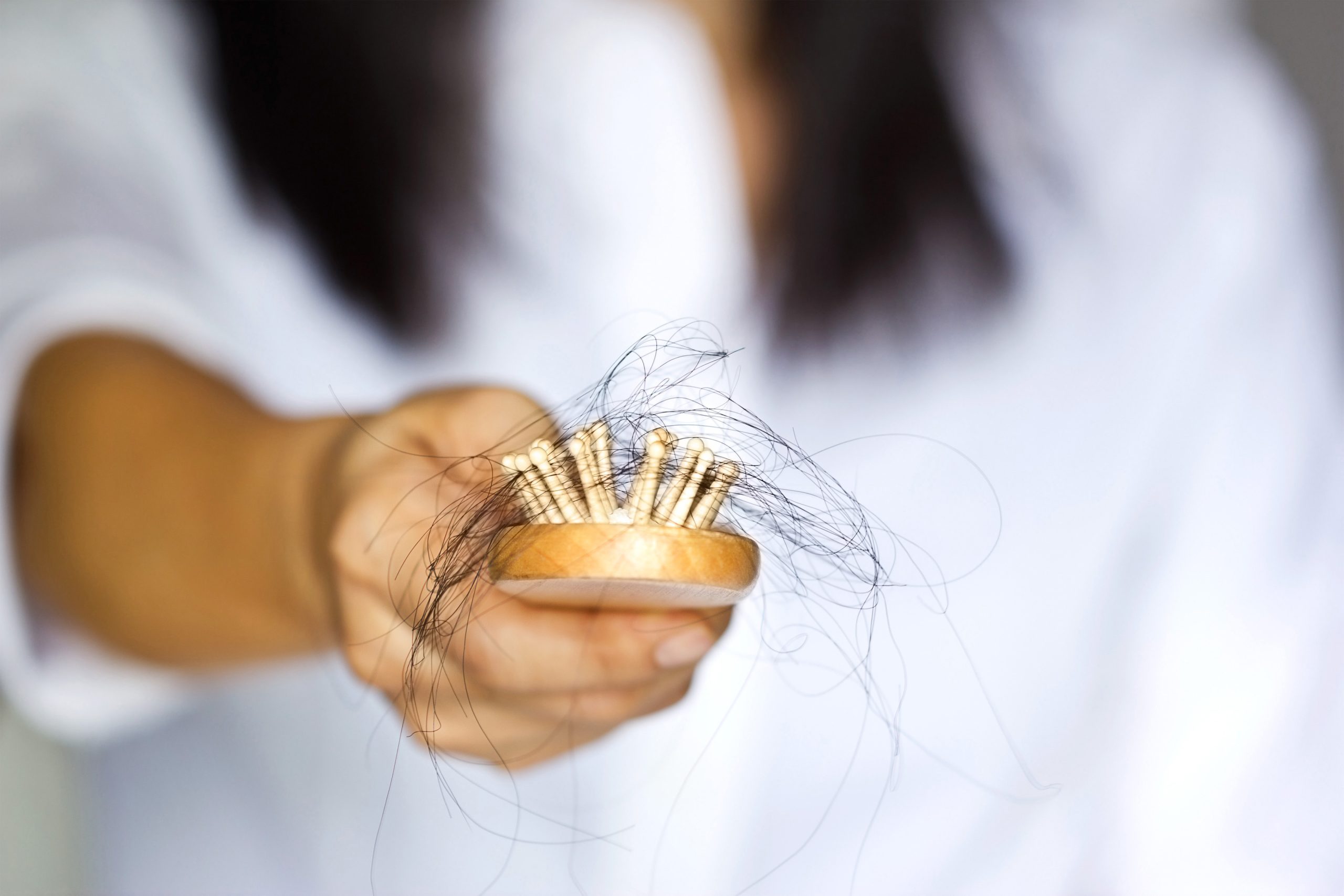
Noticing more hair in the shower drain or a widening part line often prompts a search for solutions, but not every thinning pattern responds to the same treatment. Hair loss has several underlying drivers, including genetics, hormonal shifts, and scalp inflammation, and identifying the correct cause matters more than picking a product off a shelf. For residents researching Divine, A Boutique Medspa, understanding what a structured, non-surgical hair restoration approach actually involves can help set realistic expectations before any appointment.
Why Hair Thinning Happens Before Treatment Begins
Hair loss rarely has a single cause, which is why generic over-the-counter products often fall short.
• Hormonal changes : Shifts in androgen levels can shrink hair follicles over time, a process known as androgenetic alopecia.
• Scalp environment : Poor circulation, product buildup, or inflammation can disrupt the follicle’s growth cycle.
• Nutrient and metabolic factors : Deficiencies or metabolic imbalance can also contribute to diffuse thinning.
According to a 2025 review published in Nature Reviews Disease Primers, androgenetic alopecia carries a measurable effect on self-reported quality of life, and earlier diagnosis is linked to better outcomes. This is one reason clinicians generally recommend ruling out reversible causes, such as thyroid issues or iron deficiency, before starting any long-term regimen.
What a Diagnostic-First Approach Looks Like
A hair restoration visit that starts with testing rather than a one-size-fits-all product tends to produce more accurate treatment planning.
1. Consultation and history review to understand the pattern and timeline of hair loss.
2. Diagnostic testing , which may include bloodwork or scalp assessment, to flag hormonal or nutritional contributors.
3. Treatment plan selection , often combining scalp therapies with topical or in-office options based on findings.
This structure reflects a broader clinical trend: rather than treating hair loss as a cosmetic issue alone, it is increasingly viewed as connected to overall metabolic and scalp health.
Common Non-Surgical Hair Restoration Options
Treatment intensity and mechanism vary widely across non-surgical options, and comparing them side by side helps clarify what each approach actually targets.
Treatment Type |
Primary Target |
Typical Use Case |
|
Scalp therapies / head spa treatments |
Circulation, buildup, scalp health |
Early thinning, maintenance |
|
Microneedling with exosomes |
Follicle stimulation, growth factors |
Moderate thinning, combination plans |
|
Prescription topical or oral options |
Hormonal pathways (e.g., DHT) |
Pattern hair loss with hormonal drivers |
|
Genetic or lab-based testing |
Identifying root cause |
Pre-treatment planning |
No single option works for every scalp, which is why many clinical approaches combine therapies rather than relying on one method alone.
What to Expect During the Process
Setting expectations before the first session reduces frustration later, since hair restoration is a gradual process rather than an overnight fix.
• Visible improvement in hair growth typically takes multiple months, not weeks, because hair growth cycles are slow by nature.
• Consistency matters more than intensity; skipping sessions or stopping early can stall progress.
• Ongoing scalp maintenance, not just a single treatment, tends to support longer-term results.
Readers in St. Louis, MO researching options locally should know that treatment access does not require a nearby office visit to gather information. Based in USA, Discover Divine, A Boutique Medspa serves clients across the St. Louis, MO area through its published treatment information and consultation scheduling.
Frequently Asked Questions
How long before hair restoration treatment shows results? Most non-surgical approaches require several months of consistent use before visible changes in density or shedding become noticeable, since hair growth cycles are inherently slow.
Is hair restoration only for advanced hair loss? No. Early intervention, when thinning is first noticed, is generally associated with better long-term outcomes than waiting until hair loss is advanced.
Do I need bloodwork before starting treatment? Diagnostic testing is not always mandatory, but it helps identify hormonal, nutritional, or metabolic contributors that influence which treatment approach is appropriate.
Can scalp treatments be combined with other therapies? Yes, scalp-focused treatments are often paired with microneedling or topical options as part of a broader plan, depending on the identified cause of thinning.
Hair restoration outcomes depend less on finding a single “best” product and more on identifying the specific cause of thinning before committing to a plan. Business details, including service categories and published contact information for Discover Divine, A Boutique Medspa are listed in an online profile covering the service area.