Simply put:
- Building a high-end custom home involves design consultation, permitting, site preparation, and phased construction, typically spanning several stages over many months.
- Pinellas County, FL has its own permitting portal and inspection requirements that affect timelines for new residential builds.
- Working with an experienced local builder familiar with flood zones, waterfront lots, and county codes can reduce delays.
Building a custom home from the ground up means every decision, from the foundation type to the final trim detail, is made specifically for one property and one household. For homeowners researching Dan Karcher Construction Inc in the Tampa Bay area, understanding the custom build process from design through final inspection helps set realistic expectations for cost, timeline, and the level of involvement required along the way. A custom home builder in Largo typically guides clients through each phase rather than handing over a finished product with little input from the owner.
The Custom Home Building Process, Step by Step
High-end custom construction differs from production or spec building because nearly every element is specified rather than selected from a limited catalog. The general sequence includes:
- Design and planning – architectural drawings, material selections, and budget alignment before permits are filed.
- Permitting and site prep – submitting plans to local building departments, clearing the lot, and addressing utility connections.
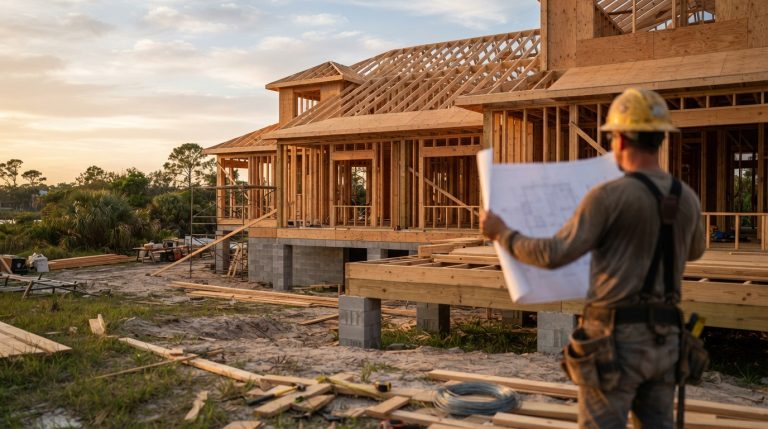
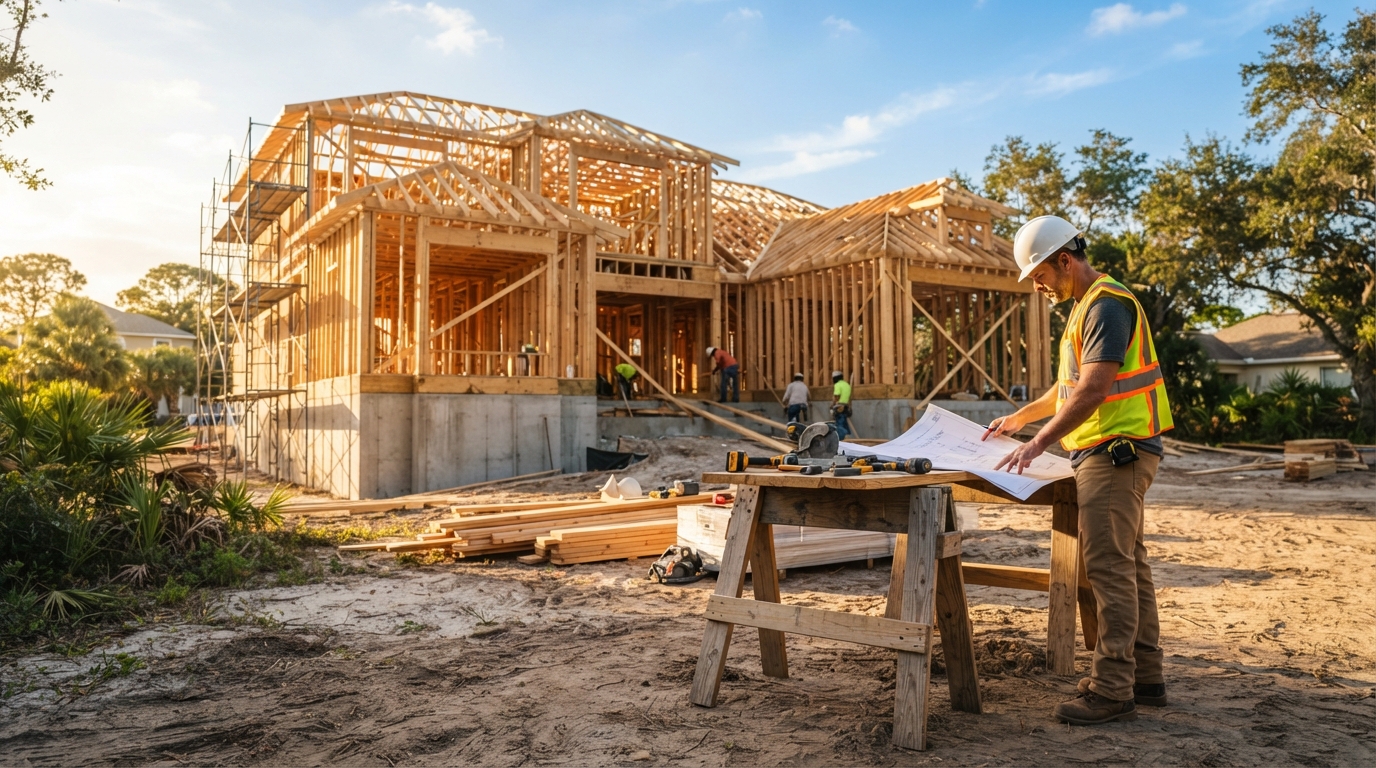
- Foundation and framing – structural work that must pass inspection before moving to the next phase.
- Mechanical, electrical, and plumbing rough-in – installed and inspected before walls are closed.
- Interior finishes – cabinetry, flooring, fixtures, and custom millwork installed last.
Each phase requires inspection sign-off before the next can begin, which is why scheduling and communication with the building department matter as much as the construction work itself.
Permitting and Regulatory Considerations in Pinellas County, FL
Homeowners planning new construction in Pinellas County, FL should expect a more structured permitting process than in some other parts of the state, largely because of flood zone rules and coastal building requirements. According to Pinellas County’s permitting guidance, building permit applications and site plan submissions are managed through the county’s online Access Portal, and projects are categorized as Express, Residential, or Commercial depending on scope.
Key regulatory factors that affect custom home timelines in this area include:
- Flood zone designation, which can require elevation certificates or additional engineering review
- Blower door testing for new residential construction prior to a certificate of occupancy
- Coordination with local building departments, since some cities within Pinellas County handle permitting separately from the county office
| Permit Type | Typical Use Case | Review Complexity |
|---|---|---|
| Express | Minor repairs or simple projects | Low |
| Residential | New custom homes, additions, major remodels | Moderate to High |
| Commercial | Mixed-use or commercial-zoned builds | High |
Site and Design Factors That Affect Timeline and Cost
Waterfront lots, narrow infill parcels, and older neighborhoods with mature tree canopy each introduce variables that a standard subdivision lot does not. Builders experienced with coastal construction account for wind load requirements, elevated foundations, and setback rules specific to the property’s location. Material lead times for custom cabinetry, specialty windows, and imported finishes can also extend the schedule beyond the construction timeline alone.
Homeowners should expect these variables to influence the project:
- Lot condition and any required demolition or clearing
- Soil testing results, which can change foundation design
- Custom material orders that may take longer than standard stock items
- Weather-related delays during hurricane season
Based in Largo, FL, Dan Karcher Construction Inc works with residential and commercial clients across Pinellas County, FL on custom home, remodeling, and addition projects. The company’s background includes decades of family-owned operation, with current work spanning custom home construction, additions, and condo build-outs in the surrounding communities it serves.
Frequently Asked Questions
How long does it take to build a high-end custom home in Pinellas County, FL? Timelines vary widely based on lot condition, design complexity, and permitting review times, with phased inspections required at each major construction stage before work can proceed.
Why does flood zone designation matter for custom home construction? Properties in flood zones may require elevation certificates, specific foundation engineering, or additional review steps as part of the county’s permitting guidance, which can add time to the overall schedule.
What is the difference between a custom home and a production home? A custom home is designed around one buyer’s specifications and one lot, while production homes use repeated floor plans across multiple properties with fewer customization options.
Does a custom home builder handle the permitting process? Many builders coordinate permit submissions and inspections on the homeowner’s behalf, though the property owner typically remains listed on official permit records.
Local Resources for Homeowners
Homeowners beginning a custom build in this region benefit from reviewing county-level permitting requirements before finalizing design plans, since flood zone status and inspection scheduling can shift both cost and timeline. Current permit record details for Learn More About Dan Karcher Construction Inc are published for the local service area.
A project of this scope generally moves faster when design decisions, material selections, and permitting steps are sequenced early rather than addressed reactively once construction is underway. Reviewing county permitting pages and confirming flood zone status before finalizing a lot purchase remains one of the more practical steps a homeowner can take at the outset of a custom build.