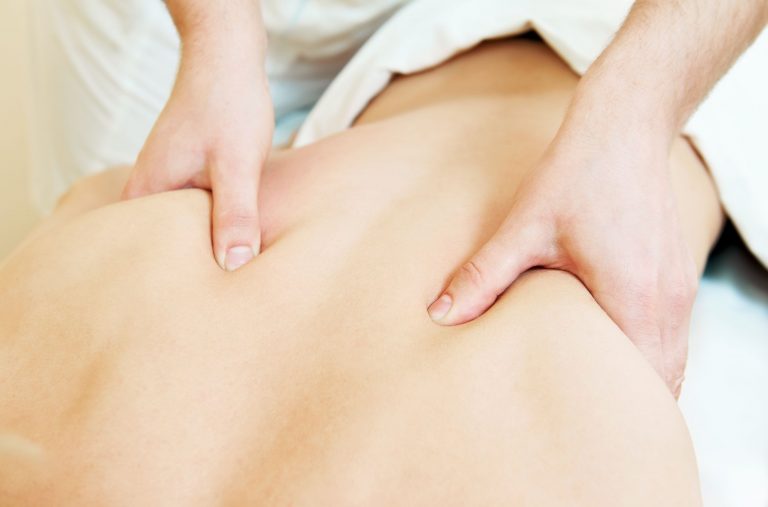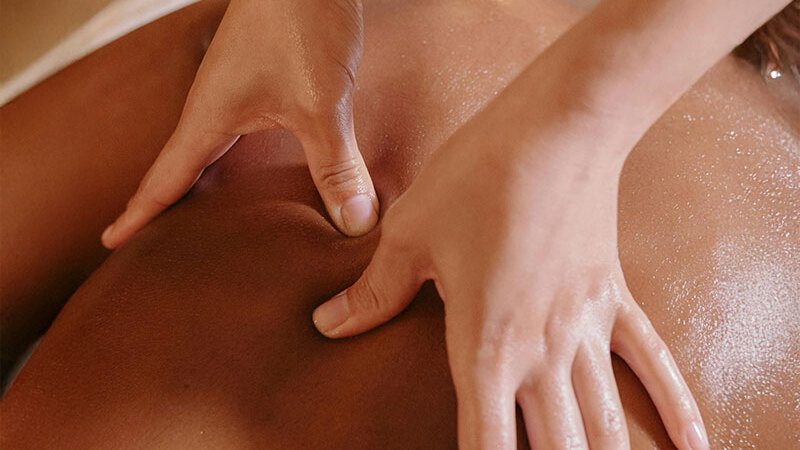
Lymphatic drainage massage uses light pressure because its purpose is to support lymph fluid movement through carefully controlled skin movements. Much of the lymphatic network addressed by these techniques lies close to the skin’s surface, so deeper pressure is not the goal.
That can surprise someone whose previous massage appointments involved firm kneading or sustained pressure on tight muscles. A gentler session may feel unfamiliar, especially when intensity has become their main measure of whether bodywork is worthwhile.
Understanding the intended purpose helps explain the difference. The relevant question is whether the approach matches the person’s needs, rather than how forceful it feels. For people exploring professional massage therapy in Goodyear, AZ, this distinction can make the booking conversation more useful.
What Is the Therapist Trying to Influence?
The lymphatic system helps return excess fluid from body tissues to the bloodstream and plays a role in immune function. Its vessels form a network throughout the body, including small vessels near the skin’s surface.
Manual lymphatic drainage, often shortened to MLD, uses specialized movements intended to encourage lymph flow. Its focus differs from bodywork directed primarily at muscle tension.
Cancer Research UK describes professional MLD as a specialized form of skin massage involving very light, slow, rhythmic movements. This explains why the experience may feel subtle even when the therapist is working deliberately.
A client accustomed to deeper bodywork may expect the practitioner to press through the surface tissues. In a lymphatic-focused session, working superficially is part of the method. Pressure should serve the intended purpose rather than follow the client’s expectations from a different service.
Why Would Stronger Pressure Be Unhelpful?
More pressure does not automatically improve fluid movement. Increasing force changes how the therapist interacts with the tissues and can move the work away from the intended technique.
The Oncology Nursing Society cautions against deep, heavy-handed massage in the management of lymphatic swelling because it may damage tissues and worsen edema. This is particularly relevant when an area is medically vulnerable or already affected by impaired drainage.
That does not make deeper massage unsuitable for every person or purpose. It means that an approach intended for muscle work should not be substituted casually for one intended to address lymph flow.
Consider someone who enjoyed firm shoulder work during a previous appointment. Their pressure preference says something useful about that experience, but it does not establish the appropriate pressure for a lymphatic-focused service. The therapist needs to consider the current goal and relevant health information.
Does a Light Touch Mean the Appointment Is Only for Relaxation?
A session may feel relaxing without relaxation being its only intended purpose. The gentle sensation of the work does not reveal everything about the therapist’s decisions.
Professional lymphatic drainage involves an understanding of anatomy, fluid movement, and individual circumstances. Where the practitioner works, how they organize the session, and whether the service is appropriate all matter alongside pressure.
For example, Cancer Research UK explains that a specialist may work away from the visibly swollen area to prepare another region for drainage. A client may therefore wonder why attention is being given somewhere other than their main area of concern.
The useful response is a professional explanation of the plan. Asking what the therapist is trying to accomplish can clarify the appointment without turning it into a request for stronger pressure.
How Is This Different From Massage for Tight Muscles?
Massage therapy includes approaches with different purposes. A session focused on recurring muscle tension may involve more sustained or deeper work, depending on the person’s needs and tolerance.
A lymphatic-focused approach generally feels much lighter. Comparing the two only by intensity misses the reason for choosing one over the other.
This difference matters when a client has overlapping goals. Someone may want help with everyday shoulder tension while also asking about fluid-related concerns. Those requests should be discussed separately rather than treated as interchangeable reasons for the same technique.
In Goodyear, Renew Wellness Studio lists Lymphatic Drainage Massage among their specialized massage services and describes the approach as gentle and rhythmic. Their service information distinguishes it from their deeper, muscle-focused bodywork.
Should the Session Hurt to Be Worthwhile?
Pain is not a required feature of manual lymphatic drainage. Its light, controlled movements should not be judged by the discomfort sometimes associated with more intense bodywork.
A client who expects soreness afterward may find the absence of it surprising. Soreness, however, is not a meaningful target for this type of session.
Discomfort should be discussed rather than accepted as proof that the service is working. The practitioner can consider whether positioning, contact, an underlying condition, or another factor needs attention.
This is also a reason to explain areas of tenderness before the session begins. A therapist cannot rely on pressure preferences alone to understand what contact will feel like in a sensitive area.
Professional communication allows the session to remain responsive. There is no need for a client to endure painful contact to demonstrate tolerance or commitment.
Why Does Gentle Work Still Require Professional Judgment?
A light touch does not make a service appropriate for everyone. Health history remains relevant even when the movements are comfortable.
Cancer Research UK identifies circumstances, including infection, blood clots, and certain heart problems, in which lymphatic drainage may be unsuitable. The appropriate decision depends on the person’s condition and guidance from their healthcare professionals.
Likewise, swelling has different possible causes. Booking a massage does not establish why swelling exists or whether a wellness service is the right response.
A qualified professional should understand the limits of their training and recognize when medical assessment is needed. Someone with an unresolved medical concern should obtain appropriate guidance before choosing bodywork to address it.
The practical value of professional care includes these decisions. Assessing suitability, clarifying the goal, and recognizing when to refer are important even when the hands-on work feels gentle.
Is a Wellness Session the Same as Lymphedema Treatment?
The terms can appear together online, but the services should not be assumed to be equivalent.
Lymphedema is a medical condition involving impaired lymph drainage and swelling. The National Cancer Institute describes manual lymphatic drainage as one component of complete decongestive therapy managed by a certified lymphedema therapist.
That broader care may include compression, skin care, and prescribed movement. A wellness appointment alone should not be presented as a replacement for that coordinated treatment.
Prospective clients should therefore ask about the provider’s relevant training and the scope of the service. A massage license, an oncology-related credential, and certification in lymphedema care describe different qualifications.
This helps people choose a professional whose role matches their needs, without assuming that services using similar terminology provide the same medical care.
What Expectations Make Sense Before Booking?
The most useful expectations relate to the purpose of the appointment and the person’s circumstances.
Immediate visible change is not guaranteed. Cleveland Clinic notes that people without lymphedema may not experience meaningful results, and improvements are not necessarily immediate even when treatment is appropriate.
Similarly, a quieter or lighter session should not be judged by how dramatic it feels. Pressure, soreness, and a sense of intensity are poor substitutes for discussing the intended outcome.
A professional can explain the service’s limits, whether a different approach better matches the request, and when another provider’s assessment is needed. They should also be clear about what their training allows them to offer.
There is no universal schedule that suits every client. Frequency and duration require context, rather than assumptions based on someone else’s experience or an online account of a single appointment.
What Is Worth Discussing With the Provider?
Before booking, a prospective client can describe their main goal, relevant medical guidance, and previous experience with massage.
Useful questions include whether the service focuses on general wellness or a medically assessed condition, what qualifications the practitioner holds, and what the client should realistically expect.
Someone who enjoys firm bodywork can mention that preference while remaining open to an explanation of why a different pressure is appropriate. Someone seeking care after a procedure should discuss their surgical team’s instructions before arranging an appointment.
These conversations support a more informed choice. They allow the practitioner to explain the service and help the client understand whether it fits the reason they are seeking care.
Understanding the Purpose Behind the Pressure
Light pressure in lymphatic drainage is an intentional feature of the approach. Understanding its purpose helps prospective clients discuss whether the service fits their needs and choose a qualified professional.
About Renew Wellness Studio
Renew Wellness Studio is based in Goodyear, AZ, where they offer personalized massage and wellness services, including lymphatic drainage massage. Their team includes licensed massage therapists, and Lindsey Reninger holds an oncology massage certification. Readers can call (623) 535-7826 to discuss their services or find their studio on Google Maps.