Caring for a dog after knee surgery can seem overwhelming for many pet owners. Understanding the recovery process and knowing what to expect can make a significant difference in your dog’s comfort and healing. Many people search for guidance on Dog Knee Surgery Recovery to ensure their beloved pets regain mobility and quality of life as quickly and safely as possible.
Creating a Safe and Comfortable Recovery Environment
The first step in helping your dog heal at home is to provide a calm, secure space. After surgery, dogs need a quiet area away from household activity to minimize stress and prevent accidental injury. Set up a soft bed in a confined space, such as a crate or a small room, to restrict movement and discourage jumping or running.
Consider these essentials for an ideal recovery space:
• Non-slip mats to prevent falls
• Baby gates to block off stairs or hazardous areas
• Easy access to water and food
• Frequent cleaning to maintain hygiene
Managing Pain and Medication
Pain management is crucial during the recovery phase. Your veterinarian will prescribe pain medications and possibly anti-inflammatory drugs. Administer all medications exactly as directed, and never give your dog over-the-counter human medications unless approved by your vet. Watch for signs of pain, such as whining, restlessness, or reluctance to move, and report any concerns promptly.
Activity Restriction and Gradual Rehabilitation
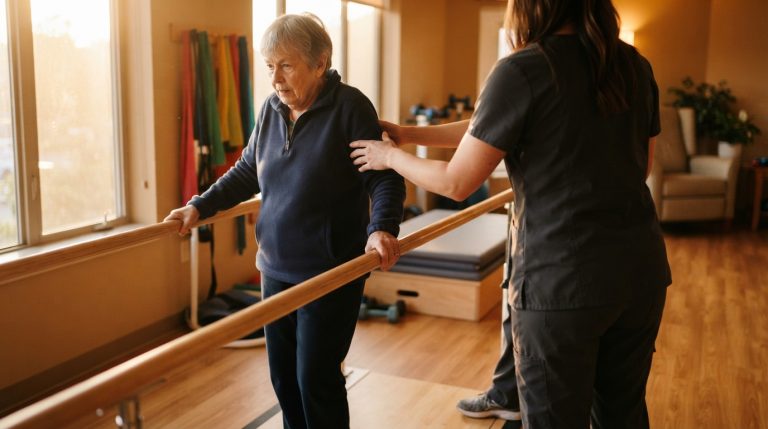
Restricting your dog’s activity is vital to allow the knee to heal properly. For the first few weeks, leash walks should be short—just enough for bathroom breaks. Avoid stairs, jumping, or rough play. As your veterinarian recommends, you can slowly introduce controlled exercises or gentle rehabilitation activities, such as:
• Slow, short leash walks
• Passive range-of-motion exercises (if instructed by your vet)
• Hydrotherapy or swimming, under professional supervision
Rehabilitation helps restore strength and flexibility, but always follow your veterinarian’s timeline and instructions for introducing new activities.
Monitoring the Surgical Site
Regularly inspect the incision for signs of infection, such as redness, swelling, discharge, or an unusual odor. Prevent your dog from licking or biting at the stitches by using an Elizabethan collar (cone) or a suitable alternative. Contact your veterinarian if you notice any concerning changes or if your dog seems unwell.
Nutrition and Weight Management
Proper nutrition plays a key role in recovery. Feed a balanced diet, and monitor your dog’s weight closely. Excess weight can strain the healing knee, so consult your veterinarian about the appropriate type and amount of food during recovery. Limit treats and avoid table scraps to maintain a healthy weight.
Communication with Your Veterinarian
Consistent communication with your veterinarian ensures your dog’s recovery stays on track. Attend all scheduled follow-up appointments to monitor healing progress, remove stitches if necessary, and discuss any concerns. Do not hesitate to reach out if you notice changes in your dog’s behavior, appetite, or mobility.
Supporting your dog through the post-surgery period at home requires patience, vigilance, and compassion. By setting up a safe recovery environment, managing pain, following activity restrictions, and maintaining open communication with your veterinarian, you’re giving your dog the best chance for a full and comfortable recovery. With attentive care and gradual rehabilitation, most dogs can return to their favorite activities and enjoy a happy, active life once again.