Quick take:
- A rehab therapist supports recovery from brain injury, spinal cord injury, and stroke through coordinated physical, occupational, and speech therapy.
- Safe recovery relies on individualized treatment plans, structured daily routines, and ongoing medical oversight.
- Kansas City residents can access residential neurorehabilitation programs that combine therapy with 24/7 support in a home-like setting.
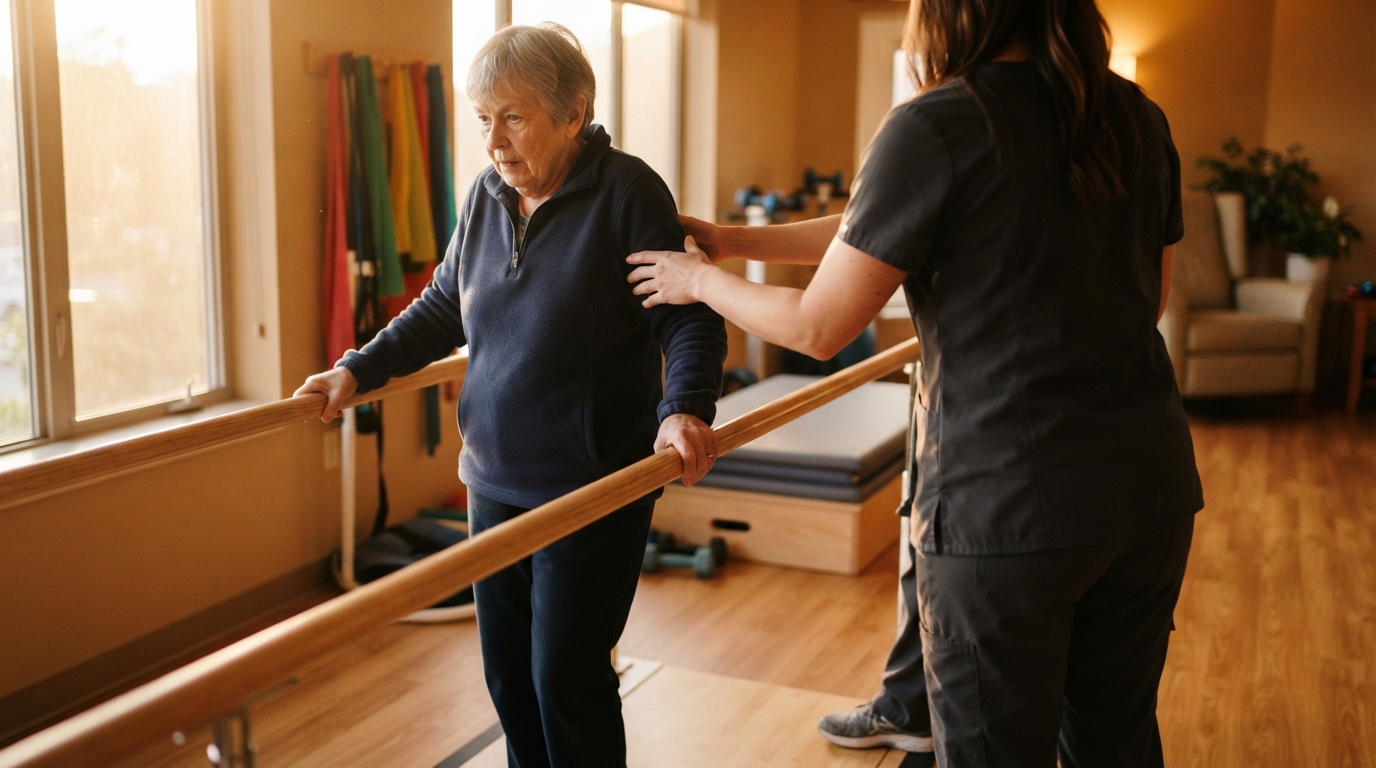
Recovering from a brain injury, spinal cord injury, or stroke requires more than a single appointment or a generic exercise sheet. A Rehab Therapist in Kansas City, KS typically works as part of a larger clinical team, coordinating physical movement, cognitive function, and emotional adjustment so recovery happens in a structured, measurable way.
This kind of coordinated care matters because neurological injuries rarely affect just one system of the body. A person recovering from a stroke, for example, may need help relearning how to walk while also rebuilding speech patterns and managing memory changes at the same time.
What a Rehab Therapist Actually Does
A rehab therapist’s role shifts depending on the injury and the stage of recovery, but the core responsibilities tend to follow a consistent pattern.
- Initial assessment: Evaluating physical, cognitive, and functional abilities to identify specific impairments.
- Goal-setting: Establishing realistic, measurable milestones tied to daily living skills.
- Hands-on treatment: Guiding exercises, mobility training, and communication practice during scheduled sessions.
- Progress tracking: Adjusting the treatment plan as the patient’s needs change over time.
Programs built around these steps often involve several therapy disciplines working together rather than in isolation. A goal-focused, interdisciplinary team approach is widely recommended for assessing and managing recovery after traumatic brain injury, according to a systematic review of TBI rehabilitation guidelines.
How Safe Recovery Is Built Step by Step
Safety in neurorehabilitation is not just about avoiding falls or re-injury. It also means pacing therapy so the brain and body can adapt without being overwhelmed.
- Start with a full evaluation. Therapists assess strength, balance, speech, cognition, and emotional state before building a plan.
- Introduce structured routines. Predictable daily schedules help patients regain confidence and reduce disorientation.
- Layer in therapy types gradually. Physical therapy may begin before speech or occupational therapy ramps up, depending on the injury.
- Involve family members. Education for caregivers supports consistency once therapy sessions end for the day.
- Reassess and adjust. Treatment plans are revisited regularly so goals stay realistic as function improves.
This stepwise model reflects broader clinical guidance. Comprehensive interdisciplinary inpatient rehabilitation and ongoing community-based care is recommended for individuals with moderate to severe traumatic brain injury, as outlined in the same TBI rehabilitation guideline review.
Comparing Therapy Settings for Neurological Recovery
| Setting | Level of Support | Best Suited For |
| Residential rehabilitation | 24/7 structured care in a home-like environment | Moderate to severe brain or spinal cord injury |
| Outpatient clinic visits | Scheduled sessions, patient returns home daily | Milder impairments with stable home support |
| Home-based therapy | Therapist visits the patient’s residence | Limited mobility or transportation barriers |
Each setting serves a different stage of recovery, and many patients move between them as their needs change.
Services Commonly Included in Neurorehabilitation Programs
Kansas City-area neurorehabilitation programs typically bring together several therapy types under one coordinated plan:
- Physical therapy to rebuild strength, balance, and mobility.
- Occupational therapy focused on daily living skills such as dressing, cooking, and home management.
- Speech-language pathology addressing communication, cognitive-communication, and swallowing difficulties.
- Neuropsychological and counseling services supporting cognitive function and emotional adjustment for patients and families.
- Rehabilitation physician oversight to guide medical treatment throughout the recovery process.
These services are generally delivered through a transdisciplinary model, meaning therapists coordinate closely rather than treating each area separately.
Frequently Asked Questions
How soon after a brain or spinal cord injury should therapy begin? Timing depends on the injury’s severity and medical stability, but earlier structured rehabilitation is generally associated with better functional outcomes once a patient is medically cleared.
What is the difference between occupational therapy and physical therapy in neurorehabilitation? Physical therapy focuses on strength, balance, and movement, while occupational therapy centers on relearning daily tasks like bathing, cooking, and household routines.
Can family members be involved in the rehabilitation process? Yes. Family education and involvement are commonly built into neurorehabilitation programs to support consistency and understanding once formal therapy sessions end.
Is residential care always necessary after a neurological injury? Not always. Residential care is typically reserved for moderate to severe injuries requiring continuous support, while milder cases may be managed through outpatient or home-based therapy.
Finding the Right Support for Recovery
Choosing a rehabilitation path after a brain injury, spinal cord injury, or stroke involves weighing the severity of the condition, the level of daily support needed, and how therapy types will be coordinated over time. Neuro RehabCare Hammond is a post-acute residential rehabilitation provider offering individualized neuro rehabilitation programs for individuals recovering from brain and spinal cord injuries. For those exploring treatment options in the Kansas City area, it may help to review program details and ask direct questions about therapy structure and staff availability. Readers who want to learn more about available programs and services can Click Here to review specific offerings and next steps for scheduling an evaluation.