Takeaway:
• Structured dog training programs rely on repetition, positive reinforcement, and supervised socialization to build reliable obedience.
• Trust between a dog and its handler develops through consistent routines, clear cues, and safe group play experiences.
• Learn More About Anytime Puppy Playground to understand how guided play and structured interaction support these training principles.
Obedience training works best when it combines consistent commands with positive reinforcement, giving dogs a predictable framework for learning acceptable behavior. Trust forms alongside obedience because dogs learn to associate their handler’s guidance with safety, routine, and reward rather than confusion or stress.
Group-based activities add another layer to this process. Structured play and supervised interaction give dogs practice applying commands outside a quiet training room, which is often where real-world reliability is tested. Readers in Eagan, MN who want a closer look at how guided play supports these goals can Learn More About Anytime Puppy Playground before enrolling a dog in any structured activity.
The Core Elements of Obedience Training
Obedience programs generally rest on a handful of repeatable techniques rather than one single method. Trainers and handlers tend to rely on:
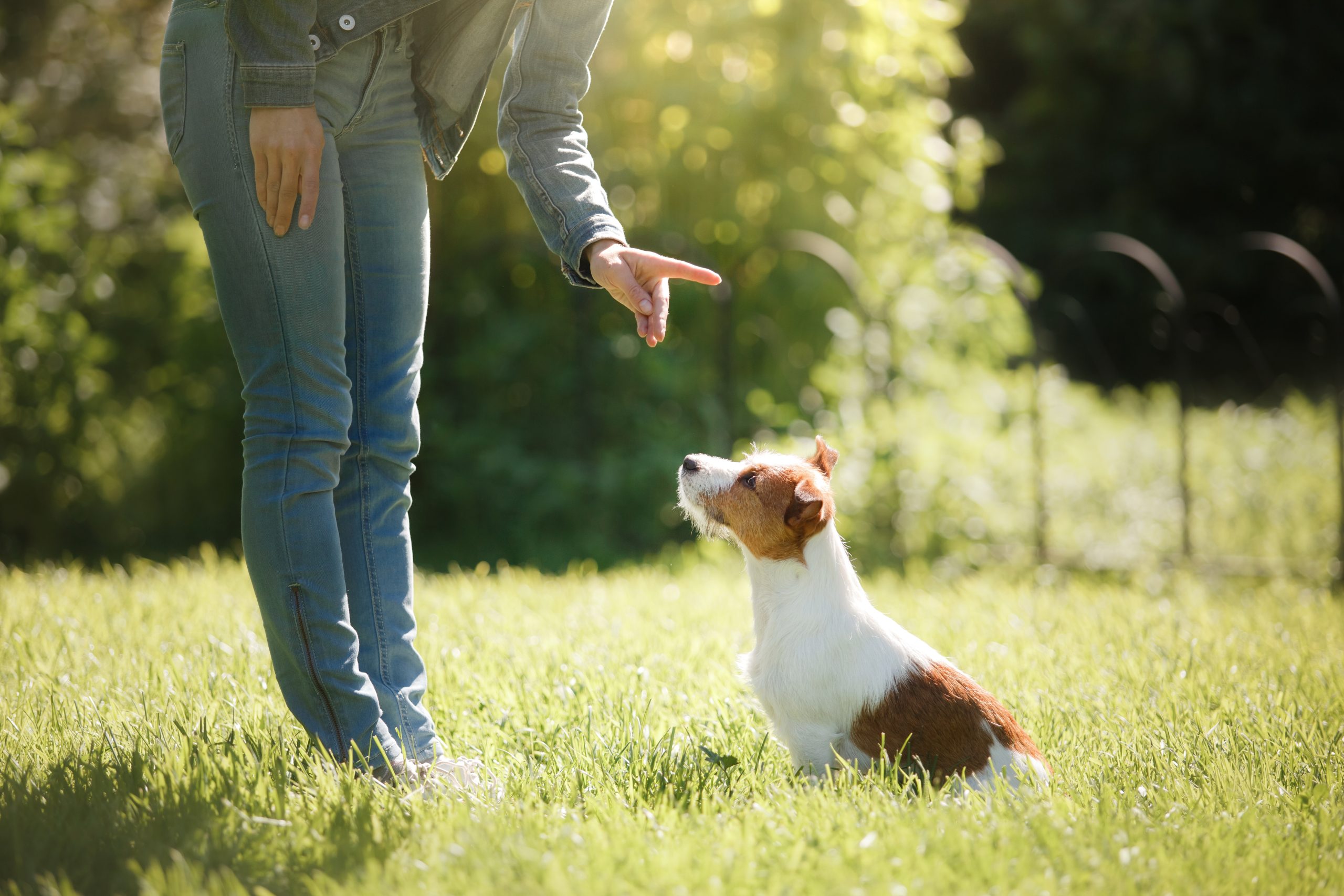
• Consistent verbal or hand cues paired with the same expected behavior every time.
• Positive reinforcement such as treats, praise, or play to mark correct responses.
• Short, frequent sessions rather than long, infrequent ones, since dogs retain information better in brief repeated intervals.
• Gradual exposure to distractions so commands hold up outside a controlled setting.
The American Veterinary Society of Animal Behavior has noted that reward-based methods are associated with better welfare outcomes and more reliable learning compared to punishment-based approaches. This reinforcement-first approach also reduces the likelihood of fear-based reactions that can undermine trust between dog and owner.
How Socialization Supports Behavioral Reliability
Obedience alone does not guarantee a well-adjusted dog. Socialization, or structured exposure to other dogs, people, and environments, helps a dog generalize good behavior across different settings rather than only in the location where it was trained.
For owners in Eagan, MN, this matters because dogs frequently need to behave reliably in varied contexts: at home, on walks, at veterinary visits, and around other animals. A dog that only responds to commands in one familiar room has not fully internalized the behavior. Supervised group play environments give dogs a chance to practice impulse control, recall, and calm greetings while surrounded by normal distractions.
Comparing Training Approaches
Different training formats serve different goals, and understanding the distinctions helps owners choose an appropriate starting point.
Training Format |
Primary Focus |
Best Suited For |
|
One-on-one obedience sessions |
Command mastery, individualized pacing |
Dogs needing foundational skills or behavior correction |
|
Group obedience classes |
Commands practiced with mild distraction |
Dogs ready to generalize known cues |
|
Supervised group play |
Social skills, impulse control, energy outlet |
Dogs with basic obedience already in place |
|
At-home reinforcement |
Consistency between formal sessions |
All dogs, regardless of training stage |
No single format replaces the others. Most well-rounded training plans combine structured instruction with supervised social opportunities so a dog’s obedience holds up in real-world situations, not just in a classroom setting.
Building Long-Term Trust Between Dog and Owner
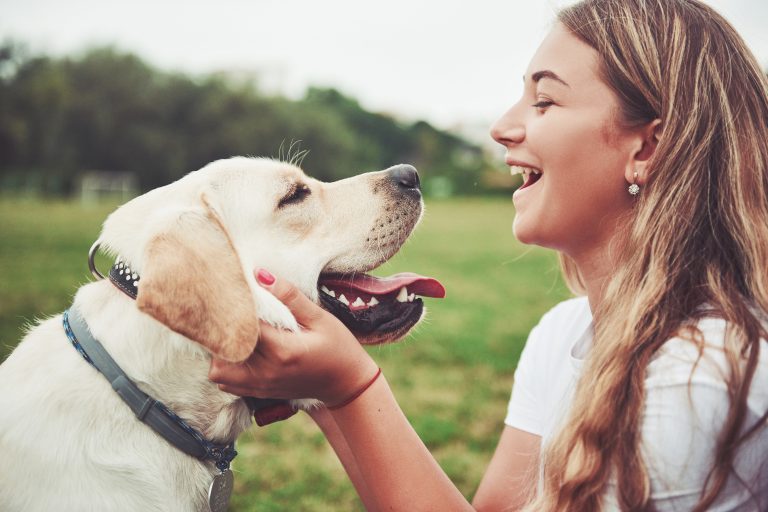
Trust is not a byproduct of obedience training, it is a prerequisite for it. Dogs that feel safe with their handlers are more likely to respond to cues under stress, recover quickly from startling events, and tolerate handling during grooming or veterinary care.
Consistency plays the largest role here. Handlers who use the same cues, maintain predictable routines, and avoid harsh corrections tend to see faster and more durable obedience gains. Over time, this consistency becomes the foundation that allows a dog to generalize trust from one handler to other caregivers, including staff at supervised play or training facilities.
Frequently Asked Questions
How long does it typically take to see results from obedience training? Basic commands can often be reinforced within a few weeks of consistent short sessions, though full reliability across distracting environments usually takes longer and depends on the individual dog.
Is group play a substitute for formal obedience training? No. Group play reinforces social skills and impulse control but works best alongside, not instead of, structured command training.
Can older dogs still benefit from structured training programs? Yes. While puppies often learn foundational commands quickly, adult dogs can still build new behaviors and improve trust with consistent, reward-based methods.
Why does consistency matter more than the specific command words used? Dogs respond to patterns and predictability. A consistent cue paired with a consistent reward builds reliable associations regardless of the exact word chosen.
Looking for ways to support your dog’s obedience, confidence, and social skills in Eagan, MN? Anytime Puppy Playground provides dog training and supervised play opportunities that help dogs build positive habits through structured interaction and consistent guidance. Whether you’re working on foundational obedience or helping your dog become more comfortable around other dogs, contact Anytime Puppy Playground to discuss suitable programs and enrollment options. Visit Anytime Puppy Playground on Google Maps for business details and contact information.