Doorway and gate safety training teaches a dog to stop, wait, and move forward only after receiving a clear release cue. For dog owners in Peoria, AZ, this type of dog training can reduce unsafe rushing, improve everyday control, and make entrances, yards, and neighborhood walks easier to manage.
Why Is Doorway Safety Important for Dogs?
Open doors and gates create opportunities for dogs to run into streets, approach unfamiliar people, chase animals, or leave the property before an owner is ready.
A reliable pause creates time for the owner to check traffic, secure a leash, move packages, or confirm that a yard gate is properly closed. It also teaches the dog that access to the outdoors depends on calm behavior rather than speed or pushing.
Doorway manners are not about making a dog fearful of exits. The goal is to build a predictable routine that helps the dog understand when to wait and when it is safe to proceed.
What Should a Dog Learn Before Practicing at an Open Door?
Training usually begins away from a busy doorway. The dog should first understand a simple pause or wait cue in a quiet area with few distractions.
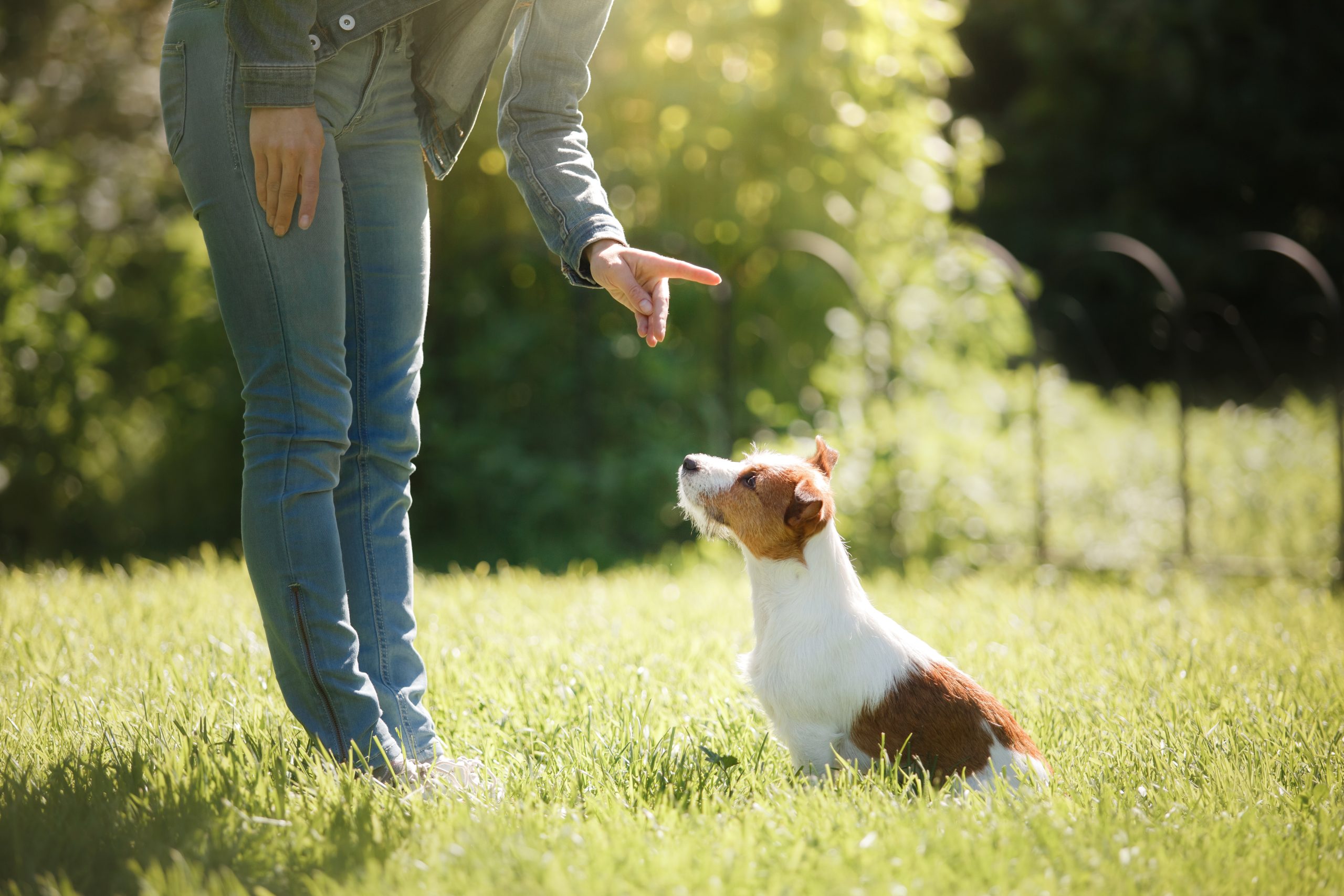
Owners can ask the dog to pause for one or two seconds, mark the successful response with praise, and provide a food reward or access to something the dog enjoys. The release cue should then clearly signal that the dog may move.
Short sessions help prevent frustration. A dog does not need to hold the position for a long time at first.
How Can Owners Introduce the Door Safely?
Begin with the door closed. Ask the dog to pause several feet away, reach for the handle, and reward calm behavior. If the dog moves forward, the owner can stop, reset, and make the next attempt easier.
Once the dog remains in place, open the door only a small amount. Close it again if the dog rushes forward. When the dog stays calm, provide praise or another reward.
Over time, the door can open wider. The dog should learn that calm behavior keeps the door open, while rushing causes the opportunity to pause temporarily. This pattern gives the dog clear feedback without punishment.
How Should Gate Training Be Different?
Outdoor gates often involve stronger distractions than indoor doors. Sounds, passing dogs, children, delivery activity, and neighborhood movement can increase excitement.
Practice gate safety with the dog on a leash. Start at a distance where the dog can still respond to familiar cues. Gradually move closer as calm behavior becomes more consistent.
Owners should also check gate latches, fencing, and surrounding conditions before each session. Training supports safety, but secure equipment remains essential.
Which Rewards Work Best for Doorway Training?
The most effective reward is something the dog values in that moment. Food can work well during early practice, but access to the outdoors can also become a powerful reward.
For example, the dog pauses, the owner opens the door, and the release cue allows the dog to go outside. In this case, moving through the doorway reinforces the calm response.
Praise, toys, and play may also help. Professional dog training often uses a combination of rewards so the dog stays engaged while learning that calm choices lead to positive outcomes.
What Common Mistakes Slow Progress?
One common mistake is opening the door too far too soon. If the dog repeatedly rushes through, the step is probably too difficult.
Another mistake is repeating the cue several times. A clear cue followed by enough time to respond is usually more effective than saying the same word again and again.
Inconsistent household rules can also cause confusion. If one person requires a pause while another allows the dog to rush outside, progress may be slower. Everyone should use the same cue, release word, and doorway routine.
When Can Private Dog Training Help?
Private dog training can be useful when a dog becomes highly excited, ignores familiar cues, or reacts strongly to outdoor distractions. Individual sessions allow a trainer to observe the dog’s behavior at the doorway or gate where the problem occurs.
A certified dog trainer can also help owners adjust distance, timing, rewards, and difficulty. The plan should reflect the dog’s age, learning history, environment, and ability to remain calm around movement outside.
Build Safer Doorway Habits in Peoria
Peoria dog owners can strengthen everyday safety by practicing calm pauses, consistent release cues, and gradual exposure at doors and gates. Working with a certified dog trainer can help families create clear routines, improve timing, and address distractions through private dog training. Steady practice can make walks, yard time, deliveries, and daily exits more controlled and predictable throughout the year.