The gist:
• A blood clot forms when blood thickens into a gel-like mass inside a vein or artery, and clots in the legs or lungs require prompt medical evaluation.
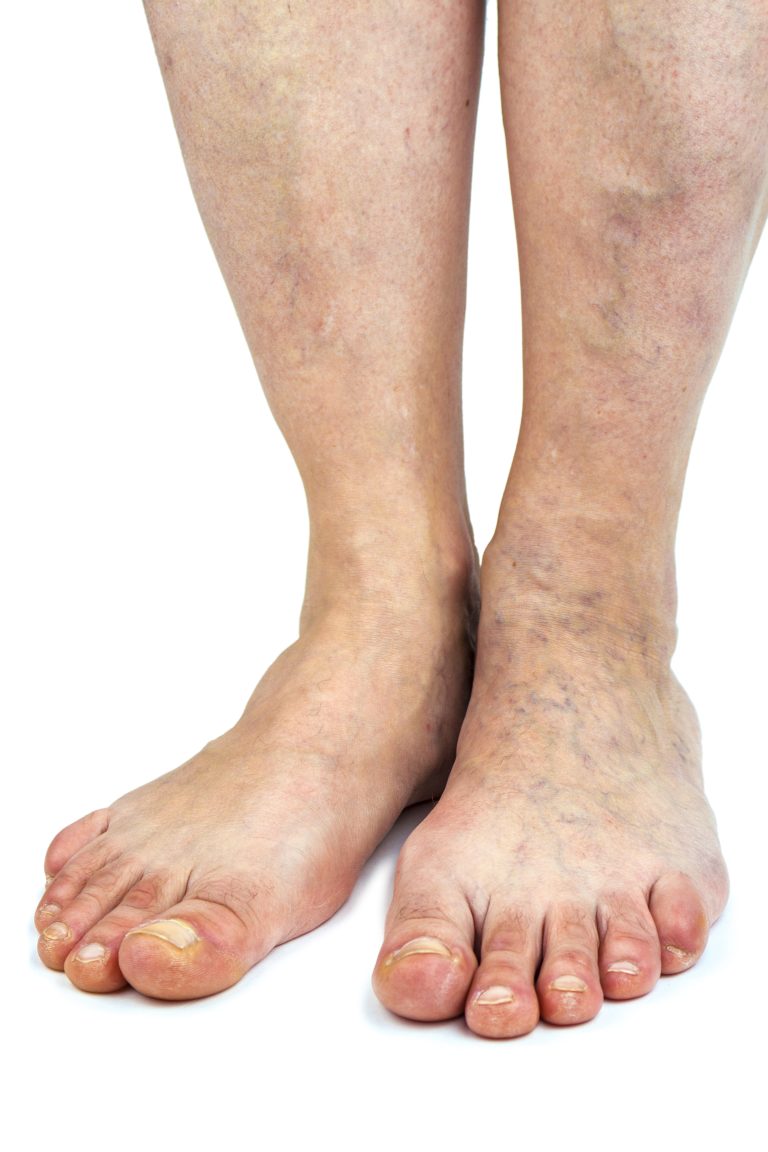
• Swelling, pain, warmth, and skin discoloration in a leg or arm are the most common warning signs of a deep vein clot.
• Vein-related circulation issues, including concerns about clotting, can be evaluated through ultrasound and vascular screening in Schaumburg.
A blood clot occurs when blood thickens and forms a gel-like mass inside a blood vessel, potentially interfering with normal circulation. One serious condition is deep vein thrombosis (DVT), which develops in the deep veins, usually in the legs. If part of the clot breaks loose and travels to the lungs, it can cause a potentially life-threatening pulmonary embolism. Recognizing warning signs such as leg swelling, pain, tenderness, or unexplained redness is important for seeking timely medical attention. Visit Skypoint Vein Center to learn more about vein health, circulation concerns, and available evaluation and treatment options. If a blood clot is suspected, seek prompt medical care rather than delaying evaluation.
What Causes a Blood Clot to Form
Clotting is a normal bodily process that stops bleeding after an injury, but certain conditions push the system into overdrive. According to the CDC’s overview of venous thromboembolism, factors that increase the risk of developing DVT/PE include injury to a vein, slow blood flow caused by limited movement, certain chronic medical illnesses, older age, family history, and increased levels of estrogen.
Common contributors include:
• Extended immobility, such as long flights or bed rest after surgery
• Recent hospitalization, surgery, or injury to a vein
• Pregnancy or estrogen-containing medications
• Obesity, smoking, or a family history of clotting disorders
• Chronic vein conditions, including varicose veins and venous insufficiency
Superficial vein problems can also raise clotting risk. Venous stasis from varicose veins or chronic venous insufficiency is recognized as a major risk factor for superficial vein thrombosis in the legs, according to a clinical overview of superficial vein thrombosis.
Recognizing the Symptoms
Clot symptoms vary depending on location, and some people have none at all. The CDC notes that about half of people with DVT have no symptoms at all, which makes risk-factor awareness especially important.
When symptoms do appear, they typically include:
• Swelling in the affected leg or arm
• Pain or tenderness, often described as cramping
• Warmth over the affected area
• Redness or skin discoloration
A clot that travels to the lungs, called a pulmonary embolism, presents differently. Signs and symptoms of PE can include difficulty breathing, a faster than normal or irregular heartbeat, chest pain or discomfort that usually worsens with a deep breath or coughing, cough or coughing up blood, and very low blood pressure, lightheadedness, or fainting. These symptoms warrant emergency care rather than a routine appointment.
Comparing DVT and PE Symptoms
Feature |
DVT (Leg or Arm) |
PE (Lung) |
|
Common signs |
Swelling, pain, warmth, redness |
Trouble breathing, chest pain, rapid heartbeat |
|
Symptom presence |
Often silent in early stages |
Can occur without prior DVT symptoms |
|
Urgency level |
Needs prompt evaluation |
Considered a medical emergency |
|
Typical trigger |
Immobility, surgery, vein disease |
Untreated or missed DVT |
Left untreated, a DVT carries lasting risk. One-third to one-half of people who have a DVT will have a long-term complication called post-thrombotic syndrome, caused by damage the clot does to the valves in the vein, with symptoms such as swelling, pain, discoloration, and in severe cases scaling or ulcers.
When Evaluation Makes Sense
Persistent leg swelling, unexplained calf pain, or visible vein changes are reasons to seek a vascular evaluation rather than delay care. Vein specialists commonly use duplex ultrasound to assess blood flow and check for possible blood clots in patients with these symptoms. Skypoint Vein Center has a practice in Schaumburg offering vein evaluations to assess circulation concerns associated with swelling and varicose vein disease.
Vascular evaluation for leg swelling and vein-related clot concerns is one of the services listed for the Schaumburg practice, alongside sclerotherapy and laser or radiofrequency vein treatments. A patient noticing new swelling, warmth, or discoloration in one leg should treat it as a reason for prompt evaluation rather than something to monitor at home.
Frequently Asked Questions
1. Can a blood clot go away on its own?
→ Small superficial clots sometimes resolve without intervention, but deep vein clots generally require medical management to reduce the risk of the clot traveling to the lungs.
2. Is leg swelling always a sign of a blood clot?
→ No. Swelling can stem from varicose veins, venous insufficiency, or other causes, which is why a vascular evaluation helps identify the underlying reason.
3. Who is most at risk for blood clots?
→ Risk rises with age, recent surgery or hospitalization, prolonged immobility, pregnancy, estrogen-containing medication use, and chronic vein disease, according to CDC risk-factor data.
4. When should someone seek emergency care instead of a regular appointment?
→ Sudden chest pain, difficulty breathing, or coughing up blood point to a possible pulmonary embolism and require immediate emergency attention rather than a scheduled visit.
A Note on Local Vein Evaluation
Residents researching vein evaluation options in Schaumburg can find the center’s location and contact information on Skypoint Vein Center’s Google Maps listing.
Recognizing the signs of a blood clot early, understanding personal risk factors, and knowing when swelling or pain warrants medical attention are practical steps toward better vascular health. Vein-related circulation concerns are common and often manageable once properly evaluated, making awareness of symptoms the first and most useful line of defense.