In today’s competitive construction and design landscape, UK businesses are increasingly seeking innovative ways to balance quality with cost-effectiveness. The demand for bespoke architectural solutions continues to rise, especially as companies strive to create unique and functional spaces that reflect their brand identity. One approach gaining significant traction is Aluminium Fabrication, a process that combines versatility, strength, and efficiency for custom architectural projects across the United Kingdom.
Why Aluminium Fabrication is the Go-To Choice for Bespoke Projects
Aluminium has long been recognised for its lightweight properties, durability, and resistance to corrosion. These characteristics make it particularly suitable for fabricating bespoke architectural elements, from intricate facades to custom staircases and canopies. But beyond its physical properties, aluminium fabrication offers tangible cost-saving benefits for UK businesses undertaking architectural projects.
Reduced Material and Installation Costs
One of the most significant advantages of aluminium fabrication is its ability to reduce both material and installation expenses:
-
Lightweight Yet Strong: Aluminium’s low density means that less material is required for structural strength, leading to lower raw material costs. Its lightweight nature also means easier handling and transportation, reducing labour expenses.
-
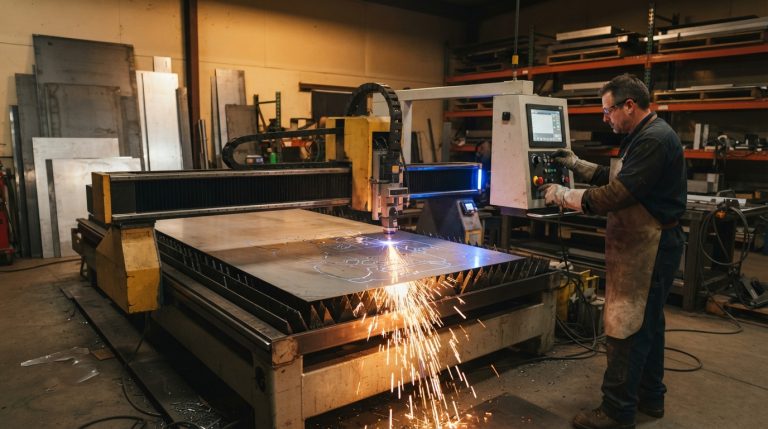
Prefabrication Efficiency: Custom components can be fabricated off-site with precise measurements, minimising waste and ensuring a perfect fit. This reduces the time spent on-site, lowering installation costs and minimising business disruption.
Lower Maintenance and Lifecycle Expenses
Aluminium’s natural resistance to rust and weathering translates into long-term savings:
-
Minimal Maintenance: Unlike steel or timber, aluminium does not require frequent repainting or treatment, significantly reducing ongoing upkeep costs for business owners.
-
Longevity: The durability of aluminium ensures that architectural features retain their appearance and structural integrity for many years, decreasing the need for costly replacements or repairs.
Design Flexibility and Customisation
The versatility of aluminium fabrication empowers architects and business owners to realise bespoke designs without incurring excessive costs:
-
Complex Geometries: Advanced fabrication techniques allow for the creation of intricate shapes and profiles that would be prohibitively expensive or impossible with other materials.
-
Tailored Solutions: Whether it’s a unique entranceway, branded signage, or bespoke interior fittings, aluminium fabrication can be customised to meet specific project requirements, allowing businesses to stand out without overspending.
Environmental and Regulatory Benefits
Increasingly, UK businesses are expected to demonstrate sustainability in their operations. Aluminium is a highly recyclable material, and the fabrication process generates minimal waste, aligning with modern environmental standards. Additionally, using aluminium can help projects meet stringent UK building regulations regarding fire safety and energy efficiency, potentially reducing compliance costs.
Conclusion
For UK businesses involved in bespoke architectural projects, aluminium fabrication offers a compelling blend of cost savings, design freedom, and long-term value. By taking advantage of its lightweight strength, low maintenance requirements, and adaptability, companies can achieve distinctive architectural features while keeping budgets in check. As sustainability and efficiency remain central to modern construction, aluminium fabrication stands out as a smart choice for those seeking to combine innovation with financial prudence.