• Home air quality testing identifies contaminants such as mold spores, volatile organic compounds, particulates, and excess humidity that are not visible during a routine walkthrough.
• Combining visual inspection with instrument-based readings (humidity, particulates, air exchange) gives the most reliable picture of indoor conditions.
• Homes in Edgerton, WI, face seasonal humidity swings and tightly sealed construction that can trap pollutants indoors longer than in older, drafty homes.
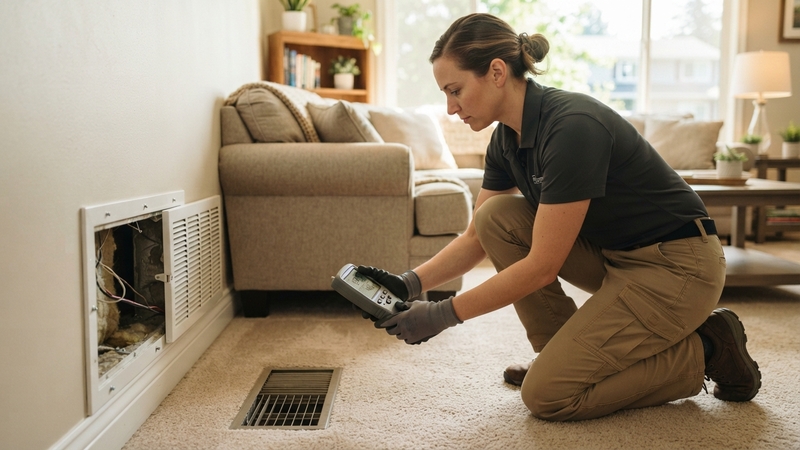
Indoor pollutants often go unnoticed because they lack odor, color, or an obvious source. Home air quality testing near Edgerton, WI, combines moisture readings, particulate checks, and visual inspection of HVAC components to surface problems that a casual walkthrough would miss.
Many homeowners assume that if a room smells clean, the air inside it must be clean too. That assumption overlooks pollutants that build up gradually, including dust mite debris, mold spores trapped in ductwork, and volatile organic compounds released from building materials or cleaning products.
Why Hidden Pollutants Are Hard to Detect Without Testing
Pollutants such as fine particulates and excess humidity rarely cause symptoms right away. A home can look tidy and still carry conditions that encourage mold growth or poor ventilation.
• Mold spores can circulate through ducts long before visible staining appears on walls or ceilings.
• Humidity above recommended levels promotes dust mites and microbial growth without any visible sign at first.
• Volatile organic compounds from paints, adhesives, or stored chemicals dissipate slowly and are undetectable by smell alone once levels drop below the odor threshold.
According to an EPA-based reference guide on home air testing, a radon test (with action recommended at 4 picocuries per liter or higher) and carbon monoxide alarms on every level are considered baseline checks, alongside a monitor for particles and humidity, with humidity kept between 30% and 50%, to track how ventilation and filtration are performing. The same source notes that for outdoor air, the EPA’s annual standard for PM2.5 is 9.0 micrograms per cubic meter, and indoors, a monitor is most useful for spotting spikes and checking whether filtration brings them down.
What a Practical Home Air Quality Check Looks For
A thorough inspection pairs instrument readings with a physical review of the spaces most likely to harbor pollutants.
1. Humidity and moisture levels—Readings outside the 30 to 50 percent range, as referenced in EPA guidance, signal conditions favorable to mold and dust mites.
2. HVAC ductwork and vents—Visual inspection for dust buildup, debris, or microbial growth inside supply and return lines.
3. Dryer vent airflow—Restricted venting can push lint and moisture back into living spaces rather than outdoors.
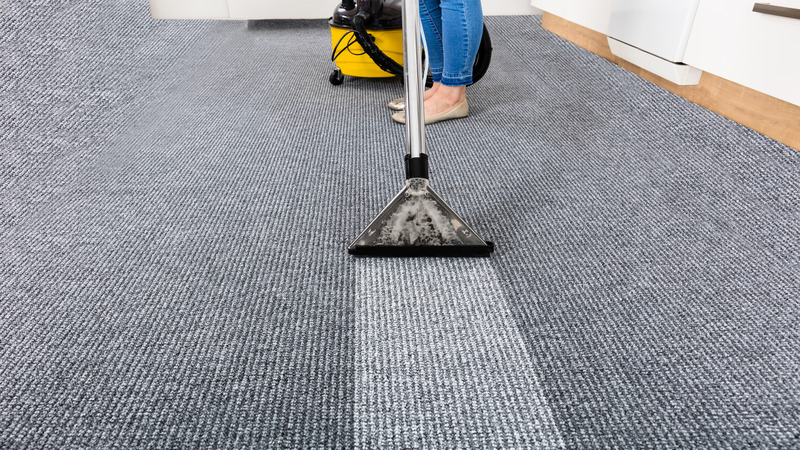
4. Carpet and upholstery residue—Trapped particulates and allergens accumulate in fibers over time, especially in low-traffic rooms.
5. Source areas—Basements, crawl spaces, and bathrooms are checked for moisture intrusion that often precedes visible mold.
| Pollutant Type | Common Source | Typical Detection Method |
| Mold spores | Ductwork, damp basements | Visual inspection, humidity reading |
| Excess humidity | Poor ventilation, seasonal moisture | Hygrometer reading |
| Dust and particulates | Carpets, HVAC filters, upholstery | Particulate monitor, duct inspection |
| VOC residue | Cleaning products, building materials | Odor and source review |
Seasonal Factors That Affect Indoor Air in Edgerton, WI
Wisconsin winters bring tightly sealed homes with reduced air exchange, which concentrates indoor pollutants that would otherwise dissipate through open windows. Spring thaw and summer humidity swings in Edgerton, WI, add another variable, raising moisture levels that can push a home’s humidity above the recommended range if ventilation is inadequate.
Homes with older ductwork or infrequent HVAC maintenance are more likely to show elevated dust and debris levels when inspected. Seasonal transitions are a practical time to check humidity and airflow, since conditions shift quickly between heating and cooling cycles.
Based in Janesville, WI, SE Cleaners LLC extends its cleaning and inspection work to households across Edgerton, WI, where seasonal humidity and sealed construction make periodic air quality review a practical maintenance step.
Frequently Asked Questions
How often should a home be checked for hidden pollutants? Seasonal transitions, particularly before winter heating season and after spring thaw, are practical times to review humidity levels and HVAC condition.
Can hidden pollutants be present even without visible mold? Yes. Moisture buildup and particulate accumulation in ductwork or carpet fibers can occur before any staining or visible growth appears.
What indoor humidity range is considered acceptable? EPA guidance referenced by air quality resources recommends keeping indoor humidity between 30 and 50 percent, and below 60 percent, to limit mold and dust mite activity.
Does HVAC duct condition affect indoor air quality testing results? Ductwork that has not been cleaned can circulate trapped dust, debris, and microbial growth throughout a home, which is why visual duct inspection is often paired with humidity and particulate readings.