Muscle tension can make everyday activities—from turning your head to climbing stairs—feel uncomfortable. When stretching, rest, or other conservative care has not provided enough relief, you may be looking into treatment options and wondering what to expect from a search for Dry needling ponte vedra beach FL. Understanding how the technique works and who may benefit can help you decide whether to discuss it with a qualified provider.
What dry needling involves
Dry needling is a treatment in which a trained clinician inserts a thin, solid needle into targeted areas of muscle, often points that feel tight or tender. These points may be associated with restricted movement or referred pain—discomfort felt in an area beyond the site being treated. The needle does not inject medication; “dry” refers to the absence of injected fluid.
Although it uses a needle, dry needling is not the same as acupuncture. The techniques may look similar, but dry needling is generally used within a physical rehabilitation plan to address muscle and movement concerns. A clinician should explain the approach and obtain your consent before treatment.
How it may help with muscle tension
Inserting a needle into a sensitive muscle area may produce a brief local twitch response. Some people experience a reduction in tightness or tenderness afterward, which may make it easier to move the affected area. Researchers continue to study exactly how dry needling works, and results can vary. It is not a guaranteed fix or a replacement for addressing factors that contribute to tension, such as repetitive movements, prolonged postures, or changes in activity.
Dry needling is often one part of a broader plan. Depending on your needs, a provider may pair it with movement exercises, stretching, strengthening, manual techniques, or guidance on adjusting daily activities. Combining treatment with appropriate exercises may help you build lasting mobility and manage recurring discomfort.
What to expect at an appointment
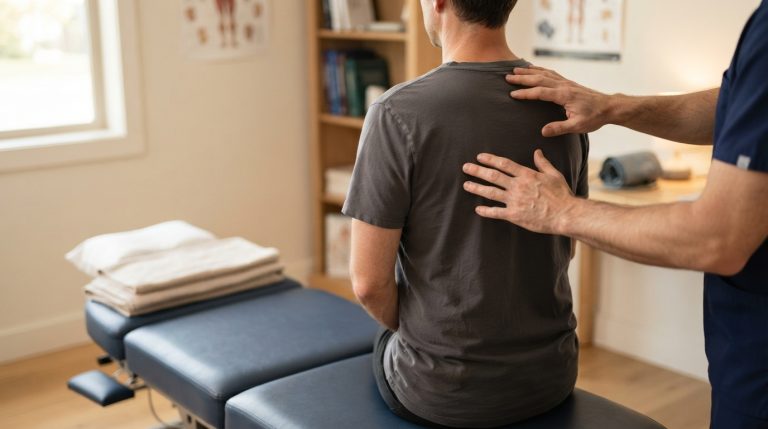
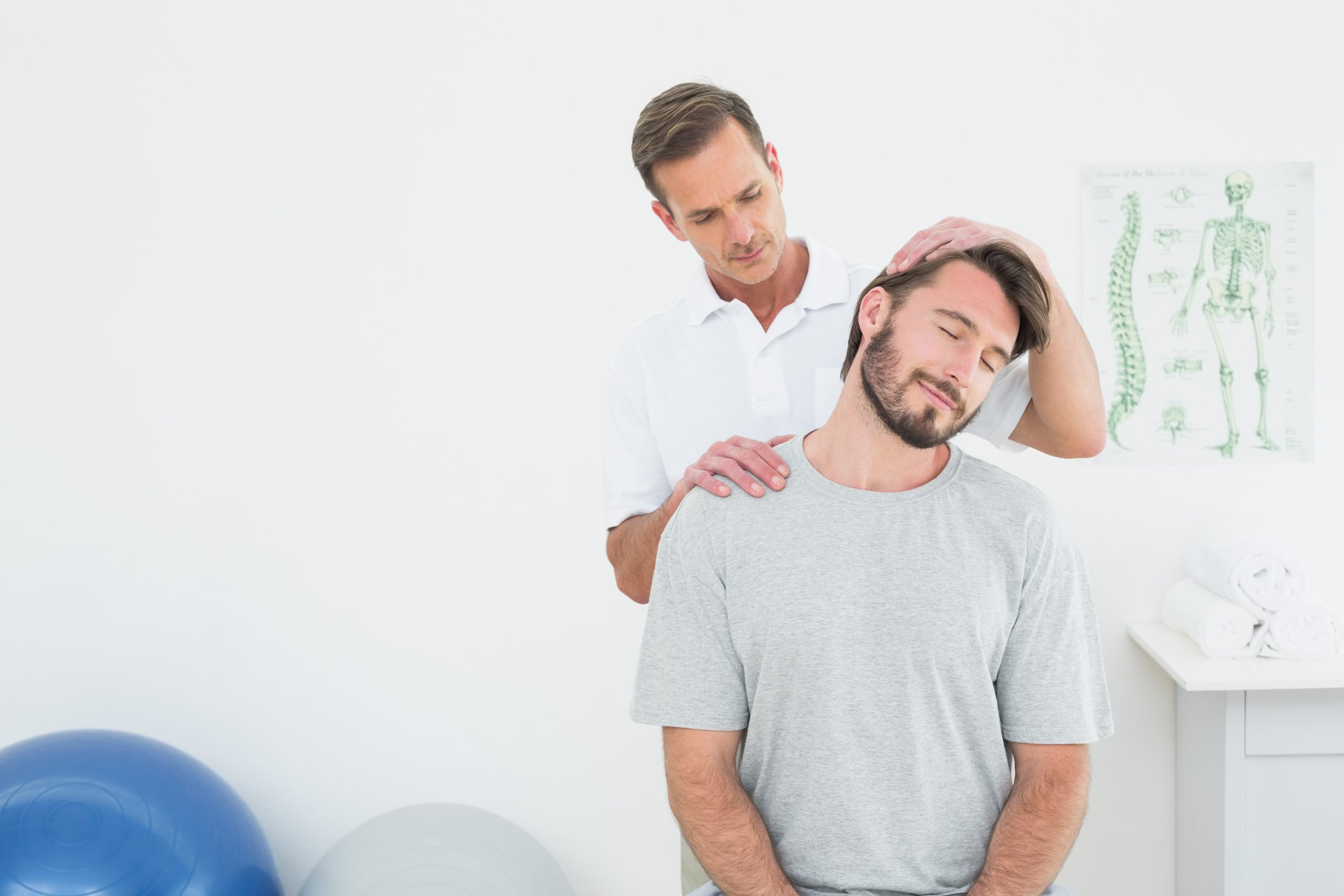
Your clinician should first ask about your symptoms, health history, goals, and any medications or conditions that may affect treatment. They may assess your movement and identify areas that could be contributing to your discomfort. You can ask how many sessions may be considered, what sensations are normal, and how progress will be evaluated.
During treatment, you might feel a brief prick, ache, or muscle twitch. Temporary soreness or minor bruising can occur afterward, and some people feel tired for a short time. Follow your clinician’s aftercare instructions, and let them know if symptoms are severe, unusual, or persist. Seek urgent medical care for serious symptoms such as difficulty breathing, particularly after treatment in the chest or upper back area.
Is it right for you?
Dry needling may be considered for some muscle-related pain or movement limitations, but it is not suitable for everyone. Share relevant health information—including pregnancy, bleeding concerns, needle sensitivity, or a history of fainting—with your provider. A licensed, properly trained clinician can explain potential benefits and risks and help determine whether another approach is more appropriate.
Muscle tension often responds best to care tailored to its causes and your goals. Dry needling may offer short-term relief for some people, especially when combined with a thoughtful rehabilitation plan. A conversation with a qualified clinician can help you understand your options, set realistic expectations, and choose next steps that support comfortable movement.