In short:
• Solids control removes drilled cuttings and fine particles from drilling fluid, protecting equipment and well integrity.
• Proper solids separation reduces fluid waste volumes, supporting compliance with evolving federal wastewater standards.
• Operators serving sites near Jourdanton, TX benefit from closed-loop systems that limit disposal costs and downtime.
Proper solids control keeps drilled cuttings and fine particles out of drilling fluid, which protects downhole equipment, maintains fluid properties, and reduces waste volumes that must be hauled off or disposed of. Operations that skip or under-engineer this step typically face higher fluid costs, more frequent equipment wear, and larger waste disposal bills.
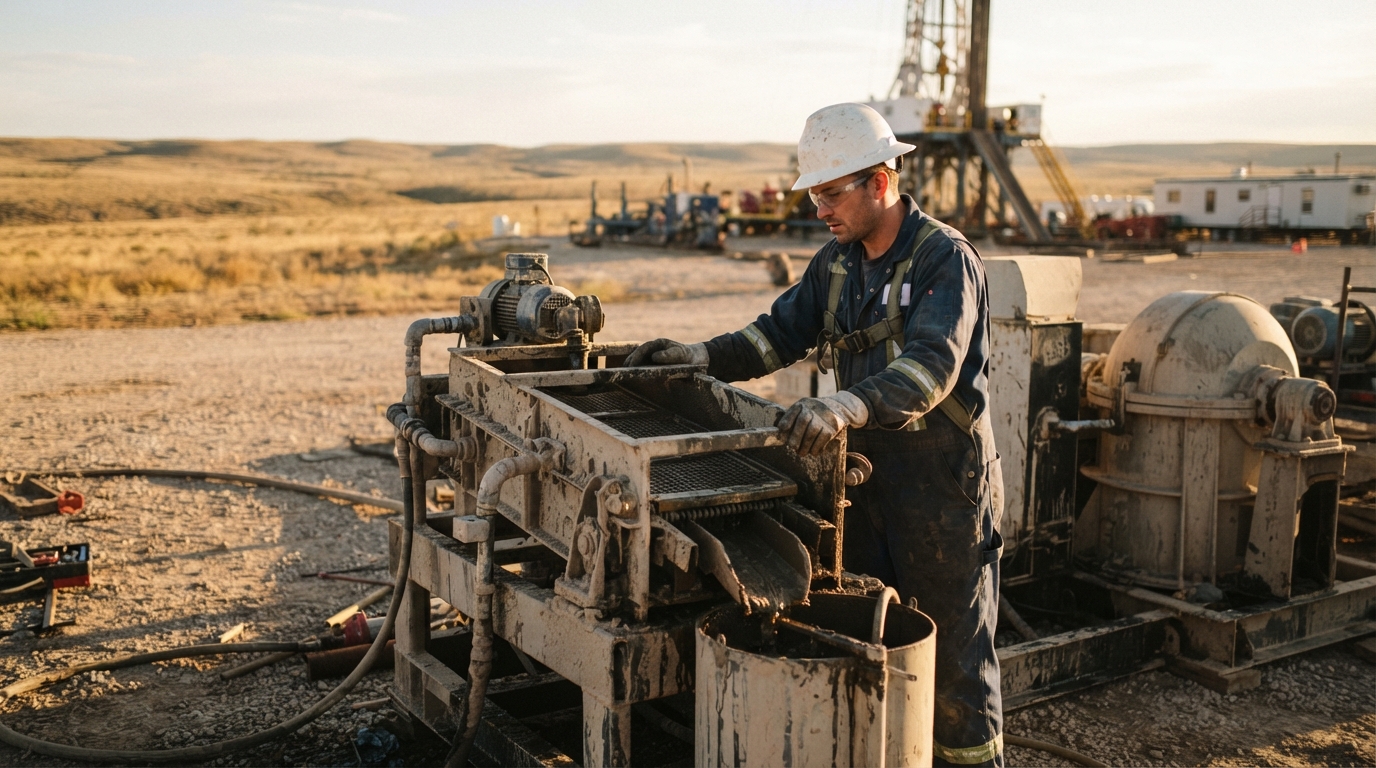
Drilling fluid, often called mud, carries rock cuttings up from the wellbore and lubricates the drill string along the way. Without a dedicated system to separate those solids back out, the fluid becomes progressively thicker and less effective, which is why Solids Control in Jourdanton, TX uses equipment such as shakers, centrifuges, and hydrocyclones at the surface during active drilling. These machines process returning fluid continuously, pulling out cuttings before the fluid is recirculated downhole.
For crews working sites around Jourdanton, TX, this equipment chain has to function in demanding field conditions, including high ambient temperatures, dust, and variable formation types common to South Texas drilling. A well-maintained separation train reduces how often fresh mud must be mixed, which lowers both material costs and the volume of waste that eventually needs transport and disposal.
Why Solids Separation Protects Equipment and Well Performance
Fine solids that stay suspended in drilling fluid act like an abrasive, accelerating wear on pumps, drill bits, and downhole tools. Removing those particles early in the fluid cycle extends the service life of rig equipment and reduces unplanned maintenance stops.
• Lower abrasive wear on mud pumps, drill string components, and bit cutters.
• More consistent fluid viscosity and density, which supports accurate pressure control.
• Fewer fluid-related delays, since thickened or contaminated mud can slow drilling progress.
• Reduced likelihood of stuck pipe incidents tied to poor hole cleaning.
Each of these outcomes ties back to how efficiently the surface separation equipment captures drilled solids before they recirculate. A system that is undersized or poorly matched to the formation being drilled will let more fines pass through, which compounds equipment stress over the life of a well.
Waste Volume Reduction and Regulatory Considerations
Every barrel of fluid that is not reused because of excess solids contamination becomes waste that must be managed under state and federal rules. Drilling waste from oil and gas exploration and production activities falls under a nonhazardous solid waste category, and states regulate its handling through approved solid waste management plans, as outlined by the EPA’s guidance on E&P waste management. Efficient solids separation directly reduces the volume of waste generated at the wellsite, which can lower transport and disposal costs tied to that regulatory framework.
Dewatering technology, often paired with centrifuge systems, further reduces waste volume by separating residual liquid from solid cuttings before disposal. This step matters for operators who want to minimize the footprint of waste pits or containers at a drilling location, particularly on leases with limited surface space.
Comparing Common Solids Control Equipment
| Equipment Type | Primary Function | Best Suited For |
| Shale shakers | First-stage removal of large cuttings | All active drilling operations |
| Hydrocyclones (desanders/desilters) | Mid-stage removal of finer sand and silt | Higher-solids-content fluid systems |
| Centrifuges | Fine-particle separation and dewatering | Operations targeting waste volume reduction |
| Closed-loop systems | Integrated multi-stage separation with minimal pit use | Sites with limited surface space or stricter waste rules |
Selecting the right combination depends on formation characteristics, fluid type, and site constraints, which is why many operators rely on engineered systems rather than a single piece of standalone equipment.
Field Considerations for Jourdanton, TX Operations
Drilling programs in and around Jourdanton, TX often involve shale and mixed sedimentary formations that generate variable solids loading depending on depth and drilling rate. Surface space at many South Texas pad sites is limited, which makes compact, closed-loop separation systems more practical than large open pits. Seasonal heat in the region can also affect fluid viscosity and equipment performance, making consistent maintenance checks on shakers and centrifuges a practical operational habit rather than an optional one.
What happens if solids control equipment is undersized for a well? Undersized equipment allows more fine solids to recirculate in the drilling fluid, which increases abrasive wear on pumps and tools and raises the volume of fluid that must eventually be replaced.
How does solids control affect disposal costs? Better separation reduces the total volume of waste fluid and cuttings generated, which lowers the amount that must be hauled, treated, or disposed of under applicable state waste rules.
Is centrifuge technology necessary for every drilling operation? Not always. Centrifuges are most valuable when fine-particle removal or fluid dewatering is a priority, such as on sites with strict waste volume targets or limited surface space.
Can solids control systems be adjusted for different formations? Yes. Equipment configurations, such as shaker screen mesh size or hydrocyclone cone sizing, are typically adjusted based on the cuttings profile of the formation being drilled.
Based in USA, the company serves customers across Jourdanton, TX with equipment and systems used in drilling fluid separation.
Current service details for Click Here are published for operators evaluating solids control equipment options.