The gist:
• Regular building maintenance checks protect structural safety, legal compliance, and property value over time.
• Core checks cover fire safety systems, electrical installations, water systems, and the building fabric itself.
• Commercial property owners in London face specific statutory inspection and record-keeping duties that differ from routine upkeep.
Property owners who want to avoid costly failures and compliance breaches need a structured approach to inspections rather than reactive fixes. Consistent building maintenance reduces the risk of system breakdowns, keeps statutory documentation current, and helps buildings remain safe for occupants throughout the year.
Many property owners only notice a maintenance gap once something fails, by which point repairs are more disruptive and expensive. A scheduled inspection routine catches small issues, such as a loose handrail or a flickering emergency light, before they become larger hazards or compliance failures for anyone living or working in London.
Structural and Fabric Checks to Prioritise
The building envelope is the first line of defence against weather damage and deterioration. Owners should examine these areas on a seasonal basis:
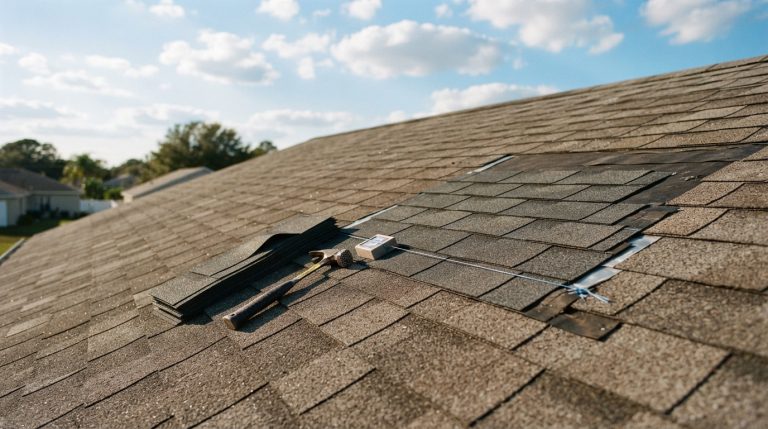
• Roof coverings, flashings, and guttering for blockages or damage
• External walls and render for cracking or water penetration
• Window and door seals for draughts or failed glazing units
• Internal plasterwork and ceilings for damp staining or movement
Damp and mould have become particular points of scrutiny for landlords. Compliance is not a one-time event, as landlords must ensure the property remains fit for habitation at all times, meaning they must respond to repair requests within mandated timeframes, particularly those concerning damp, mould, and heating failures.
Mechanical, Electrical and Fire Safety Inspections
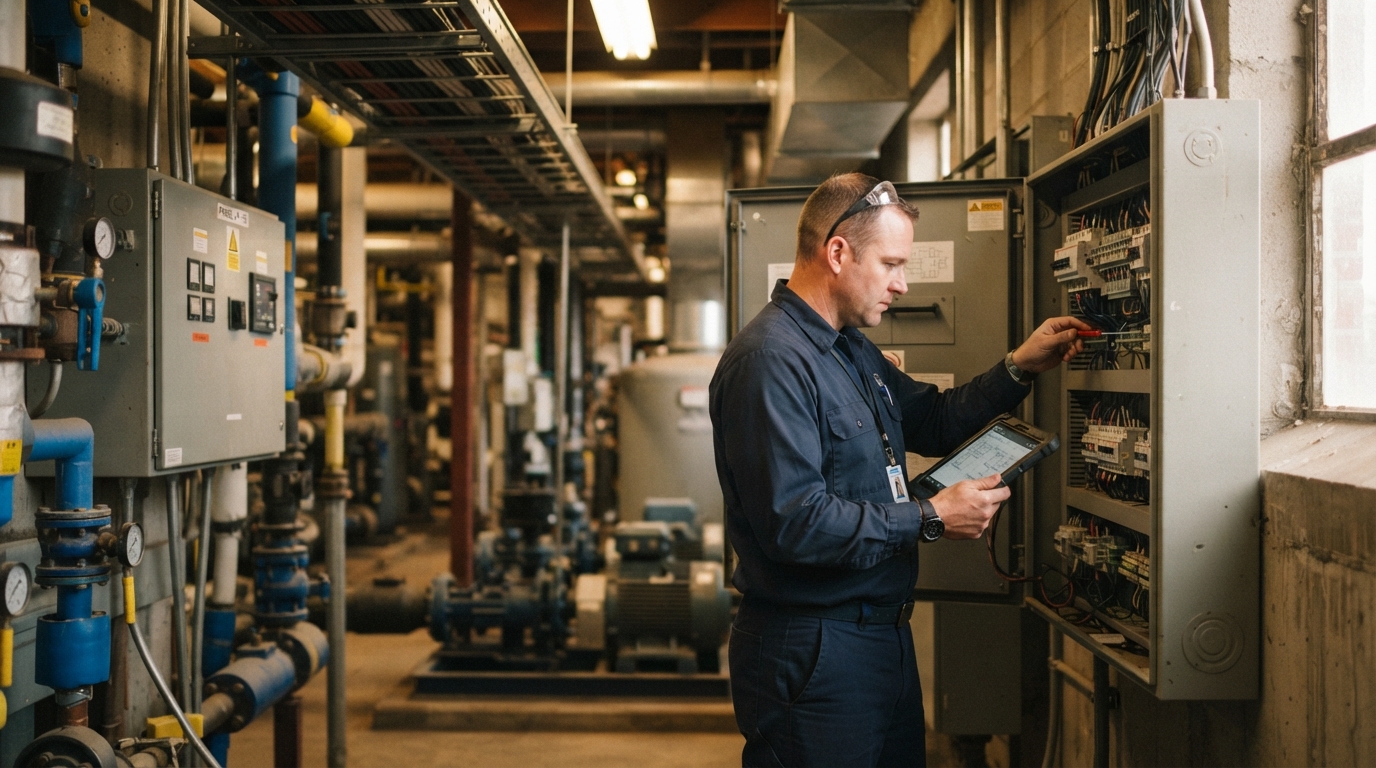
Mechanical and electrical systems carry the most significant safety and legal weight in any maintenance programme. Commercial landlords in particular have defined duties here.
| Check Type | Typical Frequency | Why It Matters |
| Fixed wire electrical testing | Every 5 years (commercial) | Confirms wiring remains safe and compliant |
| Emergency lighting inspection | Monthly function test, annual full test | Ensures safe evacuation during power loss |
| Fire alarm testing | Weekly test, annual service | Verifies detection and alert systems function |
| Legionella risk assessment | Reviewed regularly, records kept | Reduces risk of waterborne illness |
General building maintenance includes ensuring any common areas are safe, and that electrical appliances needed for the running of the building are in good working order and tested regularly. Each building should have its own specific risk assessment, focused on the areas highlighted as the owner’s responsibility, such as communal areas.
Record-keeping matters as much as the checks themselves. HSE guidance recommends keeping a legionella risk assessment while it remains current plus two years, with monitoring records retained for at least five years. Owners managing multi-let or commercial buildings in London should treat this documentation as an ongoing administrative task, not a once-a-year scramble. The Health and Safety Executive publishes current guidance on workplace inspection duties and risk assessment practice that applies to building owners and those managing premises.
Water Systems, Heating and Compliance Records
Heating and water systems require their own inspection cycle, separate from general fabric checks. Maintenance and annual safety checks should be carried out by a qualified Gas Safe registered engineer, with duties placed on landlords to ensure gas appliances and flues are maintained in a safe condition and records kept and issued to tenants.
Beyond gas safety, owners should verify:
1. Boiler servicing dates and manufacturer warranty conditions
2. Water pressure and leak detection at key isolation points
3. Insulation and pipe lagging ahead of colder months
4. Ventilation and extraction systems for office or communal areas
Regular updates to risk assessments and maintenance schedules for areas like fire safety and HVAC systems form part of this wider compliance picture. Buildings across London face variable weather exposure, from winter freeze-thaw cycles affecting pipework to summer humidity increasing condensation risk, both of which make seasonal inspection timing worth planning around rather than leaving to chance.
How often should a commercial building undergo a full maintenance inspection? Frequency depends on the system in question. Fire alarms typically need weekly checks with an annual service, while fixed wire electrical testing is generally carried out every five years for commercial premises, with more frequent checks for higher-risk equipment.
Who is legally responsible for building maintenance checks? Responsibility usually sits with whoever manages the building or is named in the lease agreement, which may be the landlord, a managing agent, or in some cases the tenant if the lease specifies this.
What records should a property owner keep for compliance purposes? Owners should retain inspection reports, servicing certificates, risk assessments, and repair logs. Retention periods vary by system, so checking current HSE guidance for each specific requirement is recommended.
Does building maintenance cover communal areas in shared properties? Yes. Common areas such as stairwells, lobbies, and shared plant rooms typically fall under the building owner’s or managing agent’s maintenance responsibility, separate from individual tenant obligations.
Finding Reliable Maintenance Support
Based in Central London, we serve customers across London with planned and reactive building maintenance services for commercial properties.
Further background on commercial building maintenance planning and service structure is available through Learn More About Core Integrated Group.