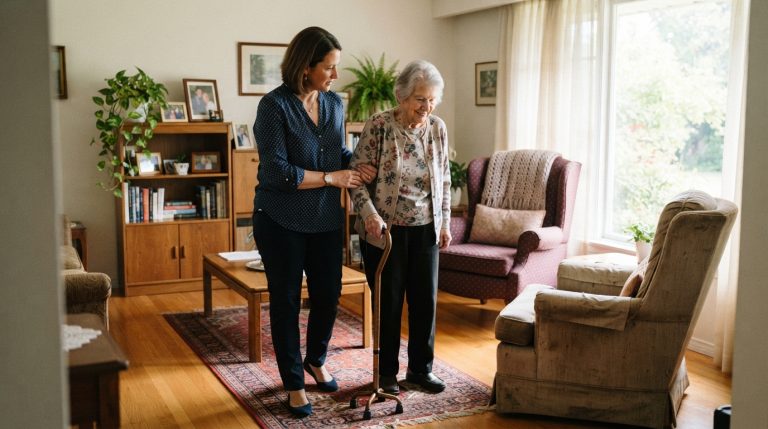
A familiar home can offer comfort and independence as a person ages, but everyday routines may become harder to manage safely. Families searching online for 24hr care at home in Edina, MN may be looking for support that keeps a loved one accompanied and cared for throughout the day and night. Around-the-clock care can provide consistent supervision while helping seniors maintain familiar routines.
What 24-Hour Awake Care Can Include
Unlike a service where a caregiver sleeps during an overnight shift, 24-hour awake care means a caregiver remains alert and available throughout the shift. Depending on an individual’s needs, support may include help with bathing, dressing, meals, mobility, medication reminders, and bedtime or morning routines. Caregivers can also offer companionship and notice changes in a person’s behavior or condition that family members may not see during occasional visits.
The level of assistance should reflect the senior’s preferences and abilities. Some people need hands-on help moving between rooms, while others mainly benefit from someone nearby when they get up at night. Discussing routines, health concerns, and personal goals in advance helps create a plan that is both respectful and practical.
Reducing Risks at Home
Many safety concerns arise during ordinary activities. A senior may lose balance while walking to the bathroom, feel dizzy when standing, or forget a step in a familiar routine. With an awake caregiver present, help is available promptly. This can reduce the chance that a minor incident becomes more serious because no one is nearby.
Caregivers can also support safer movement by following the senior’s care plan, encouraging the use of prescribed mobility aids, and keeping commonly used items within easy reach. They may notice hazards such as cluttered walkways, poor lighting, loose rugs, or frequently used objects stored too high. Families can address these risks by improving lighting, clearing pathways, adding grab bars where appropriate, and keeping emergency contacts accessible.
In Edina, seasonal conditions also matter. Snow and ice can make entrances and walkways hazardous, while cold weather may affect plans for errands or appointments. A caregiver can help a senior prepare to go out safely, monitor indoor comfort, and coordinate with family when conditions make a trip unwise.
Support for Families and Changing Needs
Continuous care can reassure relatives who worry about falls, nighttime confusion, or a loved one being alone during an emergency. It also allows family caregivers to rest, work, and manage other responsibilities without being the sole source of supervision. Regular communication helps relatives stay informed about daily routines and emerging concerns.
Needs may change over time, so families should review the care plan periodically. Consider whether the senior is sleeping differently, needing more help with transfers, eating less, or showing new confusion. Share these observations with the appropriate health care professional and adjust home support as needed. Care at home is not a substitute for medical treatment, but it can help carry out day-to-day support in coordination with a person’s care team.
Safer living at home depends on consistent attention, practical adaptations, and care tailored to the individual. Awake, around-the-clock support can help seniors with daily tasks, reduce risks, and maintain familiar routines while giving families greater peace of mind. Start by identifying the times and activities that feel least safe, then use those details to guide a thoughtful care plan.