The gist:
• A qualified water well drilling contractor manages site evaluation, drilling, casing, and testing to protect groundwater quality and supply reliability.
• Licensed contractors follow state well construction standards designed to prevent contamination and structural failure.
• Based in Brooksville, FL, Click Here for Water Well Drilling serves customers across Inverness, FL for water well drilling needs.
A reliable water supply starts with proper well construction, which is why engaging a trained water well drilling contractor matters before any digging begins. Groundwater access depends on correct depth, casing, and sealing choices that only an experienced driller can determine for a specific property.
Homeowners searching for a Water Well Drilling Contractor are often trying to secure a private water source for a new build, replace an aging well, or address inconsistent water pressure. The process involves more than boring a hole into the ground. It requires geological assessment, adherence to local well codes, and equipment calibrated to the area’s subsurface conditions.
What a Water Well Drilling Contractor Actually Does
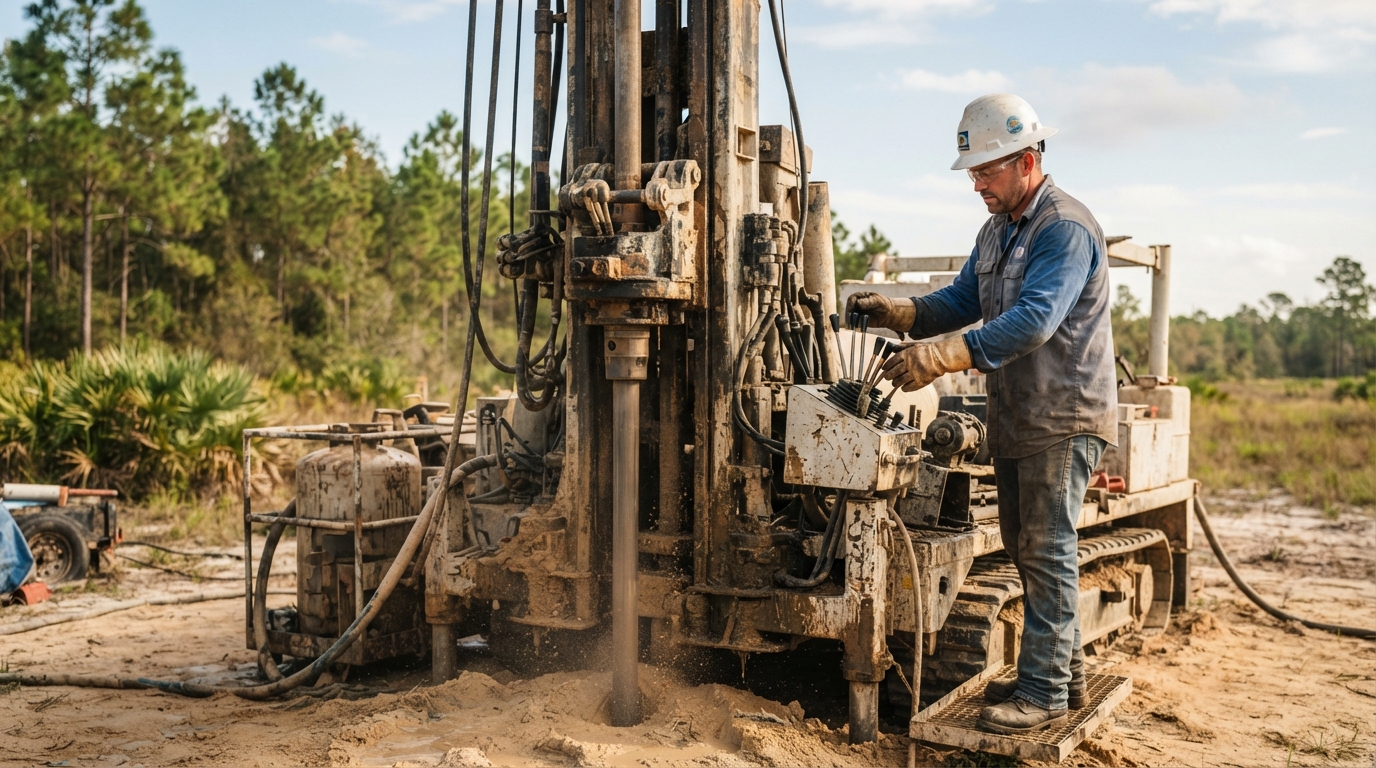
Drilling a well involves a sequence of technical steps that protect both water quality and long-term equipment performance.
• Site evaluation to identify suitable drilling locations based on geology and setback requirements
• Drilling and casing installation to stabilize the borehole and prevent collapse
• Grouting and sealing to block surface contaminants from entering the aquifer
• Well development and testing to confirm adequate flow and water clarity
Each phase builds on the last. Skipping proper casing or grouting can allow runoff, bacteria, or chemical residue to seep into the water column, creating long-term contamination risks that are expensive to reverse.
Why Soil and Aquifer Conditions Matter in Inverness, FL
Central Florida’s limestone-based aquifers and sandy soil layers influence how deep a well must be drilled and what casing materials hold up best over time. Properties in Inverness, FL often sit above the Floridan aquifer system, which supplies much of the region’s groundwater. Local drilling decisions typically account for seasonal water table shifts, since Florida’s wet and dry seasons can affect yield and water clarity in shallower wells.
The EPA’s private well guidance outlines baseline recommendations for well placement, testing frequency, and contamination prevention that apply broadly to private groundwater systems. Following these principles reduces the likelihood of bacterial intrusion or nitrate contamination, both of which are more common in areas with septic systems or agricultural runoff nearby.
Permits, Standards, and Inspection Requirements
Florida regulates well construction through state-level permitting administered by water management districts. A contractor familiar with these requirements typically handles the permit application, well placement verification, and final inspection documentation.
| Step | Purpose | Typical Timing |
| Permit application | Confirms legal well placement and setback compliance | Before drilling begins |
| Drilling and casing | Establishes structural integrity of the well | During construction |
| Water testing | Verifies safety for consumption or irrigation use | After well completion |
| Final inspection | Confirms compliance with state well codes | Before well is placed in service |
Skipping any of these steps can result in a well that fails inspection or produces unsafe water, requiring costly rework later.
Maintaining Water Safety After Installation
A newly drilled well is not a one-time project. Water quality can shift due to seasonal rainfall, nearby land use changes, or aging components.
1. Schedule annual water testing for bacteria, nitrates, and pH balance.
2. Inspect the wellhead and casing for cracks or corrosion.
3. Monitor pump performance for changes in pressure or flow.
4. Address any unusual taste, odor, or color immediately rather than waiting for a scheduled check.
Routine attention catches small issues, like a loose seal or declining flow rate, before they become expensive repairs or health concerns.
Frequently Asked Questions
How deep do residential wells typically need to be drilled? Depth depends on local aquifer conditions and varies significantly by property, so a site-specific geological assessment is the only reliable way to determine the right depth.
How often should well water be tested? Annual testing for bacteria and nitrates is a common baseline recommendation, with additional testing after flooding or noticeable changes in water quality.
What causes a well to lose water pressure over time? Pressure loss can stem from pump wear, sediment buildup, or a declining water table, each requiring different diagnostic steps to resolve.
Does Florida require a permit for new well construction? Yes, private well construction in Florida requires permitting through the applicable water management district before drilling begins.
Business Info
Based in Brooksville, FL, Bishop’s Well Drilling provides well drilling services to properties throughout the surrounding region. For more information about its services, Click Here for Water Well Drilling.
Next Steps for Well Owners
Well owners can find additional information about service areas, available drilling solutions, and contact details through Click Here for Water Well Drilling.