A loose cabinet handle or a squeaky hinge can turn into a quick, satisfying fix with the right tool. If you’re comparing options online, searching for Screwdrivers can help you explore choices for everything from household maintenance to delicate repairs. The best pick depends on the fastener, the space you’re working in, and how often you expect to use it.
Match the Tip to the Fastener
A close fit is the first rule of choosing a driver. The tip should sit snugly in the screw’s recess without rocking or slipping. A poor match can damage the screw head, make the job harder, and increase the chance of a hand injury.
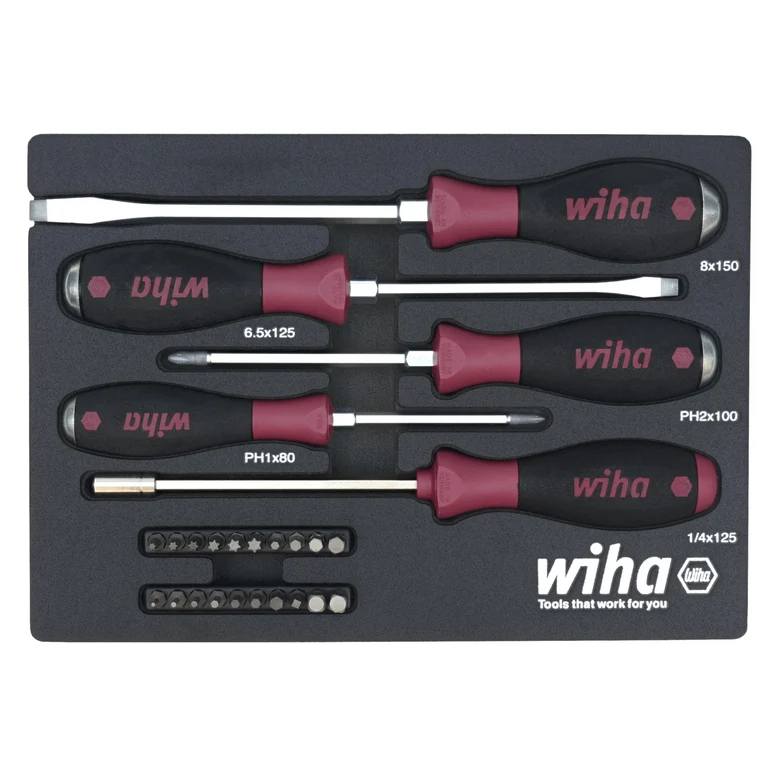
Common types include:
- Flathead: Designed for screws with a single straight slot. Choose a tip that fits the slot’s width and depth.
- Phillips: Recognizable by its cross-shaped tip, this style is common in furniture, fixtures, and household appliances. Different sizes are available, so check that the tip fills the recess.
- Square and star-shaped: These tips engage their matching fasteners securely and are often used in cabinetry, decking, and other projects.
- Precision: Smaller tips are useful for eyeglasses, electronics, small appliances, and other delicate items. A rotating end cap can help you apply controlled pressure.
Before starting, inspect the screw head and select the matching tip. If it wobbles or starts to climb out as you turn, stop and try another size.
Choose a Handle That Feels Right
Comfort and control matter, especially when a repair involves several fasteners. A handle that fits your hand and has a nonslip surface can make turning easier. Wider handles usually provide more leverage for larger screws, while slim handles help with detailed work and tighter spaces.
Consider the shaft, too. A longer shaft can reach recessed or awkwardly positioned screws, but a shorter one may offer better control in confined areas. Magnetic tips can help hold a screw in place when working overhead or in a hard-to-reach spot. They’re convenient, though they aren’t essential for every task.
Build a Practical Home Kit
You don’t need a large collection to handle common household jobs. Start with a few frequently used tip styles and sizes, then add specialty options as projects call for them. A compact set with clearly labeled sizes can save time and reduce guesswork.
For regular repairs, look for sturdy construction and a comfortable grip. Keep tools dry, wipe away dust or residue after use, and store them where the tips won’t be damaged. Worn or chipped tips are more likely to slip, so replace them when they no longer fit securely.
Work Safely and Avoid Stripped Screws
Use the tool by hand when a task calls for careful control. Press the tip firmly into the screw and turn steadily; excessive force or a tilted angle can damage the fastener. If a screw is stuck, apply a suitable penetrating lubricant and give it time to work rather than forcing the turn.
A well-chosen set makes everyday fixes more straightforward and helps protect both fasteners and finished surfaces. Match the tip carefully, prioritize comfort and access, and keep a few dependable sizes within reach. With those basics covered, you’ll be ready for many home repairs and weekend projects.