Cincinnati’s changing seasons can put a home’s heating and cooling systems to the test. Hot, humid summers, chilly winters, and sudden shifts in temperature make year-round comfort depend on more than simply adjusting the thermostat. Homeowners researching heating and air conditioning in Cincinnati can use this guide to understand seasonal needs, routine maintenance, and the signs that equipment may need attention.
Prepare for Cincinnati’s Changing Seasons
A reliable comfort plan starts with understanding what local weather asks of a home. Summer humidity can make indoor spaces feel warmer than the thermostat reading suggests, while winter cold can expose drafts and uneven heating. Spring and fall may bring rapid temperature changes, so a system that switches between heating and cooling needs to be ready for both.
Before each major season, check that supply and return vents are open and clear of furniture, rugs, and curtains. Replace or clean the air filter according to its instructions; many homes need a new filter every one to three months, though pets, dust, and frequent system use can shorten that interval. A clogged filter restricts airflow, makes equipment work harder, and can reduce comfort.
It also helps to test the thermostat before extreme weather arrives. Confirm that heating and cooling modes operate as expected, and consider a programmable schedule that adjusts temperatures when household members are asleep or away. Small, consistent setbacks can reduce energy use without requiring uncomfortable temperature swings.
Keep Heating Dependable in Winter
When temperatures fall, a furnace or heat pump must deliver steady warmth without sacrificing safety or efficiency. Keep the area around indoor equipment clear, and make sure outdoor heat pump units are free of leaves, snow, and other obstructions. Never block combustion air openings or flues, and do not store flammable materials near heating equipment.
Pay attention to performance. Rooms that remain cold, unusual noises, frequent cycling, or a sudden rise in utility costs may indicate an airflow, thermostat, or equipment problem. A burning-dust smell when heat is first turned on can be normal after months of disuse, but persistent odors, repeated shutdowns, or signs of scorching warrant prompt attention.
Carbon monoxide safety is essential in homes with fuel-burning appliances. Install carbon monoxide detectors near sleeping areas and on each level, test them regularly, and replace batteries as directed. Annual professional inspection and maintenance can help identify worn parts, venting concerns, and other issues before the heating season is in full swing.
Manage Summer Heat and Humidity
Air conditioning does more than lower the temperature. In Cincinnati’s humid summers, it also removes moisture from indoor air. If a home feels clammy even when it is cool, the system may be oversized, airflow may be restricted, or the condensate drain may need attention. Persistent humidity can affect comfort and encourage mold growth, so it should not be ignored.
Keep blinds or curtains closed during the sunniest hours, especially on windows that receive direct afternoon light. Use kitchen and bathroom exhaust fans to remove moisture at its source, and check that the outdoor condenser has adequate clearance for airflow. Gentle rinsing can remove loose debris from exterior coil surfaces, but delicate fins can bend easily; leave deeper cleaning and repairs to a qualified technician.
Set the thermostat to a comfortable, steady temperature rather than making dramatic adjustments. Lowering it far below the desired setting will not cool a home faster and may keep the system running longer than necessary. Ceiling fans can improve comfort in occupied rooms, but turn them off when rooms are empty.
Improve Efficiency and Indoor Comfort
Good equipment performance depends on the whole home, not just the furnace or air conditioner. Seal gaps around doors and windows, add weatherstripping where needed, and make sure attic insulation is adequate. These improvements help limit heat loss in winter and heat gain in summer, allowing equipment to maintain a more stable indoor temperature.
For households comparing Cincinnati HVAC options or considering a replacement, equipment size matters. A system that is too small may struggle during extreme weather, while an oversized system can cycle on and off frequently and may not control humidity well. A professional load calculation considers the home’s size, insulation, windows, air leakage, and layout. Efficiency ratings are useful, but the right fit and proper installation are just as important.
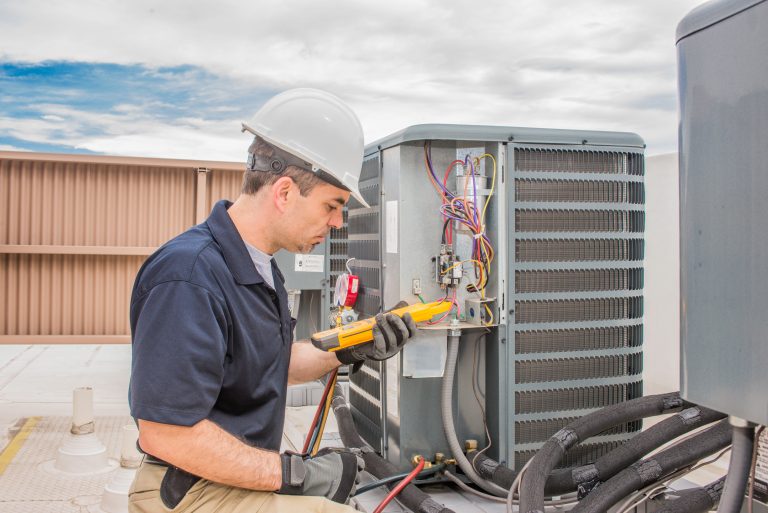
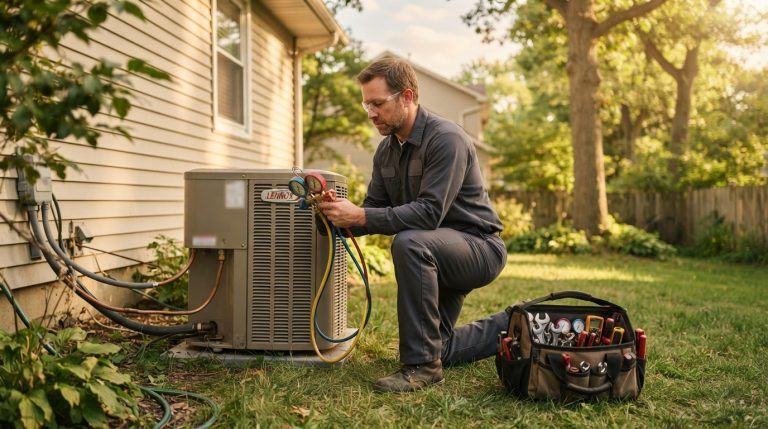
Regular maintenance should include more than a quick visual check. Depending on the system, a technician may inspect electrical connections, measure airflow, clean components, verify refrigerant performance, and check safety controls. Keeping a record of service dates, filter changes, and recurring symptoms can also help identify patterns.
Plan Ahead for Lasting Comfort
Year-round home comfort comes from a combination of preparation, sensible thermostat settings, clean filters, safe operation, and timely maintenance. Addressing drafts and airflow problems can support efficiency, while watching for unusual noises, odors, or uneven temperatures can help catch concerns early. With seasonal checks and properly matched equipment, Cincinnati homeowners can be better prepared for humid summers and cold winters alike.