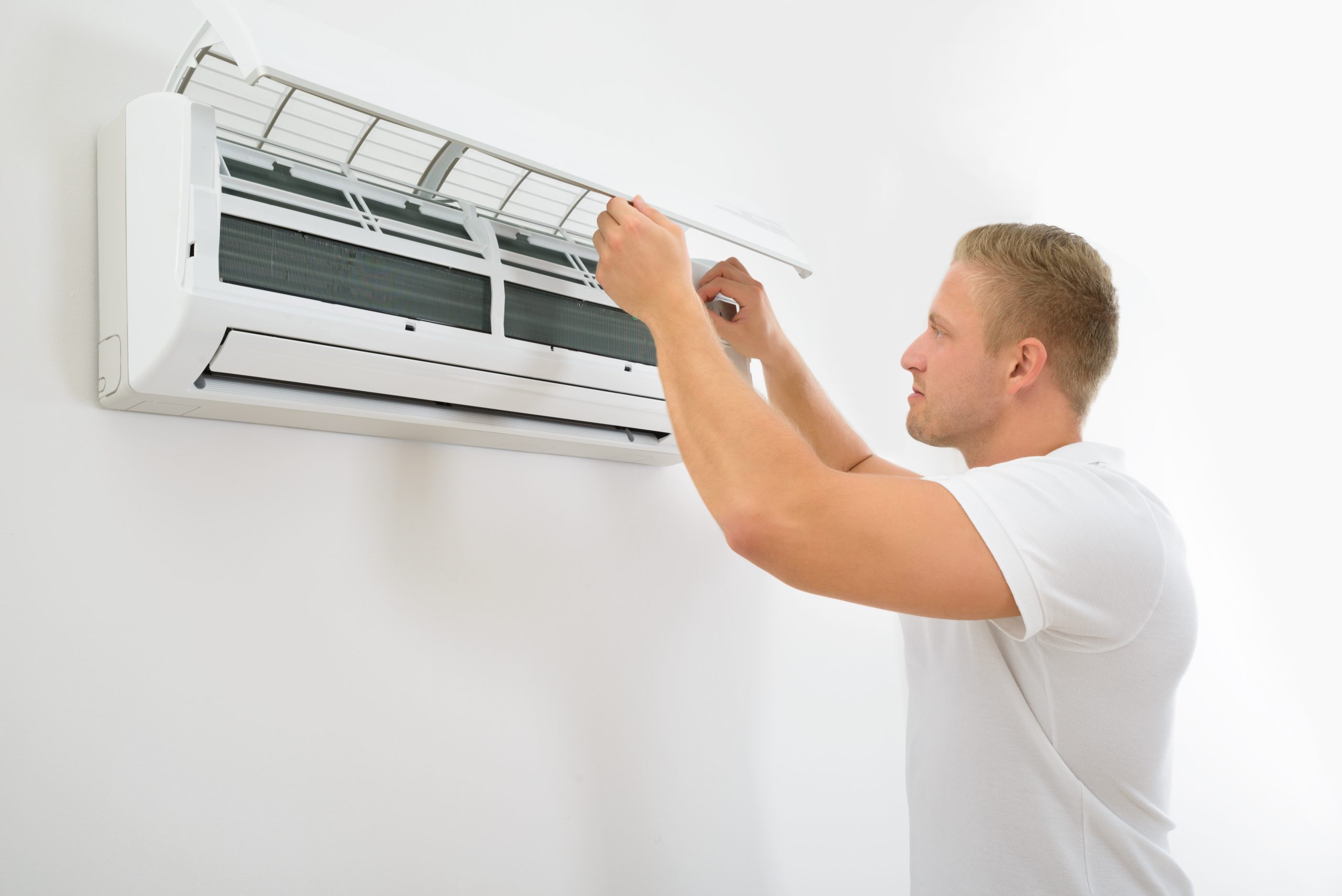
Replacing an air conditioner is an opportunity to improve comfort, control energy use, and prepare for Hamilton’s humid summer weather. The right choice depends on more than the unit’s price or advertised efficiency; it also needs to suit the home and be installed correctly. Homeowners researching AC replacement in Hamilton, OH, can start by comparing equipment performance, system size, and the condition of existing ductwork.
An efficient air conditioner should keep rooms consistently comfortable without running longer or harder than necessary. A carefully selected system can help limit electricity use, manage indoor humidity, and reduce wear from excessive cycling. These benefits come from matching the equipment to the home—not simply choosing the model with the highest rating.
Start With the Home, Not the Equipment
Before comparing models, consider the home’s cooling needs. Square footage is useful, but it is not enough to determine the proper system size. Insulation, window location, air leaks, ceiling height, household occupancy, and sun exposure all affect how much cooling a house requires. A professional load calculation can account for these factors and guide equipment selection.
Oversized systems may cool the air quickly but shut off before they have adequately removed humidity. That can leave rooms feeling clammy and cause frequent on-and-off cycles. An undersized unit may run for long periods on hot days while struggling to reach the thermostat setting. Both situations can undermine comfort and efficiency.
Ductwork deserves attention, too. Leaks, poor insulation, or restricted airflow can waste cooled air and make some rooms harder to condition. If an older system had persistent hot spots or weak airflow, those issues should be investigated before a replacement is selected. A new unit cannot reliably compensate for ducts or airflow that are not working as intended.
Compare Efficiency and Operating Features
Efficiency ratings offer a useful way to compare air conditioners. The SEER2 rating reflects seasonal cooling efficiency under standardized test conditions; generally, a higher rating indicates greater efficiency. However, a rating alone cannot predict the exact utility savings a household will see. Local weather, thermostat habits, system sizing, installation quality, and electricity rates all influence real-world performance.
When reviewing an estimate, ask for the full system specifications rather than relying on a broad efficiency claim. Check the proposed equipment’s capacity, efficiency rating, and compatibility with the home’s existing components. It is also useful to ask how the suggested system is expected to perform during humid stretches and peak summer temperatures.
Some systems offer variable-speed or staged operation. Instead of always running at full output, these designs can adjust their cooling level to match changing conditions. Longer, steadier operation may support more even temperatures and better humidity control, though the best fit depends on the home, budget, and compatible equipment. A high-efficiency air conditioner is most valuable when its features address the household’s actual comfort needs.
For homeowners comparing AC Replacement Hamilton OH options, it helps to look beyond the purchase price. Consider expected operating costs, warranty terms, maintenance needs, and the details of installation. A lower-cost unit may not be the best value if it is poorly matched to the home or if its installation leaves airflow problems unresolved.
Ask the Right Questions Before Installation
A clear proposal should explain what is being replaced, what equipment is recommended, and why its size and efficiency are appropriate. Before approving the work, homeowners can ask:
- Was a load calculation used to determine the system’s capacity?
- Will the existing ducts be inspected for leaks, insulation problems, or airflow restrictions?
- Which components are included, and are they compatible with the new equipment?
- What work is included in the installation, such as removing the old unit and checking system operation?
- What maintenance does the manufacturer recommend, and what warranty coverage applies?
Installation quality matters as much as the equipment itself. Proper refrigerant charging, electrical connections, condensate drainage, airflow, and thermostat setup all affect performance. The system should be tested after installation to confirm that it operates as intended. Homeowners should also receive guidance on replacing or cleaning filters and keeping outdoor equipment clear of leaves and debris.
Balance Upfront Cost With Long-Term Value
A practical budget considers both the initial expense and the cost of operating the system over time. Higher-efficiency equipment may cost more upfront, so compare the estimated savings with the price difference and the expected years of use. Any available incentives can change the calculation, but eligibility and requirements should be verified before they are included in a budget.
Comfort, noise, service access, and warranty coverage also matter. A system that meets efficiency goals while fitting the home’s layout and the household’s priorities is often a better choice than one selected by rating alone.
Make a Confident Replacement Decision
Choosing an efficient air conditioner begins with understanding the home’s cooling load, duct condition, and comfort challenges. From there, compare system ratings and features, review the full installation plan, and weigh upfront cost against expected operating expenses. A properly sized, well-installed unit can deliver dependable cooling and humidity control through Hamilton’s summer season. Careful research into AC replacement in Hamilton, OH, helps homeowners focus on lasting performance—not just the equipment label.