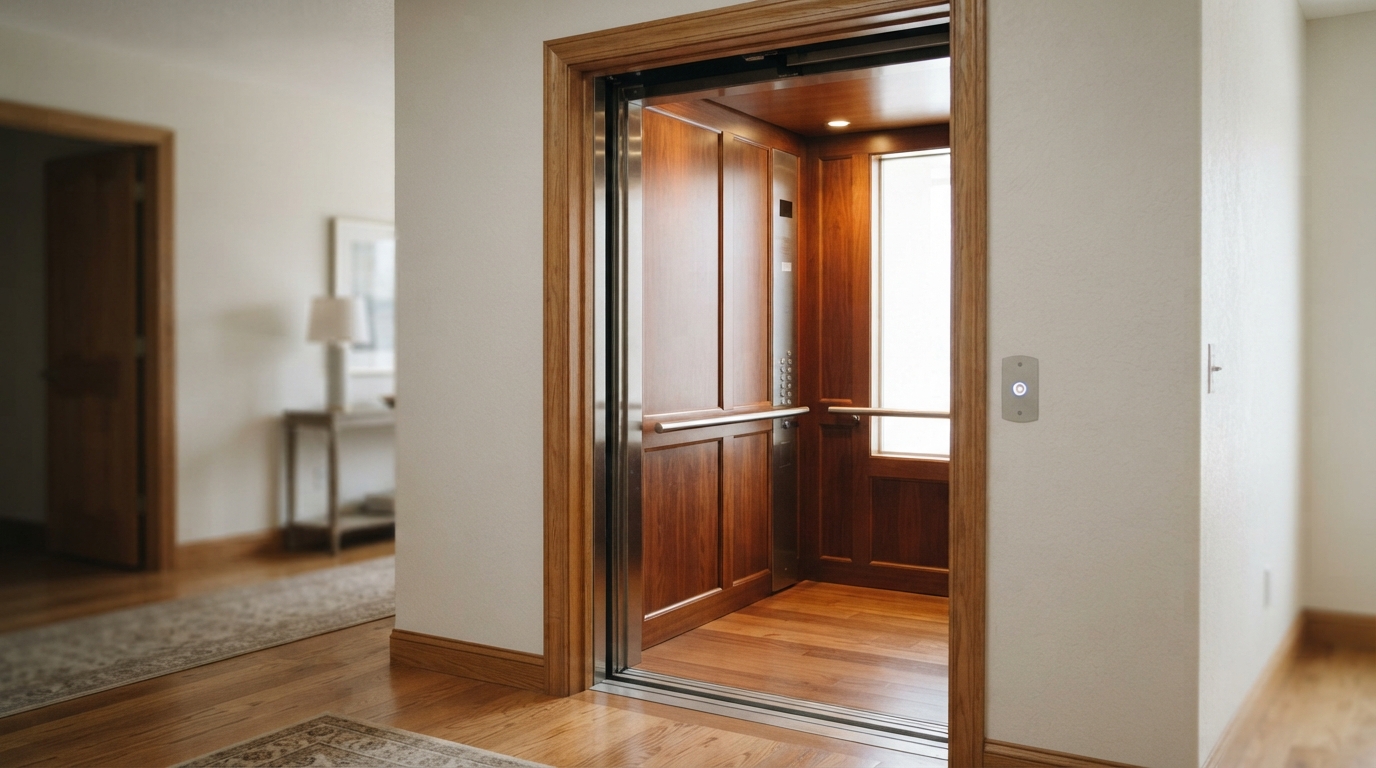
Essentially:
• Residential elevator maintenance typically includes scheduled inspections, lubrication of moving parts, and safety device testing to keep a home lift code-compliant and reliable.
• Repair timelines and costs depend on the elevator type (hydraulic, pneumatic, or cable-driven) and how quickly worn parts can be sourced.
• Homeowners in Rochester Hills, MI can expect maintenance visits to check door operation, cab leveling, and emergency communication features.
A home lift that stops leveling correctly, makes grinding noises, or has a door that sticks is signaling a need for service rather than replacement in most cases. Understanding what a maintenance visit actually involves helps homeowners judge whether a technician’s recommendations are reasonable and whether a residential eevator solutions in Rochester Hills Michigan system is being cared for on schedule.
Why Scheduled Maintenance Matters More Than Reactive Repairs
Elevator systems rely on several mechanical and electrical components working in sync, and small issues left unchecked tend to compound.
• Door operators and safety edges need periodic adjustment since misalignment is one of the most common causes of service calls.
• Guide rails, rollers, and sheaves require lubrication to prevent premature wear on moving parts.
• Safety devices , including car and counterweight safeties, must be tested on a defined schedule rather than only when something fails.
Industry guidance on elevator upkeep notes that a documented maintenance program should specify the examination, lubrication, and inspection tasks required to keep equipment in safe operating condition, a standard reinforced by the ASME A17.1 safety code that governs elevator design, installation, and maintenance across the United States. Homes with cable-driven or hydraulic elevators in particular benefit from catching wear early, since hydraulic systems depend on fluid levels and seals that degrade gradually.
What Inspections Typically Cover
A routine residential elevator inspection generally walks through a short but consistent list of checkpoints:
1. Cab leveling accuracy at each floor landing.
2. Door open and close timing, along with sensor response.
3. Emergency communication and lighting functions inside the cab.
4. Pit and machine room conditions, including signs of moisture or debris.
5. Overall noise and vibration during a full travel cycle.
Most states require inspections following a new installation, and many also mandate periodic checks on an annual, biennial, or five-year basis depending on local code, according to a 2026 overview of residential elevator inspection rules. Michigan homeowners should confirm which inspection interval applies to their specific elevator type and whether a licensed inspector or the installing contractor is responsible for scheduling it.
Repair Expectations and Typical Turnaround
Repairs fall into a few predictable categories, and the time needed depends heavily on the part involved.
| Issue Type | Common Cause | Typical Response |
| Door won’t close fully | Sensor misalignment or worn track | Same-visit adjustment in most cases |
| Cab stops unevenly | Hydraulic fluid loss or cable stretch | Diagnostic visit, parts may be ordered |
| Unusual noise during travel | Worn roller guides or sheave wear | Lubrication or component replacement |
| Emergency phone not working | Wiring fault or dead battery backup | Quick fix, often resolved same day |
Homeowners should expect a technician to explain which category a problem falls into before quoting repair timing, since parts availability for older or specialty lift models can extend a repair beyond a single visit.
Service Considerations for Rochester Hills Homeowners
Homes in Rochester Hills, MI range from newer construction with modern cable-driven lifts to older properties with hydraulic systems installed decades ago, and the right maintenance approach differs by equipment age and type. A technician familiar with both residential and light commercial elevator systems in the area is better positioned to recognize which safety code version applies and how local permitting affects repair work. A4 Access, based in Rochester Hills, works with residential elevator systems in the region and can be reached through its listed business profile for scheduling questions.
Frequently Asked Questions
How often should a residential elevator be serviced? Service frequency depends on the elevator type and local code, but routine maintenance visits are commonly scheduled at least once a year, with additional checks if the unit sees heavy daily use.
What is the biggest warning sign that a home elevator needs repair? Uneven floor leveling, unusual grinding noises, or a door that no longer closes fully are the most common signals that a service call is needed rather than a wait-and-see approach.
Does a hydraulic elevator need different maintenance than a cable-driven one? Yes. Hydraulic systems depend on fluid levels and seal condition, while cable-driven elevators rely more on rope tension and sheave wear, so maintenance checklists differ between the two.
Are residential elevator inspections legally required in Michigan? Inspection requirements vary by state and elevator type, and homeowners should confirm current local code requirements rather than assume a fixed national standard applies.
Residential elevator upkeep is a matter of routine mechanical care rather than guesswork, and homeowners who understand what each maintenance visit covers are better equipped to ask informed questions. Those researching options in Rochester Hills, MI can review service details directly through A4 Access‘s business listing before scheduling an inspection or repair visit.