In short:
- Structured firearms training builds safe handling habits, legal knowledge, and confidence for new and experienced gun owners alike.
- Montana does not require a permit to purchase firearms, but training remains the most reliable way to reduce accidents and build competency.
- Local ranges offer supervised instruction, rentals, and practice space suited to beginners and seasoned shooters.
Responsible gun ownership starts with knowing how to safely store, handle, and operate a firearm before ever relying on it for protection or sport. For residents seeking structured instruction, enrolling in Firearms Training in Helena MT offers a direct path to building those skills under qualified supervision.
Montana’s firearm laws are comparatively permissive, which places added weight on individual preparation. The state does not mandate a license to purchase or carry openly, so the responsibility for safe handling falls largely on the owner. This makes hands-on instruction, rather than law alone, the practical foundation of responsible ownership.
Why Structured Training Matters for New and Experienced Owners
Firearm safety is a skill that degrades without practice and reinforcement. Even experienced shooters benefit from periodic instruction that reviews fundamentals like muzzle discipline, trigger control, and safe storage.
According to the CDC’s firearm injury prevention guidance, reducing unintentional injuries involves a combination of safe storage practices, education, and consistent safety habits among gun owners. Training environments give owners a controlled setting to practice these habits before applying them at home or in the field.
Key benefits of formal instruction include:
- Developing muscle memory for safe loading, unloading, and handling procedures
- Learning situational awareness in a controlled, supervised setting
- Understanding state-specific laws around storage, transport, and use
- Building confidence that reduces panic-driven mistakes under stress
What Firearms Training Typically Covers
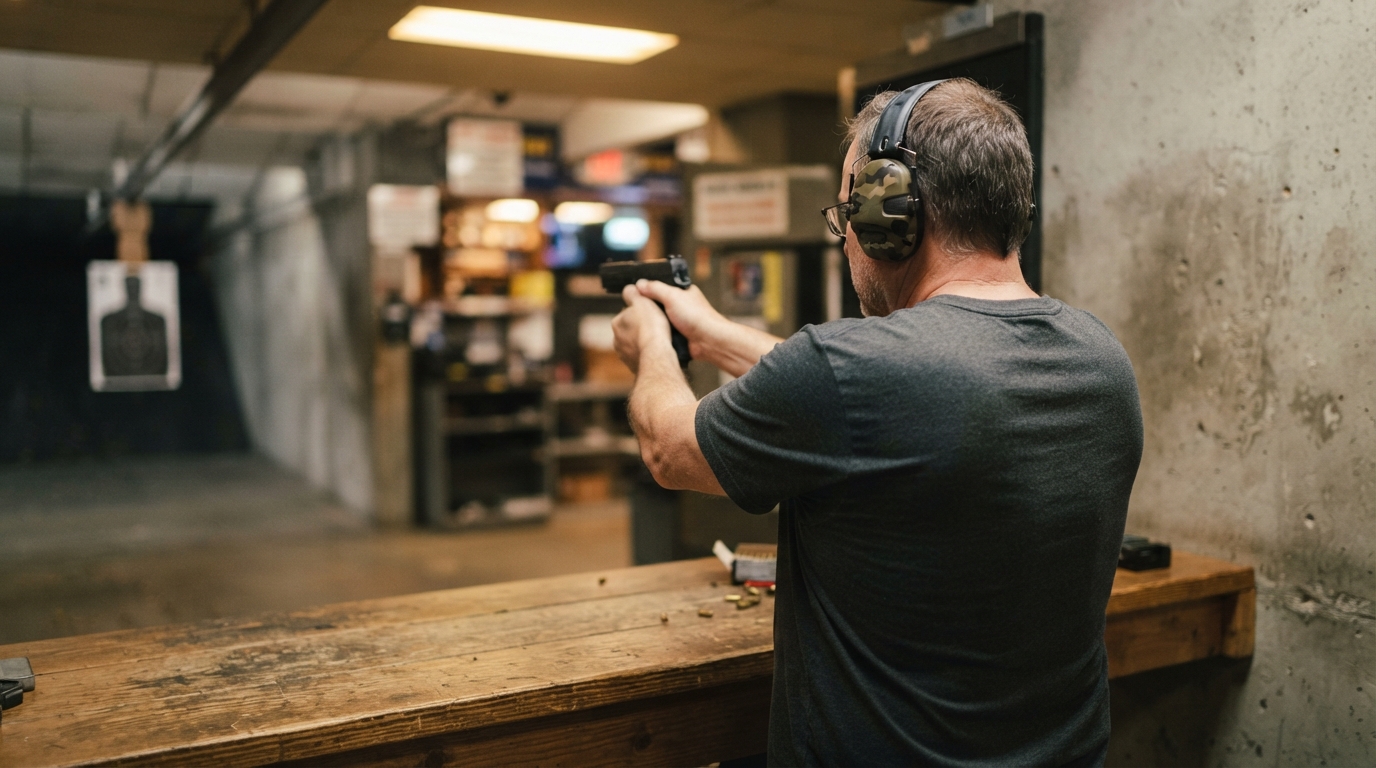
Most structured programs move through a progression rather than a single lesson. Facilities offering range access and instruction typically structure sessions around skill level and purpose, whether that is personal defense, hunting preparation, or recreational shooting.
A typical training path may include:
- Firearm fundamentals, including safe handling, loading, and storage
- Supervised live-fire practice on a controlled range
- Marksmanship fundamentals such as stance, grip, and sight alignment
- Scenario-based practice for self-defense or hunting contexts
Range facilities that provide rental firearms and supervised lanes allow newer shooters to try different options before committing to a personal firearm purchase. This lowers the barrier to entry for people who want hands-on experience without owning equipment first.
Choosing a Training Path That Fits Your Goals
Not every shooter needs the same level of instruction. Matching the training format to experience level and intended use helps owners avoid wasted time or mismatched skill-building.
| Training Focus | Best Suited For | Typical Setting |
| Basic safety and handling | First-time owners | Indoor range, supervised |
| Marksmanship practice | Recreational shooters | Range lanes, rental options available |
| Scenario-based skill building | Self-defense focused owners | Supervised range sessions |
| Ongoing practice | Experienced owners maintaining proficiency | Open range access |
Range 406 provides supervised range access and rental firearms, giving Helena-area residents a practical environment to build or maintain these skills. Choosing a facility with clear safety protocols and knowledgeable staff supports steadier skill development than inconsistent, unsupervised practice.
Building Long-Term Safety Habits
Training is not a one-time event. Consistent practice, periodic refreshers, and ongoing exposure to proper technique are what separate occasional shooters from genuinely prepared gun owners.
Owners should consider:
- Scheduling periodic range time to maintain proficiency
- Reviewing safe storage practices as household circumstances change
- Staying informed on any updates to state firearm regulations
- Practicing with the same firearm intended for home defense or carry
Because Montana places significant trust in individual responsibility, this ongoing commitment to practice is what actually keeps communities safer, not just the absence of legal barriers to ownership.
Frequently Asked Questions
Does Montana require a permit to purchase a firearm? Montana does not require a state purchase permit, which places greater emphasis on voluntary training and safe handling education.
Is firearms training only for beginners? No. Even experienced owners benefit from refresher sessions that reinforce safe handling and address skill decay over time.
Can I rent a firearm before buying one? Many range facilities, including those offering supervised lanes, provide rental options so shooters can test different firearms before purchasing.
How often should I practice to stay proficient? There is no fixed rule, but regular, periodic range time helps maintain muscle memory and confidence with your firearm.
Responsible gun ownership depends less on legal minimums and more on consistent, informed practice. For those ready to build or sharpen these skills in a supervised setting, Range 406 offers local range access and training support suited to shooters at every stage.