Recap:
• A backyard tennis court installation typically costs between $25,000 and $115,000 depending on surface type, size, and site conditions, with hard courts and clay running lower than concrete.
• Regulation doubles courts measure 78 by 36 feet, but a half-court or compact layout can lower material and labor costs significantly.
• Local site prep, drainage, and Colorado’s freeze-thaw climate all factor into the final backyard tennis court budget.
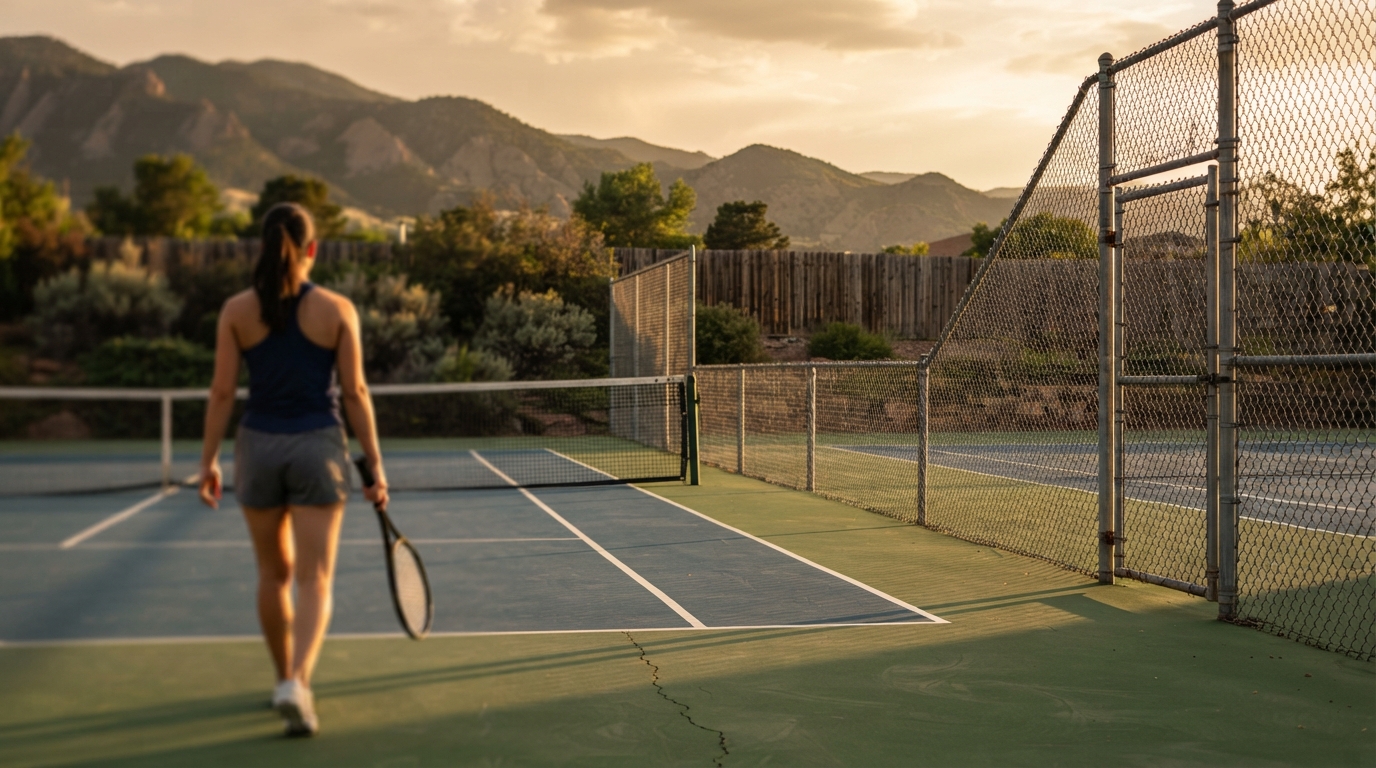
Homeowners researching a Backyard Tennis Court in Centennial, CO project typically want a realistic cost range before committing to design plans. Most backyard installations fall between $25,000 and $115,000, with the final number shaped by surface material, court size, and how much site preparation the yard requires.
Planning a court in the Denver metro area means accounting for more than just surface material. A backyard tennis court project has to work with the region’s clay-heavy soils, seasonal freeze-thaw cycles, and HOA guidelines that vary by neighborhood. Getting these details right early helps avoid costly change orders once construction begins.
What Drives Backyard Tennis Court Costs
Surface type is the single biggest cost factor in any home court project. According to cost data compiled by HomeGuide, backyard tennis court installation costs start at $25,000 for a clay surface and go up to $115,000 for concrete. A broader national breakdown shows the range by surface:
| Surface Type | Typical Cost Range | Maintenance Level |
| Clay | $25,000 – $90,000 | Annual re-compaction and leveling |
| Artificial turf | $35,000 – $95,000 | Cleaning every 2-3 months |
| Asphalt | $40,000 – $100,000 | Resurfacing every 5 years |
| Concrete | $60,000 – $115,000 | Resurfacing every 5 years |
Source data via building cost per tennis court type comparisons from HomeGuide’s 2026 cost guide.
Beyond surface material, several site-specific line items affect the total bid:
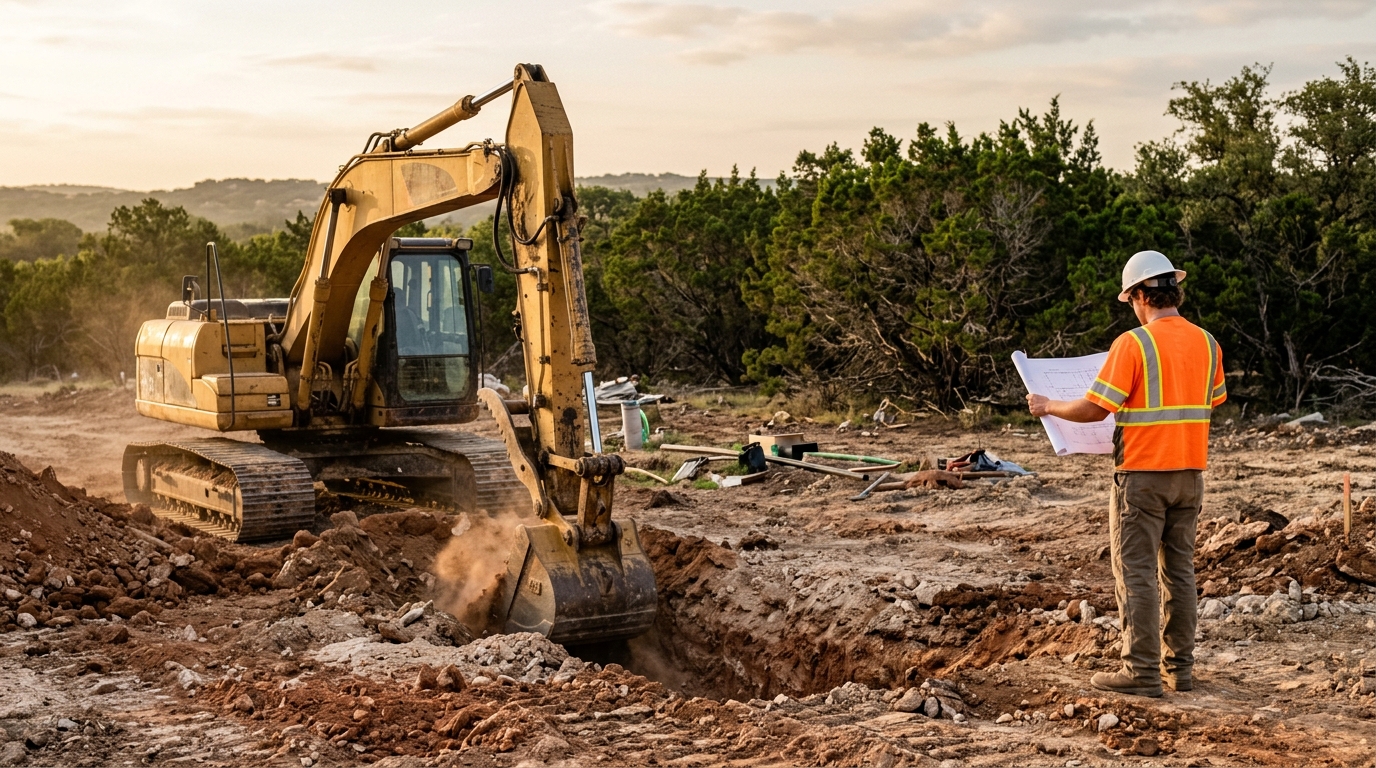
• Site preparation and grading : Uneven lots or clay-heavy soil can add thousands to leveling and drainage work.
• Fencing : Full-court enclosures typically add a meaningful chunk to the overall budget.
• Lighting : Night-play fixtures range from a few thousand dollars up, depending on fixture count and quality.
• Net systems and posts : Entry-level setups are inexpensive, while premium adjustable systems cost more but last longer.
Court Size and Dimension Standards
Dimensions matter just as much as surface choice when estimating cost, since a full regulation court requires significantly more material than a compact layout. Per official tennis governing body standards, courts that support singles and doubles should measure 78 feet in length and 36 feet in width, or 2,808 square feet, with these measurements excluding back and side run-off space. The commonly recommended overall footprint, including run-back space, is larger still: playing lines are 36 by 78 feet for doubles, with an overall playing area of 60 by 120 feet recommended as standard.
Homeowners with smaller lots often opt for a half-court or modified layout instead. Reducing the footprint not only lowers surfacing costs but also simplifies drainage planning, which matters in areas with variable rainfall and runoff patterns. For technical guidance on dimensions, slope, and drainage requirements, the American Sports Builders Association publishes construction guidelines referenced across the industry.
Site Conditions Unique to the Area
Colorado’s climate introduces planning considerations that differ from flatter, milder regions. Freeze-thaw cycles put added stress on rigid surfaces like concrete and asphalt, which is why proper base compaction and slope grading carry extra weight in local project bids. Soil composition across the metro area can also vary from lot to lot, meaning a site evaluation early in the process helps determine whether additional excavation or drainage work will be needed before surfacing begins.
Homeowners should also check local permitting and HOA requirements before finalizing a design, since setback rules and fencing restrictions differ by municipality. Addressing these details during the planning phase, rather than after a contract is signed, tends to keep projects on budget and on schedule.
Frequently Asked Questions
How much does a backyard tennis court cost in the area? Costs generally range from $25,000 to $115,000 depending on surface type, court size, and site prep needs, consistent with national cost data for residential installations.
What is the cheapest tennis court surface? Clay tends to have the lowest starting cost, though it requires more frequent maintenance than hard surfaces like asphalt or concrete.
Do I need a full regulation-size court? No. Many homeowners choose a half-court or compact layout to reduce both material costs and the amount of yard space required.
Does Colorado weather affect court material choice? Yes. Freeze-thaw cycles and soil variability make base preparation and surface selection especially important for long-term durability in this climate.
Planning Your Next Step
Colorado Dream Courts designs and builds custom outdoor courts, including tennis, pickleball, and basketball surfaces, along with repair and resurfacing services for homes in Centennial, CO, Denver, CO and surrounding areas. Homeowners weighing surface options, court size, or site conditions can benefit from a direct conversation with a local builder familiar with the region’s soil and climate factors. For more detail on available court styles and project examples, View Site to review current offerings or discuss a site evaluation and get a clearer sense of what a project might involve for a specific property.