Key takeaway:
- Aggregate supply provides the crushed stone, sand, and gravel that form the structural base for roads, foundations, and site development projects.
- Reliable local sourcing reduces delivery delays and transportation costs on construction timelines.
- Material quality and consistent grading directly affect the durability of pavements and building foundations.
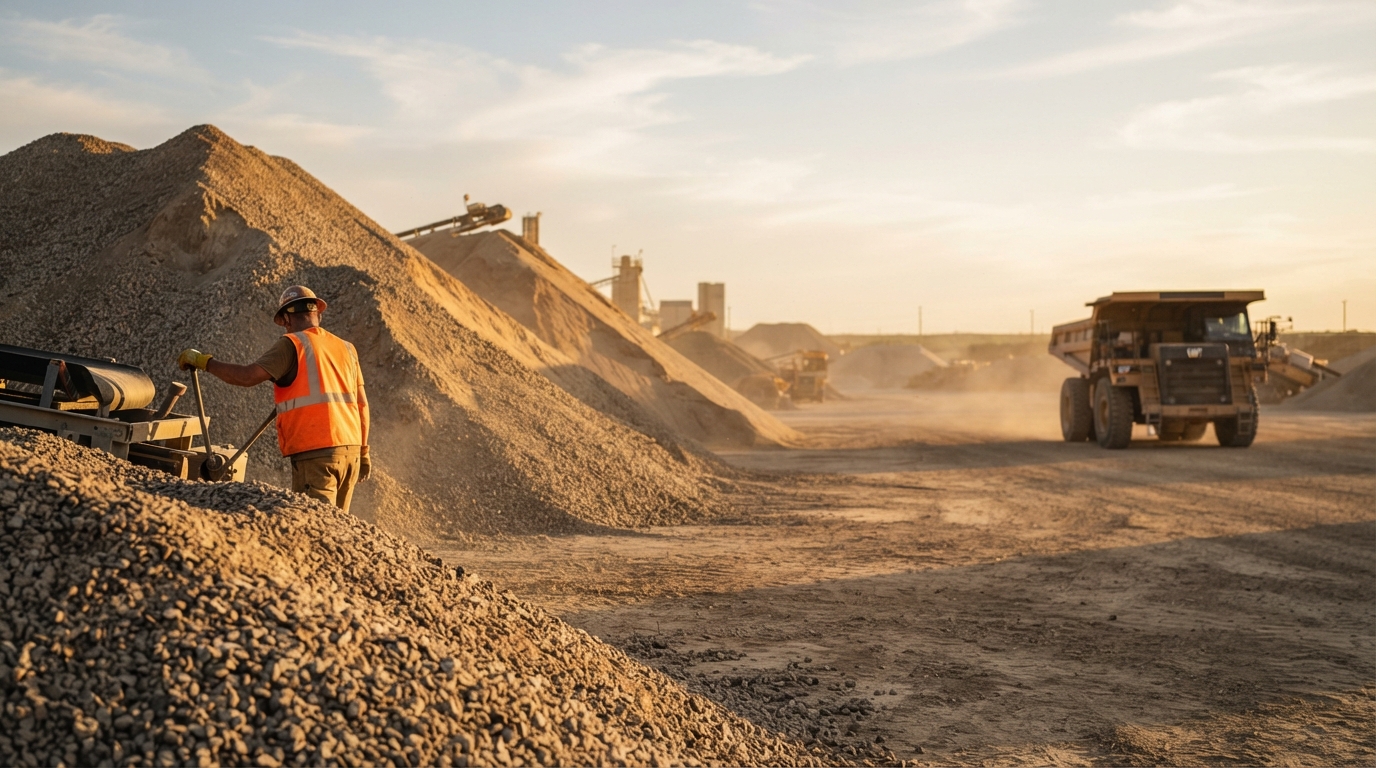
Aggregate supply refers to the sourcing and delivery of crushed stone, sand, gravel, and similar granular materials used as the structural base for roads, building foundations, and drainage systems. In a region where construction activity depends heavily on timing and ground conditions, consistent access to these materials shapes how quickly projects move from permitting to completion.
Aggregate Supply in Fort McMurray plays a foundational role in this process because nearly every construction phase, from site prep to final paving, relies on graded material delivered on schedule. Contractors and developers in the region depend on local suppliers who understand the area’s soil conditions and seasonal constraints rather than sourcing from distant plants that add freight time and cost.
Why Local Aggregate Sourcing Matters for Project Timelines
Construction schedules in northern Alberta are shaped by a short building season and variable weather windows. Sourcing aggregate close to the job site reduces the lag between ordering and delivery, which matters most during spring and summer when multiple projects compete for trucking capacity.
Local sourcing also allows for better quality control, since suppliers can match material specifications to the specific soil and drainage conditions found on site. This is particularly relevant for:
- Road base and subgrade preparation
- Foundation footings and backfill
- Drainage and erosion control layers
- Parking lot and driveway substrates
Each of these applications requires a different gradation or mix, and a supplier working from a regional pit can adjust more quickly than one shipping from outside the area.
Core Materials and Their Construction Uses
Aggregate is not a single product. The term covers a range of crushed and screened materials, each suited to a different structural purpose.
| Material Type | Common Use | Why It Matters |
| Crushed gravel | Road base, driveways | Provides load-bearing stability under traffic |
| Sand | Concrete mixing, bedding layers | Fills voids and supports even compaction |
| Rip rap / larger stone | Erosion control, slope stabilization | Resists water movement and soil displacement |
| Pit run material | Rough grading, fill | Cost-effective bulk fill for large sites |
Selecting the right material for each layer of a project reduces the risk of settling, cracking, or drainage failure later. According to Natural Resources Canada, aggregates are among the most heavily used natural resources in construction, underscoring why sourcing and grading accuracy carry long-term structural consequences.
How Aggregate Availability Affects Broader Development
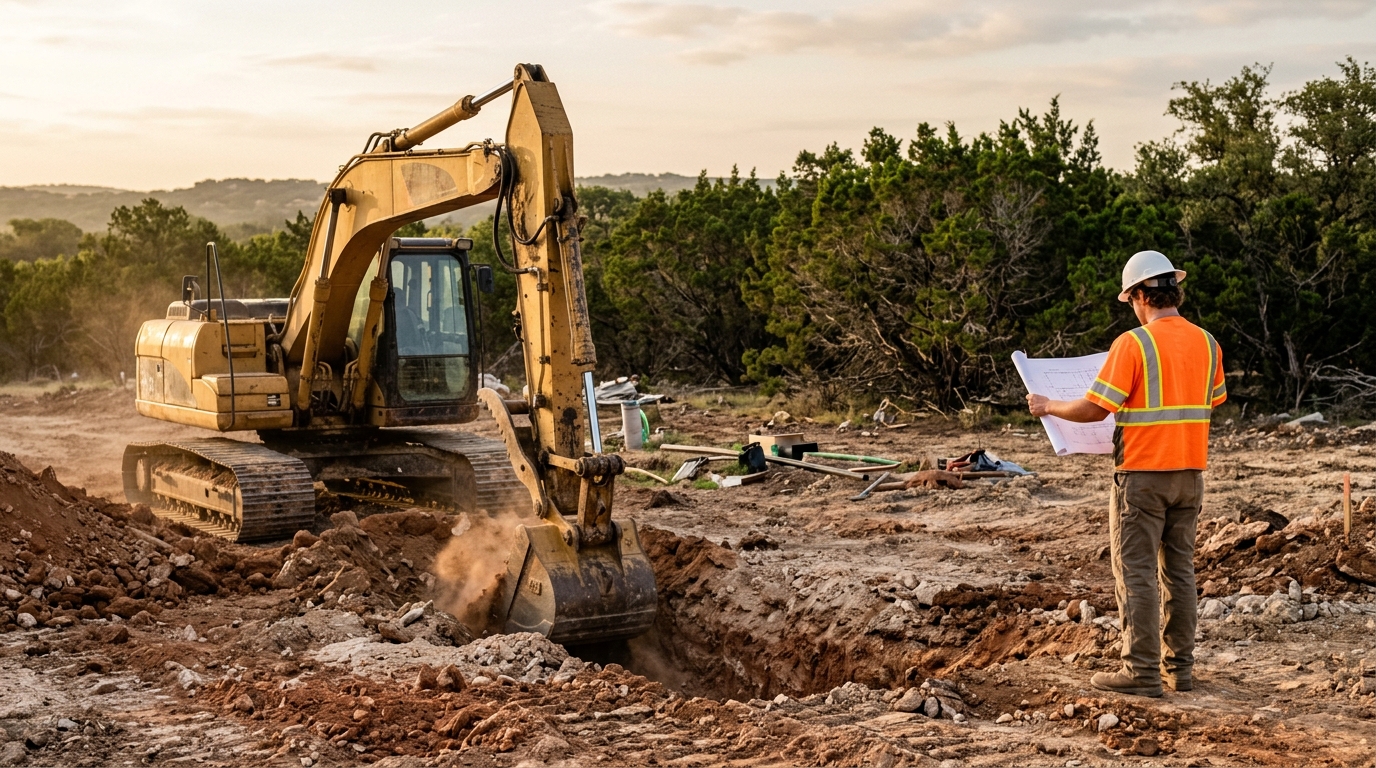
When aggregate supply is reliable, contractors can plan excavation, grading, and paving phases with fewer disruptions. Delays in material delivery tend to cascade through a project, pushing back concrete pours, pavement installation, and final inspections.
Supply reliability becomes especially important in areas experiencing active commercial or residential development, where multiple job sites may draw from the same regional pits at once. Suppliers who maintain their own pit operations and hauling fleets are generally better positioned to meet simultaneous demand without the delays associated with third-party brokering.
Choosing a Supplier Based on Verified Capability
Not every aggregate source offers the same level of consistency. When evaluating a supplier, it helps to look for:
- Direct pit ownership rather than resale arrangements
- Documented material testing or grading standards
- A hauling fleet capable of meeting site-specific delivery windows
- Experience working within the local terrain and climate
These factors influence whether a project stays on schedule once ground is broken. Stony Valley Contracting is one example of a local operation involved in aggregate supply work in the region, offering a reference point for the kind of pit-to-site capability that supports construction timelines.
Frequently Asked Questions
What is aggregate supply in construction? Aggregate supply is the sourcing and delivery of crushed stone, sand, and gravel used as structural base material for roads, foundations, and site grading.
Why does local sourcing matter for aggregate materials? Local sourcing shortens delivery times, reduces transportation costs, and allows suppliers to match material specifications to regional soil and climate conditions.
What types of aggregate are used most often in site development? Crushed gravel, sand, pit run material, and larger rip rap stone are common, each serving a different structural or drainage purpose.
How does aggregate quality affect long-term construction durability? Properly graded and sourced aggregate reduces the risk of settling, cracking, and drainage failure in roads and foundations over time.
Construction projects depend on the materials beneath them as much as the structures built above ground. For site work, grading, or material sourcing needs, Stony Valley Contracting offers a point of contact for understanding local aggregate options and how they fit into a project’s broader timeline.