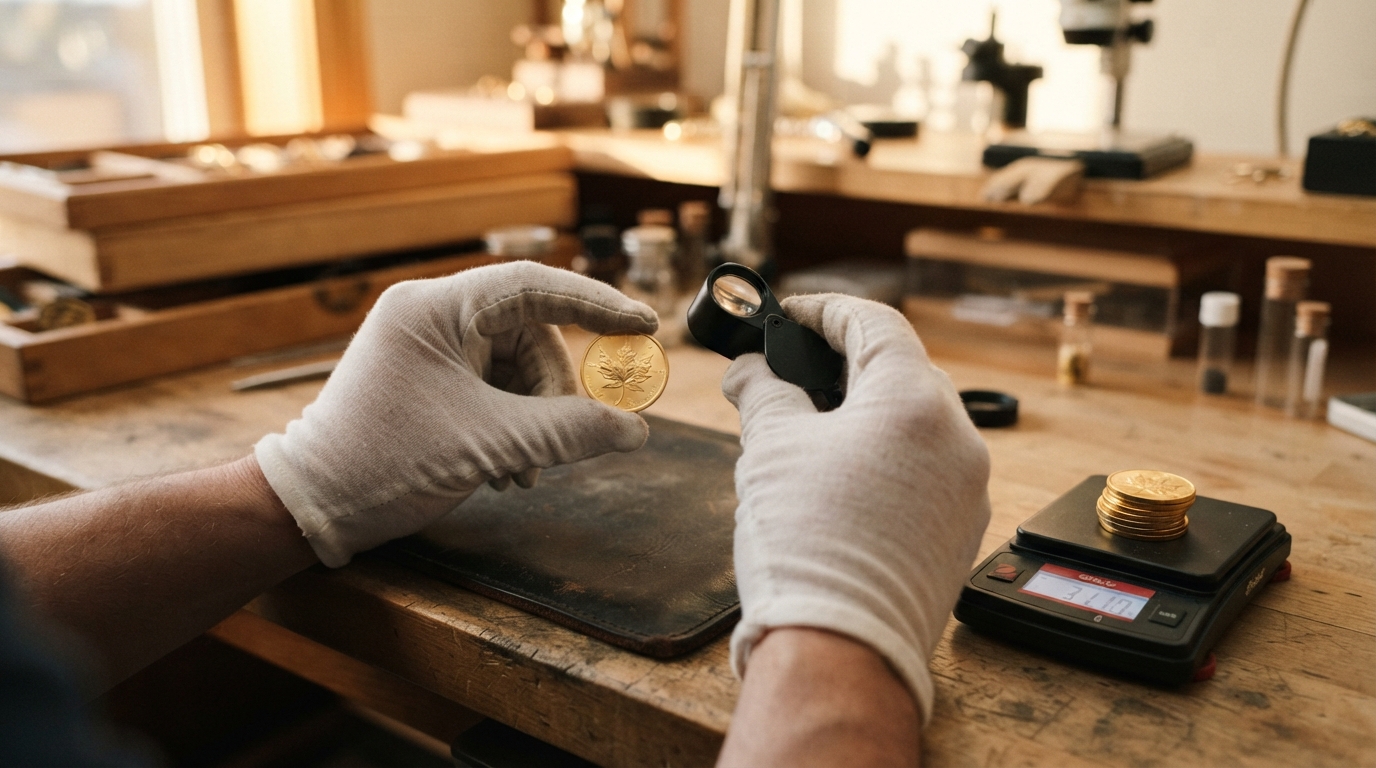
Recap:
- Selling collectible gold coins starts with a professional evaluation of purity, weight, and rarity, not just melt value.
- A licensed buyer with jewelry and bullion experience can assess coins accurately and pay on the spot.
- Confirming authenticity before you sell protects you from undervaluing rare or certified pieces.
Selling a gold coin collection involves more than walking into the nearest shop and asking for a quote. The fastest route to a fair price is working with an established, knowledgeable buyer who evaluates purity, condition, and collector demand before naming a figure.
Anyone searching for a reliable Gold Coin Buyer in Burlington, ON is usually trying to solve one of three problems: confirming whether a coin is genuine, finding out what it is actually worth, or simply converting a collection into cash without getting lowballed. Those three concerns shape almost every decision in the selling process, from where you go to how you prepare your coins beforehand.
Got Gold Get Cash operates as a gold and silver trader serving the St. Catharines, Waterdown, and wider Hamilton/Niagara region, and the business has built its process around exactly those concerns. According to the company’s own listings, it handles gold bullion, gold coins, and mixed collections alongside jewelry, evaluating each item individually rather than applying a blanket rate.
What Determines a Collectible Coin’s Value
Collectible gold coins are priced differently than scrap gold or plain bullion rounds. Several factors combine to set the final number a buyer offers.
- Metal content and weight. The base value always starts with the karat or fineness of the gold and the coin’s measured weight.
- Rarity and mint year. Limited mintages, discontinued series, or historically significant strikes can push value above melt price.
- Condition and grading. Scratches, cleaning damage, or wear reduce numismatic value even if the metal content stays the same.
- Certification status. Coins graded by a recognized third-party service often command a premium because buyers can verify authenticity instantly.
Security features built into modern bullion also matter during evaluation. The Royal Canadian Mint’s Bullion DNA program uses a micro-engraved security mark and a registered database to confirm that Gold and Silver Maple Leaf coins are genuine, a detail that can directly affect buyer confidence and offer speed.
How the Coin Selling Process Typically Works
A straightforward sale generally follows four steps, regardless of which buyer you choose.
- Bring the coins in for a visual and weight assessment. Most buyers start with a scale and visual inspection before anything else.
- Get an authenticity check. This may include weight-to-dimension comparisons or, for certified bullion, confirmation against mint security features.
- Receive a value breakdown. A transparent buyer explains whether the price reflects melt value, collector premium, or both.
- Accept payment. Payment is typically offered in cash, cheque, or bank deposit once both parties agree on the price.
Choosing a Buyer: What to Compare
Not every gold buyer evaluates coins the same way, and the differences can affect your final payout. The table below outlines what to look for when comparing options.
| Factor | Why It Matters | What to Ask |
| Experience with coins vs. scrap gold | Coin specialists catch rarity and grading value that scrap-only buyers miss | “Do you evaluate coins separately from jewelry?” |
| Transparency on pricing method | Melt-only pricing can undervalue collectible pieces | “Will you show how you calculated the offer?” |
| Payment options | Flexibility matters if you need immediate funds | “Is payment cash, cheque, or direct deposit?” |
| Local reputation | Established local buyers have ongoing relationships with the regional market | “How long have you served this area?” |
Preparing Your Coins Before You Sell
A little preparation can make the evaluation faster and help you understand the offer you receive.
- Avoid cleaning or polishing coins, since this can strip patina that collectors value and may be read as damage.
- Separate certified or slabbed coins from loose ones so a buyer can inspect each category appropriately.
- Bring any documentation, certificates, or original packaging that came with the coins.
- Ask for an itemized explanation if you are selling a mixed collection, so you know which pieces carried a collector premium.
Frequently Asked Questions
Does a coin’s age automatically make it worth more? Not necessarily. Age alone does not guarantee value; rarity, mintage numbers, condition, and ongoing collector demand matter more than the date stamped on the coin.
Can I sell damaged or scratched coins? Yes, most buyers will still evaluate damaged coins, though scratches or cleaning marks typically lower the price compared to coins in original condition.
What should I bring to a coin evaluation appointment? Bring the coins themselves, any certification paperwork, and identification, since reputable buyers generally require ID to complete a transaction.
Is there a fee to get my coins appraised? Appraisal policies vary by buyer, so it is worth asking directly before your visit whether an evaluation is free or carries a charge.
Selling a gold coin collection comes down to working with someone who treats coins as more than scrap metal and explains how they arrive at a price. For collectors or families handling an inherited collection in the Burlington and St. Catharines area, Got Gold Get Cash offers an on-the-spot evaluation process covering gold coins, bullion, and mixed collections, with payment available the same day once a price is agreed upon.