Takeaway:
• A standard window replacement typically runs from initial measurement through frame removal, installation, and sealing in a single day per opening.
• Proper window installation affects energy efficiency, moisture control, and the long-term performance of the surrounding wall structure.
• Homeowners in Louisville, KY should plan around seasonal temperature swings that affect sealant curing and scheduling.
Replacing old or damaged windows involves more than swapping glass panes. A professional window installation follows a structured sequence of measurement, removal, fitting, and sealing designed to protect a home’s interior from air and water intrusion.
Understanding each phase helps homeowners set realistic expectations before work begins. Window Installation projects generally follow a predictable timeline, though the exact steps can vary depending on window type, wall construction, and the condition of existing framing.
Pre-Installation Assessment and Preparation
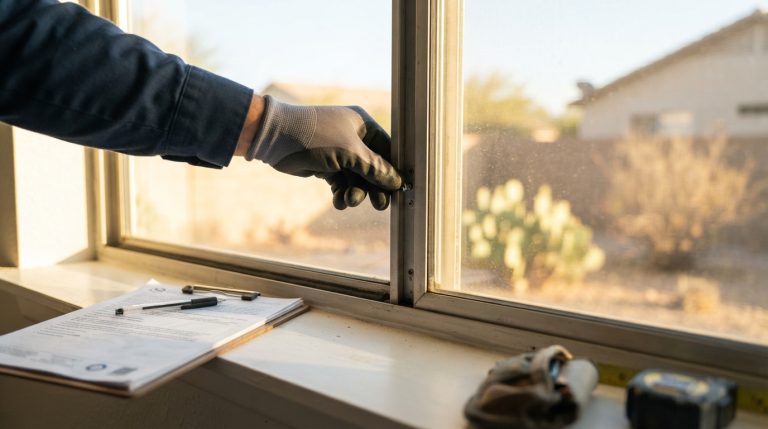
Before any window is removed, a technician measures each opening to confirm the replacement unit will fit the existing rough opening or, in some cases, a modified one. This step also identifies rot, warping, or settling in the surrounding frame that could affect the seal.
• Interior and exterior measurements are cross-checked for accuracy.
• Existing trim, caulking, and weatherstripping are inspected for deterioration.
• Any structural issues are flagged before ordering the replacement unit.
Homeowners in Louisville, KY should expect this assessment to also account for regional humidity and temperature shifts, which can affect how sealants cure and how long certain materials take to set properly.
The Removal and Fitting Process
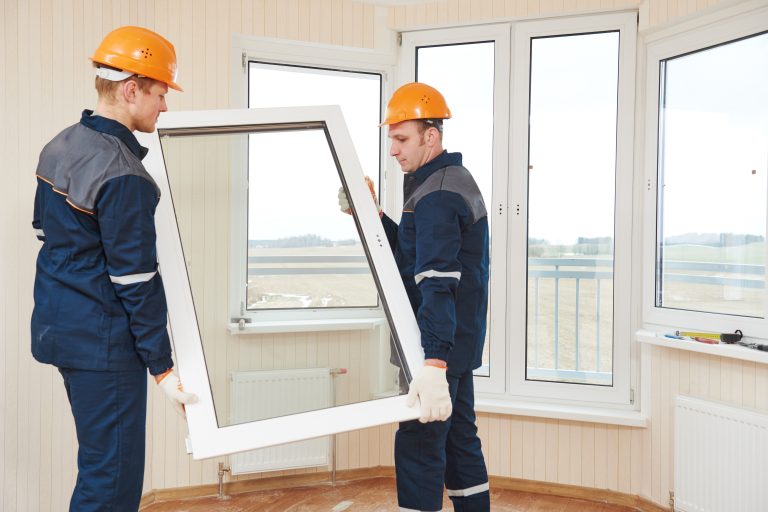
Once the new window arrives, installers remove the old unit carefully to avoid damaging the surrounding drywall, siding, or trim. The opening is then cleaned, checked for square, and prepped with flashing tape or house wrap integration to direct water away from the wall cavity.
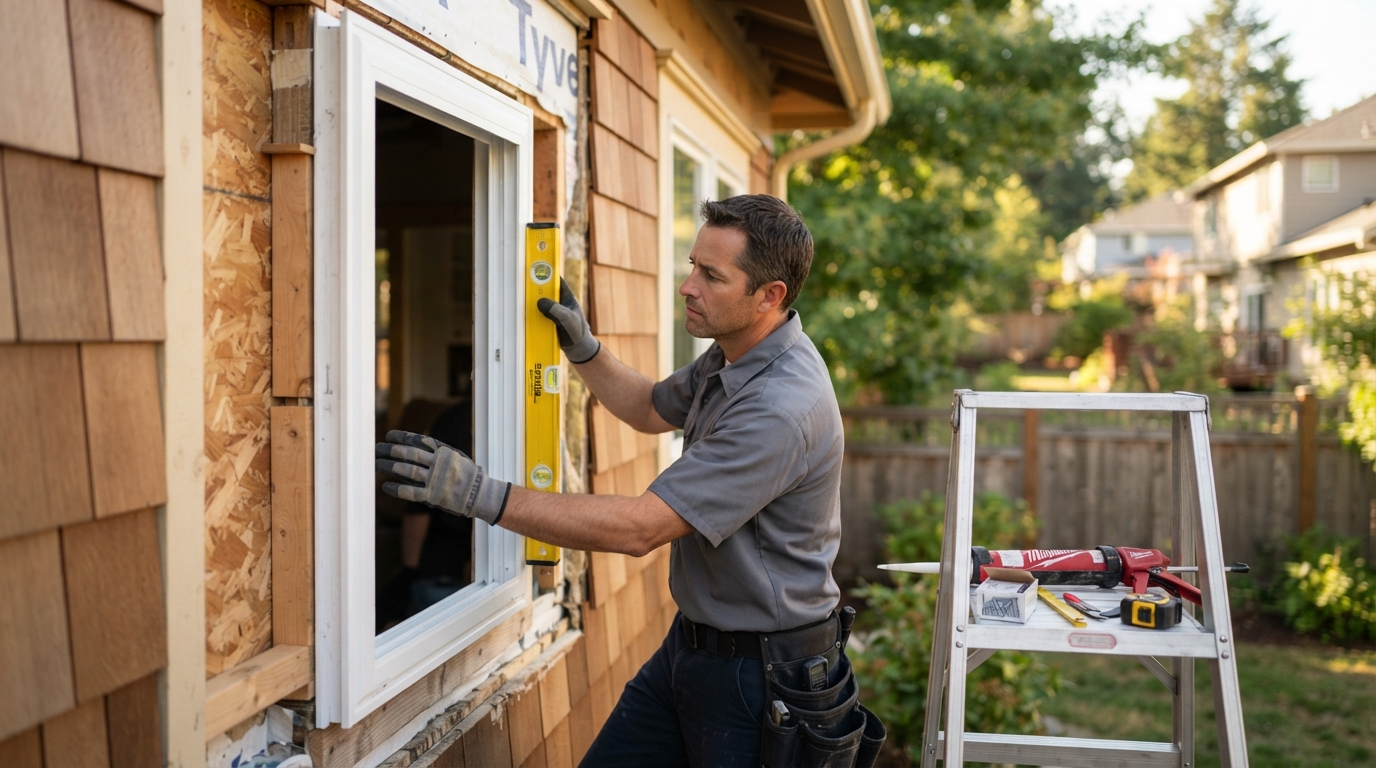
The new window is set into place, leveled, and shimmed until it sits plumb. According to the U.S. Department of Energy, proper installation and air sealing matter as much as the window’s efficiency rating itself, since gaps around the frame can undermine performance regardless of glass quality.
Sealing, Insulation, and Finishing Work
After the window is secured, installers fill the gap between the frame and the rough opening with low-expansion foam or fiberglass insulation. This step prevents drafts without distorting the frame, which can happen if the wrong insulation type is used.
Exterior caulking and interior trim work follow. A comparison of common finishing approaches:
| Finishing Element | Purpose | Typical Material |
| Backer rod and caulk | Seals exterior gaps against water | Silicone or polyurethane sealant |
| Low-expansion foam | Insulates frame cavity | Polyurethane spray foam |
| Interior trim | Covers gaps, restores finish | Wood, composite, or vinyl casing |
| Flashing tape | Directs water away from sheathing | Self-adhesive membrane |
Each layer works together. Skipping any one step can lead to air leaks, condensation, or water damage inside the wall cavity over time.
Timeline, Cleanup, and Final Inspection
Most single-window replacements are completed within a few hours, while multi-window projects may extend across one or more days depending on scope. Crews typically protect flooring and furniture before work begins and remove debris, old windows, and packaging once finished.
A final walkthrough usually includes:
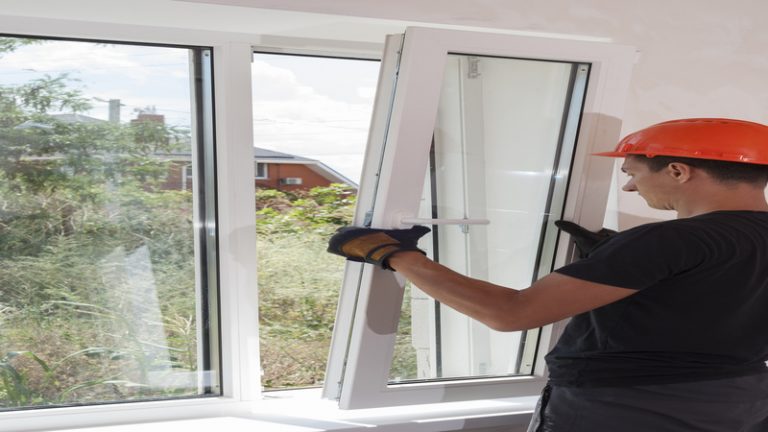
1. Operating each window to confirm smooth opening, closing, and locking.
2. Checking for visible gaps, uneven caulking, or trim issues.
3. Verifying weatherstripping contact and overall seal quality.
For homes in Louisville, KY, scheduling around milder weather windows can help sealants and caulking cure as intended, reducing the chance of callbacks for gap repairs.
Frequently Asked Questions
How long does a typical window installation take? A single window usually takes a few hours, while full-home projects with multiple openings can span several days depending on the number of units and any structural repairs needed.
Will installation damage interior walls or trim? Some minor trim removal is common, especially around older frames, but professional crews aim to preserve existing drywall and siding whenever the opening allows for it.
Does weather affect scheduling or results? Temperature and humidity influence how quickly sealants and foam insulation cure, so installers in Louisville, KY often plan around moderate weather conditions when possible.
What should homeowners do to prepare? Clearing furniture and window treatments from the work area, along with providing clear access to each opening, helps crews work efficiently and reduces the risk of accidental damage.
Local Service Information
Based in USA, Architectural Window & Door serves customers across Louisville, KY.
Current scope and service details for Read more about window installation are available for homeowners planning a replacement project.