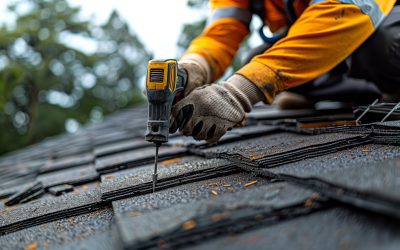
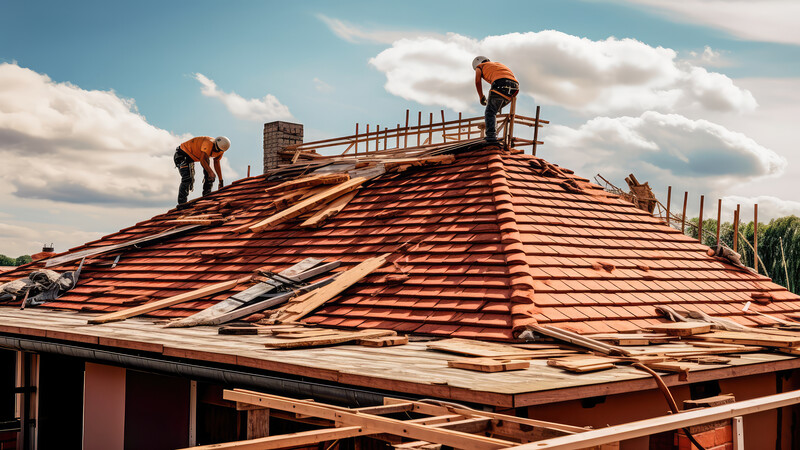
Low-slope residential roof sections are roof areas with a gentle pitch that moves water more slowly than steep roof surfaces. These areas require specific drainage, flashing, and material attention because standing moisture can increase the need for roof repair.
Many Phoenix AZ homes include at least one low-slope roof area. These sections may appear over patios, porches, garages, room additions, carports, or modern home designs. Although they may look simple from the ground, they behave differently from steeper residential roofing systems and should be evaluated with the right expectations.
What Is a Low-Slope Residential Roof Section?
A low-slope roof section is not completely flat. It has a slight pitch that directs water toward a drain, scupper, edge, or other drainage point. The difference is that water moves across it more slowly than on a steep roof.
On homes, low-slope areas often connect to other roof types. A tile or shingle roof may drain onto a patio cover or garage roof. This transition can create added water flow in one area.
Because these sections hold water longer, they rely heavily on correct materials, sealed seams, secure flashing, and clear drainage paths. Residential roofing work on these areas should not be treated the same way as work on steep roof planes.
Why Are Low-Slope Sections More Sensitive to Water?
Water is the main concern because it has more time to find weak points. Even a small gap, worn seam, lifted edge, or cracked sealant can become a leak source when moisture sits nearby.
In Phoenix AZ, long dry periods can hide roof problems. A low-slope section may appear stable for months, then show signs of trouble during a sudden storm. Dust, leaves, and debris can also collect on gentle slopes and slow drainage.
When water remains on the surface too long, it may stress coatings, membranes, flashing, and underlayment. Over time, this can lead to stains, soft decking, or interior moisture.
Where Do Low-Slope Roof Areas Commonly Leak?
Leaks often appear near roof edges, seams, wall transitions, drains, scuppers, skylights, vents, and areas where one roof section meets another. These details matter because they interrupt the main roof surface.
A common example is a patio roof connected to the home. If water from the main roof drains onto the low-slope area, the smaller section may carry more water than expected. If flashing is loose or the slope is limited, moisture may enter near the connection point.
Garage roofs and porch covers may also develop leaks near fascia, parapet-style edges, or low spots where water collects.
How Does Phoenix Weather Affect Low-Slope Roofs?
Phoenix weather creates specific roofing challenges. Sun exposure can dry out some sealants and age roof surfaces. High surface temperatures can increase material movement. Dust can gather in drainage areas and hold moisture after storms.
Seasonal rain can quickly expose weak points. A roof section that drains slowly may allow water to sit near seams, wall edges, or penetrations. Wind can also push rain under loose materials or against vertical transitions.
Because of these conditions, low-slope areas should be inspected with both heat exposure and storm response in mind.
What Materials Are Used on Low-Slope Residential Roof Sections?
Low-slope roof areas may use different materials than the main roof. Depending on the home, the surface may include modified bitumen, rolled roofing, coated systems, or other low-slope products.
The right material depends on slope, drainage, roof size, existing structure, and how the section connects to the rest of the home. Some materials that work well on steeper roofs are not ideal for areas where water drains more slowly.
Homeowners should ask whether the material is suited for the actual roof pitch. A mismatch can shorten roof life and lead to repeated roof repair needs.
What Warning Signs Should Homeowners Watch For?
Warning signs include ponding water, bubbling surfaces, open seams, cracked coatings, stained ceilings, soft roof areas, peeling paint, musty odors, and recurring leaks after rain.
Outside, homeowners may see dirt lines where water has been sitting. They may also notice roof edges pulling away, loose flashing, or debris collected around drains and scuppers.
Inside the home, moisture may appear as a ceiling stain near the low-slope area. However, the visible stain may not be directly under the leak source because water can travel along decking or framing before dripping down.
When Is Roof Repair Needed?
Roof repair may be needed when drainage is blocked, seams are separating, flashing is loose, or surface materials show cracks, blisters, or punctures. Repairs may also be needed when water has reached the roof deck or interior ceiling materials.
A focused repair can sometimes address a localized problem, but repeated leaks may indicate a larger issue. The slope, drainage path, material type, and connection to the main roof should all be reviewed.
If a repair only covers the visible leak without correcting the cause, the same issue may return during the next storm.
How Can Homeowners Reduce Future Problems?
Homeowners can reduce future problems by keeping drainage areas clear, checking the roof after major storms, and having low-slope sections evaluated before signs spread indoors.
It is also helpful to document past leaks and repairs. Photos, dates, and notes about where water appeared can help roofers identify patterns.
When comparing residential roofing options, homeowners should ask how low-slope sections will be handled separately from steep-slope areas. These sections often need different materials, different details, and closer attention to drainage.
Protect Low-Slope Roof Areas Before Leaks Spread
Low-slope sections should be checked before small drainage concerns become ceiling stains, soft decking, or repeated roof repair needs. If your Phoenix AZ home has a patio roof, porch cover, garage section, or other low-slope area, schedule a residential roofing evaluation and learn whether flat top roofing guidance applies to your roof system today.