Key point:
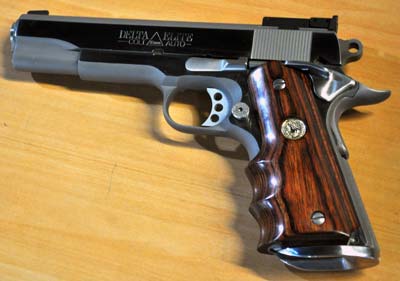
• Pistol buyers choose primarily between compact carry models, full-size duty handguns, and competition-ready pistols based on intended use.
• Every retail purchase from a licensed dealer requires ATF Form 4473 and a NICS background check before the firearm can be transferred.
• Inventory variety, transparent pricing, and documented provenance are the factors that most distinguish one dealer from another.
Shopping for a handgun means weighing caliber, frame size, and intended use against the paperwork and legal steps required before any transfer can be completed. A buyer who wants a reliable pistol for personal protection has different priorities than one hunting for a documented collectible, and understanding that distinction early saves time at the counter.
Anyone looking to buy pistols in the Dallas, TX area should understand that the purchasing process involves both personal considerations and applicable legal requirements. Those researching Buy Pistols Dallas TX should prioritize working with a federally licensed dealer who follows required background-check procedures, maintains proper documentation, and handles firearm transfers in accordance with federal and Texas laws. Understanding these requirements helps ensure a responsible and legally compliant transaction.
What Drives the Decision to Buy a Pistol
Most buyers fall into one of a few categories, and the category usually determines which features matter most.
• Personal defense : Compact or subcompact frames chosen for concealability and quick draw.
• Duty or range use : Full-size handguns valued for capacity, recoil control, and durability.
• Competition shooting : Models tuned for trigger feel, sight configuration, and consistency.
• Collecting : Firearms chosen for historical significance, maker, or documented provenance rather than daily carry.
A dealer that stocks across these categories gives buyers room to compare rather than settling for whatever is on the shelf that week. One Dallas-area retailer’s inventory notes reflect this spread, describing a rotating selection that covers compact carry pistols, full-size duty handguns, and competition-ready models.
The Legal Process Behind Every Purchase
Buying from a licensed dealer in the United States follows a fixed federal sequence, regardless of which pistol a buyer ultimately chooses.
1. The buyer presents valid government-issued identification.
2. The buyer completes ATF Form 4473, the Firearms Transaction Record, answering eligibility questions under penalty of law.
3. The dealer initiates a NICS background check by phone or computer.
4. A completed check clears, delays, or denies the transfer before the firearm changes hands.
The National Instant Criminal Background Check System was created under the Brady Handgun Violence Prevention Act of 1993 to prevent firearm sales to people prohibited under the Act. For handgun transactions specifically, the purchaser must be a resident of the state where the FFL is located, which is a key difference from long-gun purchases that out-of-state residents can sometimes complete. Buyers can review the current rules directly through the ATF’s Form 4473 guidance, which outlines recent revisions to the form and its sections.
Comparing Pistol Categories by Buyer Intent
| Category | Typical Buyer Goal | Key Features to Compare |
| Compact carry | Concealed personal protection | Size, weight, trigger safety |
| Full-size duty | Range training, home defense | Capacity, recoil control, sight options |
| Competition | Precision shooting sports | Trigger tuning, grip ergonomics, optics compatibility |
| Collectible | Historical or investment value | Documentation, maker, condition, rarity |
Buyers researching Dallas, TX options should treat this table as a starting point, not a final answer, since individual state and local regulations can affect what documentation is required at purchase.
What Separates One Dealer From Another
Beyond inventory, a few practical factors separate a dependable seller from a marginal one.
• Verifiable Federal Firearms License status, confirmed before any transaction.
• Transparent, itemized pricing with no hidden transfer fees.
• Clear condition reporting on used or collectible firearms.
• Consistent recordkeeping that protects both buyer and seller if a question arises later.
A business based in the USA that serves customers across Dallas, TX typically demonstrates this reliability through consistent policies applied the same way to every transaction, whether the buyer is local or shipping a firearm in from another state. Collectors Firearms operates as one such dealer, maintaining a documented FFL status alongside a stocked selection of new, used, and collectible handguns.
Frequently Asked Questions
Does every pistol purchase require a background check? Yes. Any transfer from a licensed dealer requires a completed Form 4473 and a NICS check before the firearm leaves the store, with limited state-level permit exemptions.
Can an out-of-state resident buy a handgun from a Texas dealer? Generally no. Federal rules require handgun buyers to be residents of the state where the FFL is located, unlike rifle and shotgun purchases.
How long is an approved background check valid? An approved NICS check is valid for 30 calendar days from the date it clears, after which a new check is required for any new transaction.
What should a first-time buyer bring to the store? Valid government-issued photo identification is required, and buyers should expect to answer detailed eligibility questions in person before any transfer proceeds.
Final Notes on Comparing Options
Choosing between compact, full-size, competition, and collectible pistols comes down to matching the firearm’s design to its intended use, then confirming the dealer handles the required federal paperwork without shortcuts. Published details for Collectors Firearms outline inventory and service information relevant to buyers in the area.