Key point:
- Embroidered logos are stitched directly into the fabric, which helps them resist the fading, cracking, and peeling that can affect printed designs over repeated washes.
- Clean results depend on digitizing, the process of converting artwork into a stitch file sized for a specific garment and placement.
- Thread colors, stitch counts, and logo placement can be matched to each garment type rather than forcing one design onto every item.
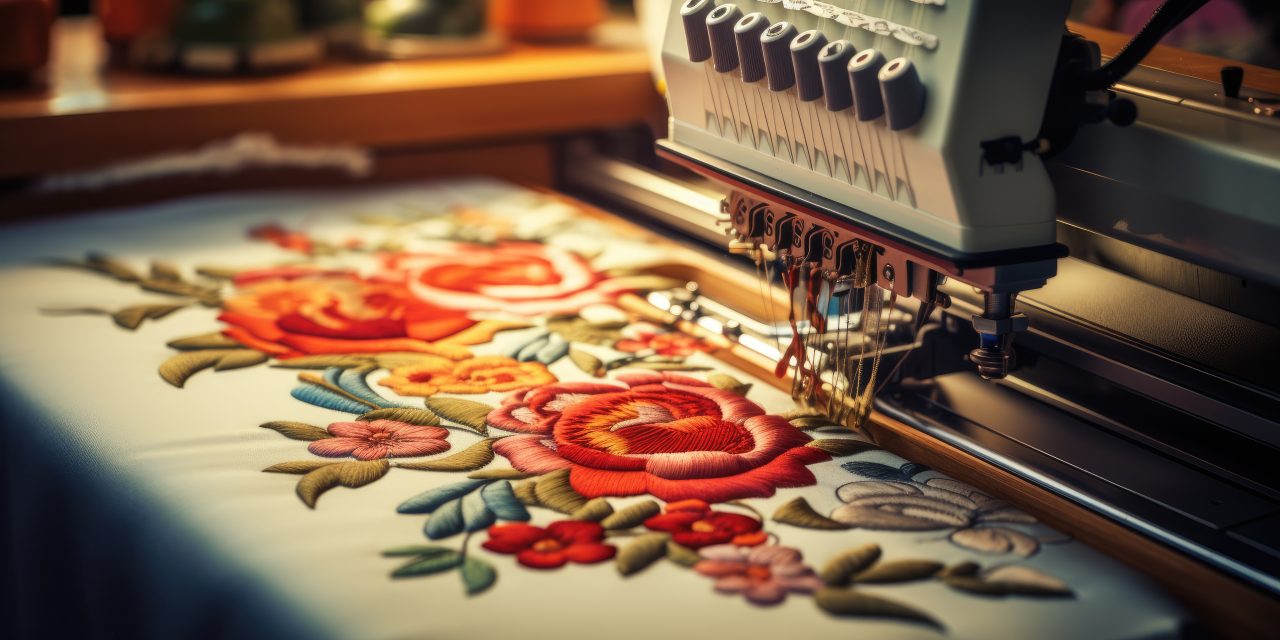
Custom embroidery reproduces a logo or design with thread stitched into the garment itself, giving it a raised texture and a level of durability that surface prints typically cannot match. This distinction matters most for uniforms, polos, jackets, and hats that are worn and washed frequently.
Printed decorations sit on top of the fabric, and depending on the ink and method used, they may fade, crack, or peel after repeated laundering. Embroidery becomes part of the garment, which is why it is a common choice for workwear that needs to look consistent over months and years of use. custom embroidery DFW services from KT Apparel cover shirts, hats, jackets, and patches, allowing businesses, schools, and organizations to apply their logos with precise, durable stitching. This approach supports a professional appearance while keeping branding consistent across different garment styles.
Why Digitizing Determines the Final Result
Embroidery machines cannot read a standard logo file directly, so artwork must first be converted into a stitch file that maps every needle movement.
- Lettering should generally be at least a quarter inch tall, since smaller text can fill in and lose legibility once stitched.
- Very thin lines and tiny details may need to be simplified, because thread has a minimum width it can reproduce cleanly.
- Designs should be digitized at the size they will actually be stitched, since resizing a finished stitch file can distort the result.
According to Melco’s Embroidery Design Guidelines, simpler artwork produces cleaner embroidery, and lettering should generally be kept at a minimum of 0.25 inches high to remain readable, especially on hats, where the surface is curved and a seam often runs down the center front. The guide also recommends limiting the number of thread colors and avoiding large filled backgrounds, which consume stitch count and raise costs. This reinforces the importance of preparing artwork specifically for embroidery rather than submitting a logo designed only for print or screen use.
Choosing Logo Placement Based on the Garment
Placement affects both visibility and how well a design stitches, and each garment type comes with its own practical size range.
Placement |
Typical Use |
Sizing Consideration |
|
Left chest (polos and button-downs) |
Staff uniforms and professional workwear |
Front logos commonly run about 2.5 to 4 inches wide |
|
Hat front |
Branded caps for teams, events, and employees |
Curved panel and center seam call for bold, simplified lettering |
|
Jacket back or sleeve |
Larger statement logos on outerwear |
Allows a bigger design but increases stitch count and cost |
Left-chest logos remain the most common placement for business apparel, since they read clearly at conversational distance without overwhelming the garment. Hat embroidery requires additional planning, as the structured front panel and seam affect how lettering and fine details appear. Larger placements on jacket backs offer more visibility but typically involve higher stitch counts, which can influence pricing and production time.
Matching Thread, Fabric, and Design to the Purpose
Beyond placement, a custom approach allows thread and design choices to reflect how the garment will actually be worn rather than applying a one-size-fits-all logo file.
1. Uniforms worn daily benefit from simple, bold designs that hold up well to frequent laundering.
2. Lightweight or stretchy fabrics may need stabilizing backings and lower-density stitching to help prevent puckering.
3. Embroidered patches can be a practical option when a design needs a defined border or will be applied to a variety of items.
KT Apparel, located in Keller, TX, provides custom embroidery for businesses, schools, teams, and organizations throughout the Dallas-Fort Worth area, where companies across industries rely on embroidered polos, hats, and jackets to keep their branding consistent across employees, crews, and locations.
Frequently Asked Questions
Is embroidery more durable than printing for work uniforms? Generally, yes; because the thread is stitched into the fabric, embroidered logos are less prone to fading, cracking, or peeling over repeated washes, which makes them well suited to uniforms worn every day.
Can any logo be embroidered? Most logos can be embroidered, although designs with gradients, very small text, or thin lines often need to be simplified during digitizing to stitch cleanly.
Why does hat embroidery require different artwork than shirt embroidery? Hat fronts are curved and often have a center seam, so lettering usually needs to be bolder and slightly larger than it would be on a flat garment such as a polo.
How long does a custom embroidery order typically take? Turnaround depends on order volume and design complexity; KT Apparel notes that standard embroidery orders typically take approximately 5 to 7 business days.
Next Steps for Branded Apparel Planning
Looking for custom embroidery in DFW? Contact KT Apparel to explore embroidered shirts, hats, jackets, and patches designed to represent your business, team, or organization with a professional, long-lasting finish.