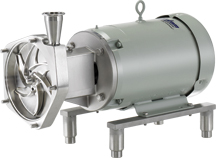
New England’s long heating season puts steady demands on homes, commercial buildings, and institutional facilities. When comparing circulation equipment for a heating project, decision-makers may search for Wilo pump Massachusetts to explore options suited to their system’s needs.
Why circulation matters
In a hydronic heating system, a pump moves heated water through pipes to radiators, baseboards, or other heat emitters, then helps return cooler water to the boiler. If circulation is inconsistent, some rooms may warm slowly or unevenly, while the heating equipment may run longer than necessary. A properly selected pump helps maintain the flow the system requires, supporting comfort and dependable operation during cold snaps.
Regional conditions make thoughtful equipment choices especially important. A system serving a coastal property may face different building conditions from one in a large inland home or a busy commercial facility. Building size, insulation, piping layout, heat source, and the number of heating zones all influence the flow and pressure requirements. The right pump is not simply the largest available; it is one that matches the design.
Choosing a pump for the system
Before replacing or specifying a pump, confirm the system’s requirements with a qualified heating professional. Useful details include the type of boiler, the number of zones, the pipe configuration, and the existing pump’s performance. A technician can calculate the required flow and head—the resistance the pump must overcome—and check that the selected model works with the system’s controls and electrical supply.
Modern circulation pumps may offer variable-speed operation or controls that adjust output as demand changes. In a system designed for those features, this can help match circulation to changing heating needs and reduce unnecessary pumping. Compatibility matters, however: installing a new pump without checking the system may lead to noise, poor heat distribution, or disappointing efficiency.
Installation and maintenance support reliability
Even well-chosen equipment depends on correct installation. The pump should be positioned and connected according to manufacturer guidance, with attention to flow direction, wiring, isolation valves, and air removal. Trapped air, restricted pipes, incorrect settings, or an unsuitable pump can undermine performance. A professional should also verify circulation and confirm that heat reaches each zone as expected.
Regular checks can help identify developing problems before they interrupt heating. Watch for unusual humming, rattling, leaks, repeated air in the system, or rooms that take longer than usual to warm. These symptoms do not always mean the pump has failed; controls, valves, air, and boiler issues can produce similar signs. Prompt diagnosis helps avoid unnecessary replacement and can protect connected equipment.
For property owners, it is useful to keep records of the pump model, installation date, system settings, and service visits. Before the heating season, ask a technician to inspect the system, test controls, and address any circulation concerns. For larger buildings, planned maintenance can help reduce the risk of an unexpected outage when outdoor temperatures drop.
Reliable heating across New England depends on more than a single component. Matching the pump to the building and hydronic system, installing it correctly, and maintaining the full setup all contribute to consistent comfort. With informed selection and timely professional service, circulation equipment can help heating systems operate dependably through the region’s demanding winters.